
 chipmunkexpeditions@gmail.com
 +255 628 030 877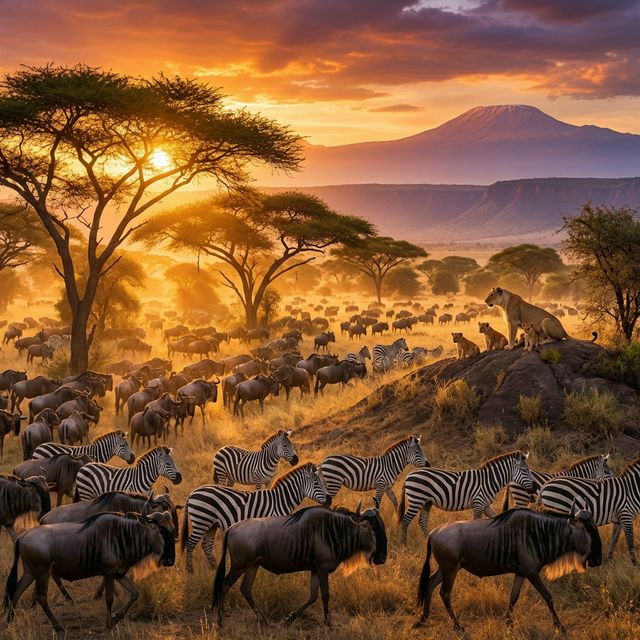


Welcome to the ultimate guide on Best Serengeti Safari Lodges and Camps. When planning a journey to Africa, gathering expert, up-to-date information is the difference between a good trip and the trip of a lifetime. Read on to discover all the essential details compiled by our Safari Experts.
The Magic of the Serengeti Plains
The Serengeti is arguably the most famous wildlife sanctuary in the world, and for good reason. Covering roughly 14,763 square kilometers, its name is derived from the Maasai word 'Siringet,' meaning 'endless plains'. And endless they truly are. The vast, sweeping grasslands dotted with flat-topped acacia trees are the quintessence of the African landscape. It is here that nature's greatest spectacles unfold daily, untamed and unscripted. It's a place where the horizon stretches infinitely, and the circle of life plays out in its most primal, raw form.
The Great Migration Explained
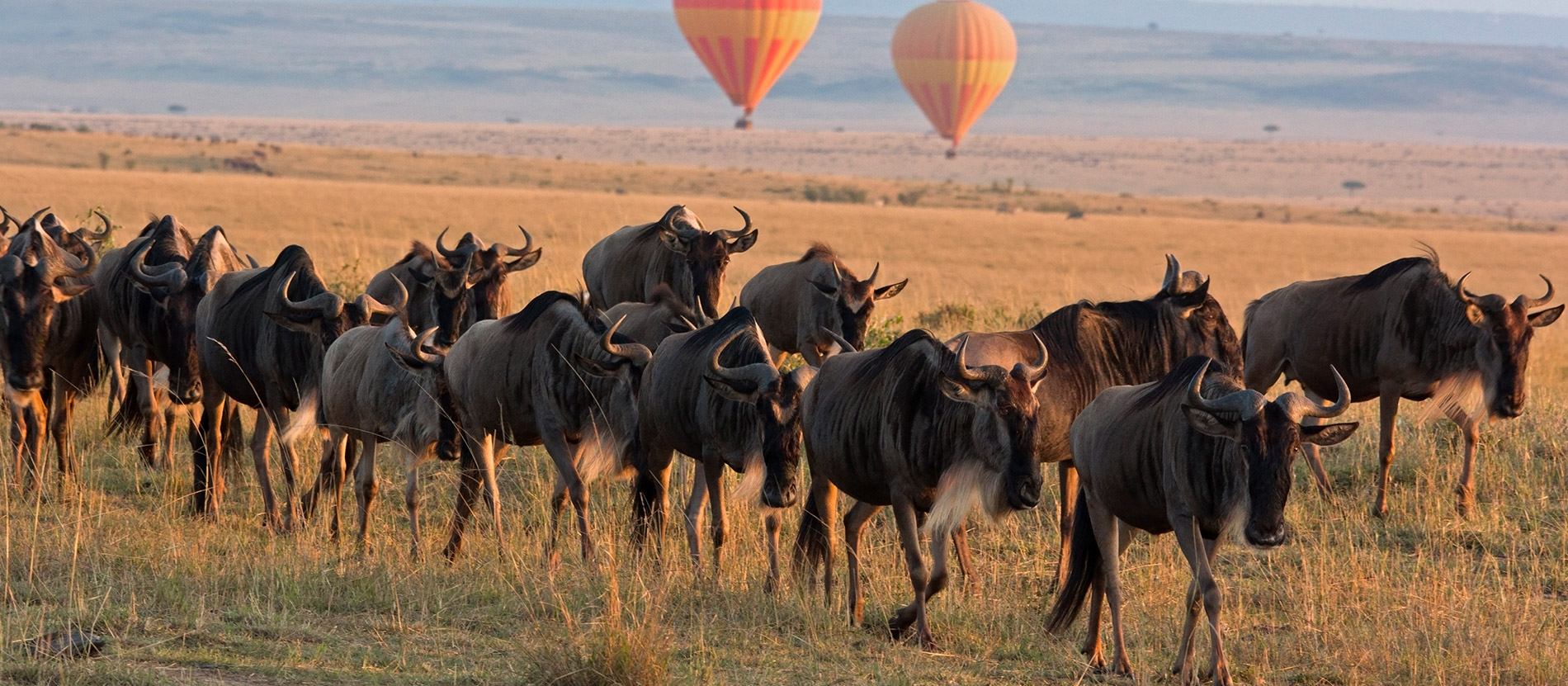
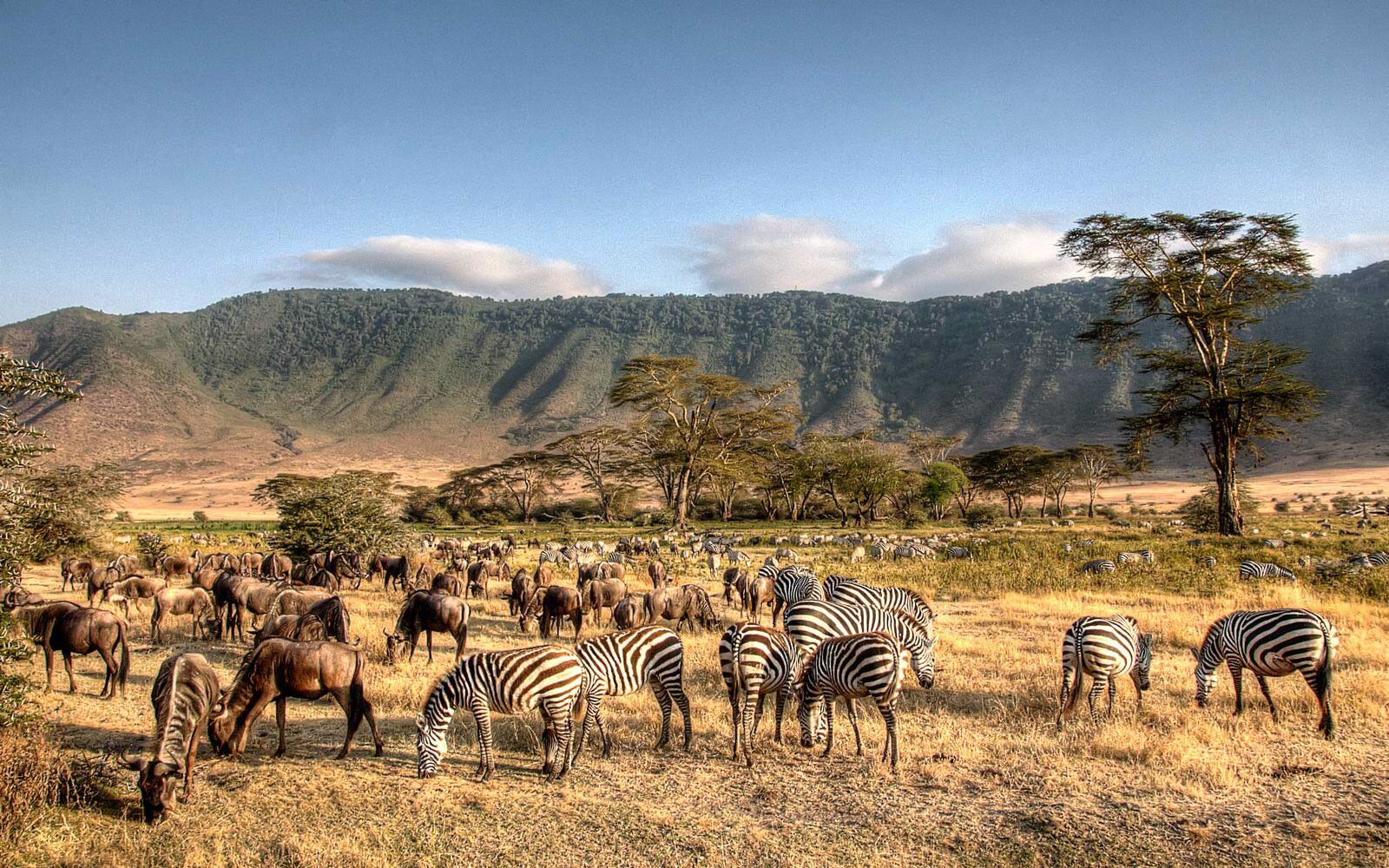
One cannot speak of the Serengeti without mentioning the Great Wildebeest Migration. This continuous, year-round circular journey of over 1.5 million wildebeest, accompanied by hundreds of thousands of zebras and gazelles, is driven entirely by the search for water and fresh pasture. It is not a single event, but a constant migration dictated by seasonal rains. From the synchronized birthing of half a million calves in the southern Ndutu plains in February to the perilous, crocodile-infested river crossings in the north around July and August, the migration is a dynamic, awe-inspiring phenomenon.
Abundant Predator Action
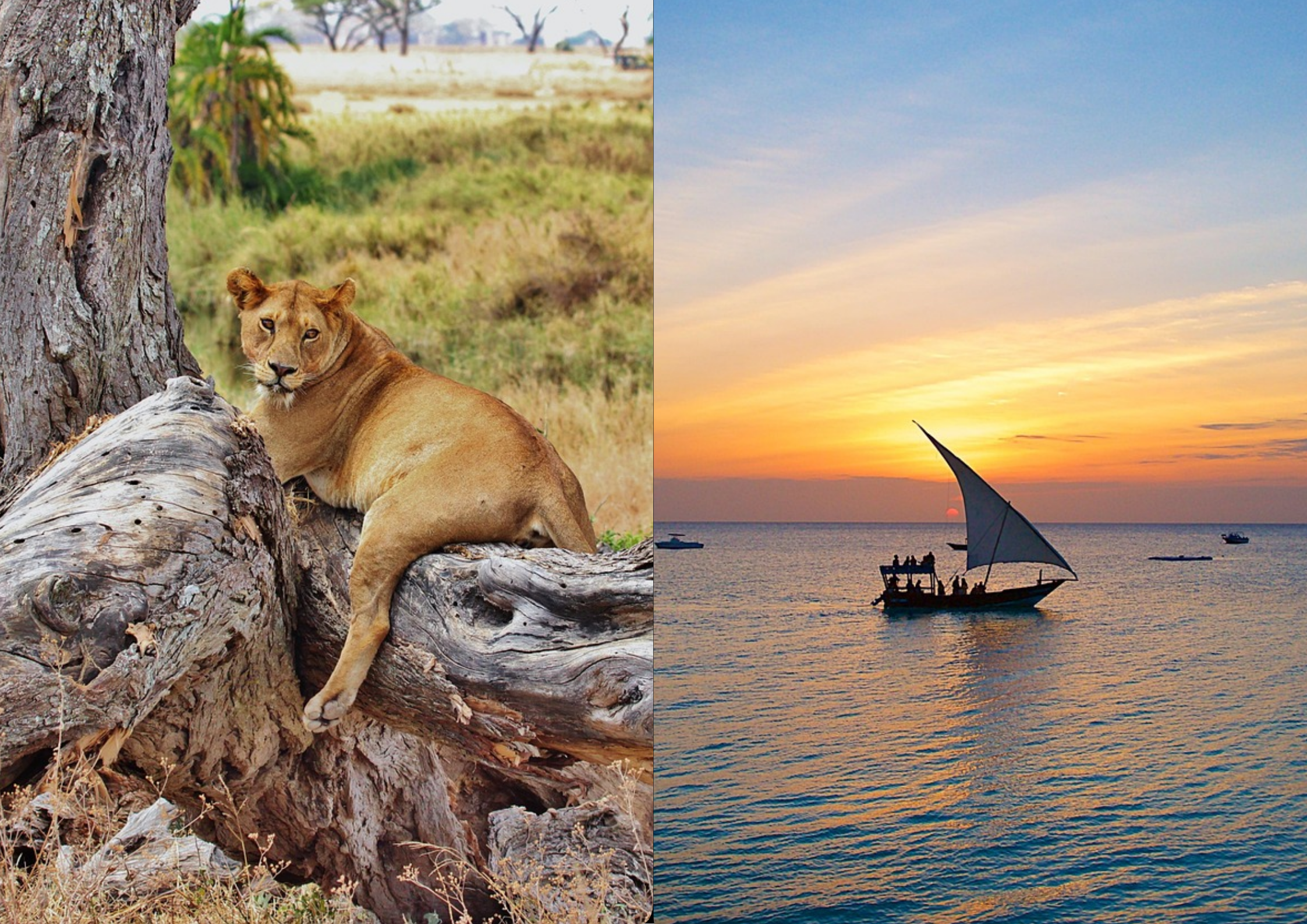
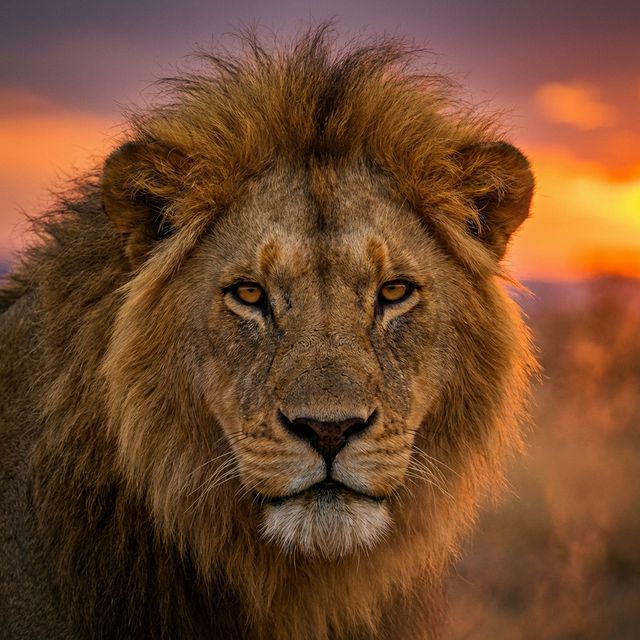
Where there is prey, there are predators. The Serengeti boasts one of the highest concentrations of large predators in the world. Prides of lions rule the plains, often seen lazily resting on kopjes (granite outcroppings) that serve as perfect vantage points. Elusive leopards drape themselves over the branches of sausage trees along the Seronera River, while cheetahs, the fastest land mammals, rely on the short grass plains to launch blistering, high-speed pursuits. The drama of the hunt is a common sight in the Serengeti, offering thrilling moments for wildlife enthusiasts and photographers alike.
Exploring the Seronera Valley
The central region of the Serengeti, known as the Seronera Valley, is the heart of the park. It features a network of river valleys that provide a year-round water supply, attracting abundant resident wildlife even when the Great Migration has moved on. This area is particularly famous for its high density of leopards and lions. However, its popularity and accessibility mean it can get quite busy with safari vehicles. For those looking for consistent, spectacular game viewing regardless of the season, Seronera is a mandatory stop on any Serengeti itinerary.
The Remote Northern Serengeti
The northern reaches of the Serengeti, bordering Kenya's Masai Mara, offer a vastly different landscape marked by rolling hills and dense woodlands. This area is the stage for the dramatic Mara River crossings, where herds must brave treacherous waters and giant Nile crocodiles to reach greener pastures. Beyond the migration, the north is remote, less crowded, and offers an exclusive safari experience. The resident wildlife is plentiful, and the sheer wildness of the area makes it a favorite among seasoned safari-goers seeking an escape from the busier central regions.
Avian Wonders of the Park
While the megafauna steals the spotlight, the Serengeti is also a paradise for birdwatchers, boasting over 500 avian species. From the massive ostrich and the peculiar secretary bird striding across the plains to the vividly colored lilac-breasted roller and the massive martial eagle soaring overhead, the birdlife is spectacular. The Ndutu area is particularly noted for its variety of bird species, and the sight of thousands of flamingos gathering at the alkaline lakes is breathtaking. A good pair of binoculars is essential for appreciating this often-overlooked aspect of the Serengeti ecosystem.
The Role of Conservation
The preservation of the Serengeti ecosystem is a monumental task that requires ongoing effort and funding. The park faces challenges from poaching, human-wildlife conflict, and the impacts of climate change. By visiting the park and paying entrance fees, tourists directly contribute to conservation efforts and the protection of this UNESCO World Heritage Site. Many lodges and operators also partake in community outreach and anti-poaching initiatives, demonstrating that sustainable tourism is vital for the long-term survival of the Serengeti and its magnificent inhabitants.
Concluding Your Serengeti Adventure
A safari in the Serengeti is not just a vacation; it is a profound journey into the heart of the wild. The memories forged here—the sound of a lion roaring in the dead of night, the sight of a million wildebeest moving as one, the dramatic colors of a true African sunset—are indelible. It is a place that humbles you, reminding you of the vast, ancient world that exists beyond our modern cities. Leaving the Serengeti, you carry with you a piece of its endless spirit, forever calling you back.
Deep Dive: Important Considerations Part 1
When exploring topics like Best Serengeti Safari Lodges and Camps, it is crucial to continually assess all variables. The landscape of travel in East Africa is dynamic, with seasonal shifts changing the accessibility and appeal of varying regions. For instance, the transition from the dry season to the green season fundamentally alters wildlife behavior, as herds disperse to take advantage of newfound water sources. This dispersion means that the density of wildlife in specific areas drops, but it also transforms the dry, dusty plains into a lush, vibrant green paradise, offering a completely different, yet equally beautiful, aesthetic. This period is also characterized by the dramatic birthing season, where thousands of young animals are introduced to the wilderness, setting the stage for gripping predator-prey interactions. The skies during the green season are highly dramatic, filled with towering cumulonimbus clouds that provide phenomenal backdrops for photography. Furthermore, the absence of peak season crowds means that you often have these incredible sightings entirely to yourself, fostering a deeply intimate connection with nature. Furthermore, the economic advantage of traveling outside of the peak months cannot be overstated, as many premium lodges offer significant reductions in their rates, making exclusive properties more accessible. It is these nuanced considerations that transform a standard trip into a masterfully orchestrated adventure.
Expert Advice and Pro Tips 1
Drawing from extensive field experience regarding Best Serengeti Safari Lodges and Camps, practical preparation ensures smooth execution. One of the most common mistakes travelers make is overpacking, specifically bringing overly heavy or brightly colored clothing. The ideal safari wardrobe consists of lightweight, breathable fabrics in neutral tones such as khaki, green, or brown, which help blend into the environment and do not attract tsetse flies like dark blue or black fabrics do. Layering is key, as early morning game drives can be surprisingly chilly, while midday temperatures soar. Another pro tip involves photography. While smartphones have excellent cameras for static, wide-angle shots, capturing wildlife in detail often requires a dedicated camera with a telephoto lens (at least 300mm). Keeping your gear protected from the omnipresent dust is also essential; bringing a simple pillowcase or a dedicated dust cover for your camera can save your equipment. Mentally, the best preparation is to cultivate patience. Nature operates on its own schedule. You may spend hours waiting by a riverbank for a crossing that never happens, only to stumble upon a leopard hunting mere feet from the road minutes later. Embracing the unpredictability of the bush is the true essence of an authentic safari experience.
Deep Dive: Important Considerations Part 2
When exploring topics like Best Serengeti Safari Lodges and Camps, it is crucial to continually assess all variables. The landscape of travel in East Africa is dynamic, with seasonal shifts changing the accessibility and appeal of varying regions. For instance, the transition from the dry season to the green season fundamentally alters wildlife behavior, as herds disperse to take advantage of newfound water sources. This dispersion means that the density of wildlife in specific areas drops, but it also transforms the dry, dusty plains into a lush, vibrant green paradise, offering a completely different, yet equally beautiful, aesthetic. This period is also characterized by the dramatic birthing season, where thousands of young animals are introduced to the wilderness, setting the stage for gripping predator-prey interactions. The skies during the green season are highly dramatic, filled with towering cumulonimbus clouds that provide phenomenal backdrops for photography. Furthermore, the absence of peak season crowds means that you often have these incredible sightings entirely to yourself, fostering a deeply intimate connection with nature. Furthermore, the economic advantage of traveling outside of the peak months cannot be overstated, as many premium lodges offer significant reductions in their rates, making exclusive properties more accessible. It is these nuanced considerations that transform a standard trip into a masterfully orchestrated adventure.
Expert Advice and Pro Tips 2
Drawing from extensive field experience regarding Best Serengeti Safari Lodges and Camps, practical preparation ensures smooth execution. One of the most common mistakes travelers make is overpacking, specifically bringing overly heavy or brightly colored clothing. The ideal safari wardrobe consists of lightweight, breathable fabrics in neutral tones such as khaki, green, or brown, which help blend into the environment and do not attract tsetse flies like dark blue or black fabrics do. Layering is key, as early morning game drives can be surprisingly chilly, while midday temperatures soar. Another pro tip involves photography. While smartphones have excellent cameras for static, wide-angle shots, capturing wildlife in detail often requires a dedicated camera with a telephoto lens (at least 300mm). Keeping your gear protected from the omnipresent dust is also essential; bringing a simple pillowcase or a dedicated dust cover for your camera can save your equipment. Mentally, the best preparation is to cultivate patience. Nature operates on its own schedule. You may spend hours waiting by a riverbank for a crossing that never happens, only to stumble upon a leopard hunting mere feet from the road minutes later. Embracing the unpredictability of the bush is the true essence of an authentic safari experience.
Deep Dive: Important Considerations Part 3
When exploring topics like Best Serengeti Safari Lodges and Camps, it is crucial to continually assess all variables. The landscape of travel in East Africa is dynamic, with seasonal shifts changing the accessibility and appeal of varying regions. For instance, the transition from the dry season to the green season fundamentally alters wildlife behavior, as herds disperse to take advantage of newfound water sources. This dispersion means that the density of wildlife in specific areas drops, but it also transforms the dry, dusty plains into a lush, vibrant green paradise, offering a completely different, yet equally beautiful, aesthetic. This period is also characterized by the dramatic birthing season, where thousands of young animals are introduced to the wilderness, setting the stage for gripping predator-prey interactions. The skies during the green season are highly dramatic, filled with towering cumulonimbus clouds that provide phenomenal backdrops for photography. Furthermore, the absence of peak season crowds means that you often have these incredible sightings entirely to yourself, fostering a deeply intimate connection with nature. Furthermore, the economic advantage of traveling outside of the peak months cannot be overstated, as many premium lodges offer significant reductions in their rates, making exclusive properties more accessible. It is these nuanced considerations that transform a standard trip into a masterfully orchestrated adventure.
Expert Advice and Pro Tips 3
Drawing from extensive field experience regarding Best Serengeti Safari Lodges and Camps, practical preparation ensures smooth execution. One of the most common mistakes travelers make is overpacking, specifically bringing overly heavy or brightly colored clothing. The ideal safari wardrobe consists of lightweight, breathable fabrics in neutral tones such as khaki, green, or brown, which help blend into the environment and do not attract tsetse flies like dark blue or black fabrics do. Layering is key, as early morning game drives can be surprisingly chilly, while midday temperatures soar. Another pro tip involves photography. While smartphones have excellent cameras for static, wide-angle shots, capturing wildlife in detail often requires a dedicated camera with a telephoto lens (at least 300mm). Keeping your gear protected from the omnipresent dust is also essential; bringing a simple pillowcase or a dedicated dust cover for your camera can save your equipment. Mentally, the best preparation is to cultivate patience. Nature operates on its own schedule. You may spend hours waiting by a riverbank for a crossing that never happens, only to stumble upon a leopard hunting mere feet from the road minutes later. Embracing the unpredictability of the bush is the true essence of an authentic safari experience.
Deep Dive: Important Considerations Part 4
When exploring topics like Best Serengeti Safari Lodges and Camps, it is crucial to continually assess all variables. The landscape of travel in East Africa is dynamic, with seasonal shifts changing the accessibility and appeal of varying regions. For instance, the transition from the dry season to the green season fundamentally alters wildlife behavior, as herds disperse to take advantage of newfound water sources. This dispersion means that the density of wildlife in specific areas drops, but it also transforms the dry, dusty plains into a lush, vibrant green paradise, offering a completely different, yet equally beautiful, aesthetic. This period is also characterized by the dramatic birthing season, where thousands of young animals are introduced to the wilderness, setting the stage for gripping predator-prey interactions. The skies during the green season are highly dramatic, filled with towering cumulonimbus clouds that provide phenomenal backdrops for photography. Furthermore, the absence of peak season crowds means that you often have these incredible sightings entirely to yourself, fostering a deeply intimate connection with nature. Furthermore, the economic advantage of traveling outside of the peak months cannot be overstated, as many premium lodges offer significant reductions in their rates, making exclusive properties more accessible. It is these nuanced considerations that transform a standard trip into a masterfully orchestrated adventure.
Expert Advice and Pro Tips 4
Drawing from extensive field experience regarding Best Serengeti Safari Lodges and Camps, practical preparation ensures smooth execution. One of the most common mistakes travelers make is overpacking, specifically bringing overly heavy or brightly colored clothing. The ideal safari wardrobe consists of lightweight, breathable fabrics in neutral tones such as khaki, green, or brown, which help blend into the environment and do not attract tsetse flies like dark blue or black fabrics do. Layering is key, as early morning game drives can be surprisingly chilly, while midday temperatures soar. Another pro tip involves photography. While smartphones have excellent cameras for static, wide-angle shots, capturing wildlife in detail often requires a dedicated camera with a telephoto lens (at least 300mm). Keeping your gear protected from the omnipresent dust is also essential; bringing a simple pillowcase or a dedicated dust cover for your camera can save your equipment. Mentally, the best preparation is to cultivate patience. Nature operates on its own schedule. You may spend hours waiting by a riverbank for a crossing that never happens, only to stumble upon a leopard hunting mere feet from the road minutes later. Embracing the unpredictability of the bush is the true essence of an authentic safari experience.
Deep Dive: Important Considerations Part 5
When exploring topics like Best Serengeti Safari Lodges and Camps, it is crucial to continually assess all variables. The landscape of travel in East Africa is dynamic, with seasonal shifts changing the accessibility and appeal of varying regions. For instance, the transition from the dry season to the green season fundamentally alters wildlife behavior, as herds disperse to take advantage of newfound water sources. This dispersion means that the density of wildlife in specific areas drops, but it also transforms the dry, dusty plains into a lush, vibrant green paradise, offering a completely different, yet equally beautiful, aesthetic. This period is also characterized by the dramatic birthing season, where thousands of young animals are introduced to the wilderness, setting the stage for gripping predator-prey interactions. The skies during the green season are highly dramatic, filled with towering cumulonimbus clouds that provide phenomenal backdrops for photography. Furthermore, the absence of peak season crowds means that you often have these incredible sightings entirely to yourself, fostering a deeply intimate connection with nature. Furthermore, the economic advantage of traveling outside of the peak months cannot be overstated, as many premium lodges offer significant reductions in their rates, making exclusive properties more accessible. It is these nuanced considerations that transform a standard trip into a masterfully orchestrated adventure.
Expert Advice and Pro Tips 5
Drawing from extensive field experience regarding Best Serengeti Safari Lodges and Camps, practical preparation ensures smooth execution. One of the most common mistakes travelers make is overpacking, specifically bringing overly heavy or brightly colored clothing. The ideal safari wardrobe consists of lightweight, breathable fabrics in neutral tones such as khaki, green, or brown, which help blend into the environment and do not attract tsetse flies like dark blue or black fabrics do. Layering is key, as early morning game drives can be surprisingly chilly, while midday temperatures soar. Another pro tip involves photography. While smartphones have excellent cameras for static, wide-angle shots, capturing wildlife in detail often requires a dedicated camera with a telephoto lens (at least 300mm). Keeping your gear protected from the omnipresent dust is also essential; bringing a simple pillowcase or a dedicated dust cover for your camera can save your equipment. Mentally, the best preparation is to cultivate patience. Nature operates on its own schedule. You may spend hours waiting by a riverbank for a crossing that never happens, only to stumble upon a leopard hunting mere feet from the road minutes later. Embracing the unpredictability of the bush is the true essence of an authentic safari experience.

Ready to Experience Tanzania?
Let our experts design the perfect itinerary tailored to your exact preferences.