
 chipmunkexpeditions@gmail.com
 +255 628 030 877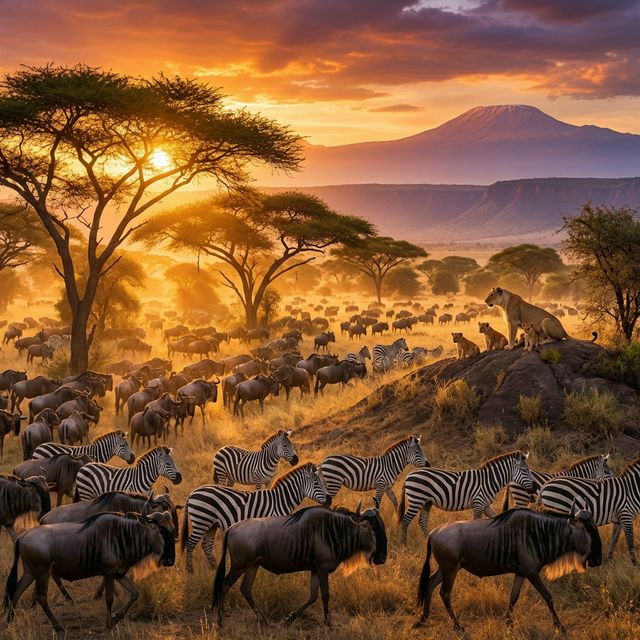

Travel is a Privilege, Not a Right: Our Philosophy
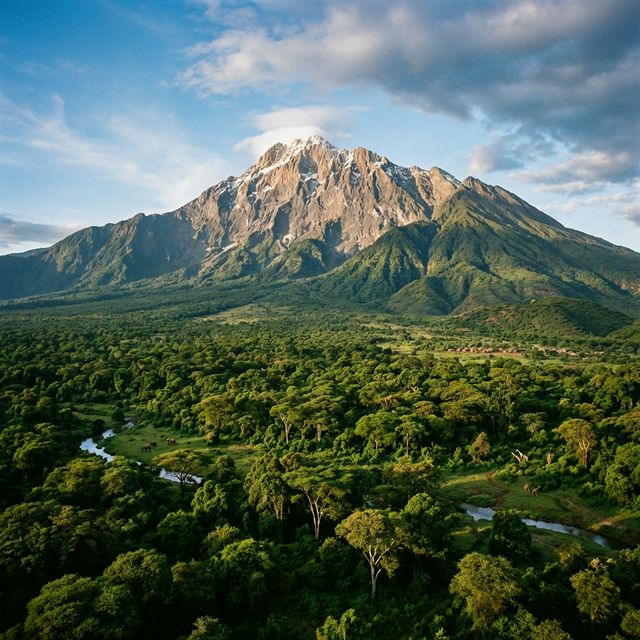
Tanzania is a land of fragile beauty, ancient cultures, and some of the world's most endangered ecosystems. At Chipmunk Expeditions, we believe that travel has the power to be a force for good—but only if managed with extreme care, local insight, and a long-term perspective. As visitors, we are not consumers of a destination; we are guests in a home that belongs to the wildlife and the local communities.
Being a "responsible traveler" isn't about restriction or sacrifice; it's about deeper, more meaningful engagement. By following these guidelines, you will find that your interactions with local people are more authentic, your wildlife sightings are more intimate, and your memories are untainted by the guilt of negative impact. This policy is our promise to Tanzania, and we invite you to be a part of it.
We don't just "leave no trace." We aim to leave a "positive trace." 10% of every booking goes directly toward our Arusha Education Fund and local reforestation projects in the Kilimanjaro foothills.
1. Cultural Sensitivity & Respectful Engagement
Tanzania is a diverse tapestry of over 120 ethnic groups, each with its own language, traditions, and social norms. While your guide will act as your cultural bridge, your individual actions define the reputation of international travelers.
- The Golden Rule of Dress: While beach resorts in Zanzibar allow for standard swimwear, the public streets of Stone Town and the rural villages around Kilimanjaro are conservative. It is respectful to keep shoulders and knees covered. Carrying a light "Khanga" (traditional wrap) is a practical and culturally appreciated way to cover up when entering a village.
- Public Etiquette: Loud behavior and highly romantic public displays of affection are generally discouraged. Tanzanian culture values "Adabu" (good manners) and a calm, polite demeanor.
- Hand Etiquette: The right hand is the hand of social grace. Always use it for handshakes, giving, or receiving. The left hand is traditionally reserved for personal hygiene and is considered impolite in social contexts.
- Photography with Consent: Imagine a stranger walking into your backyard and taking a photo of your children. It’s an intrusion. Always ask permission ("Naomba kupiga picha?") before photographing people. Many tribes, particularly the Maasai, expect a small fee for photos as this is their form of tourism income—your guide will manage this negotiation if you are on an official village visit.
2. Ethical Wildlife Viewing: Standards of Excellence
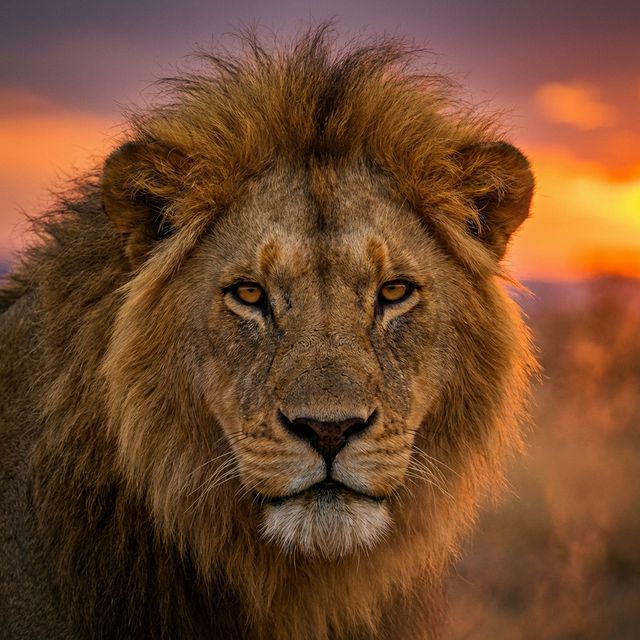
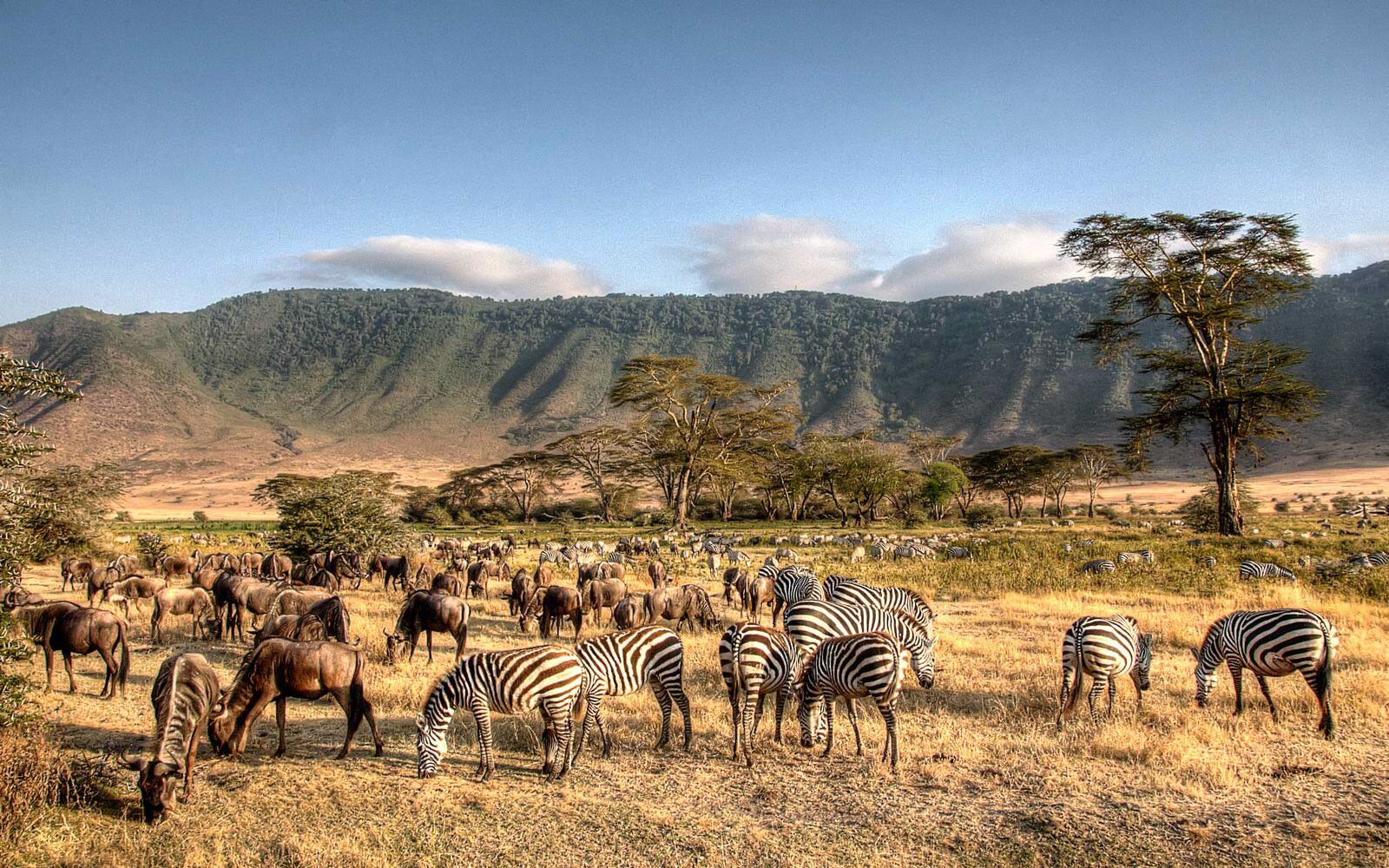
The excitement of seeing a lion hunt can tempt even the most seasoned traveler to push boundaries. However, our guides are strictly trained to adhere to the standards set by TANAPA (Tanzania National Parks) and the NCAA (Ngorongoro Conservation Area Authority).
A. The Buffer Zone
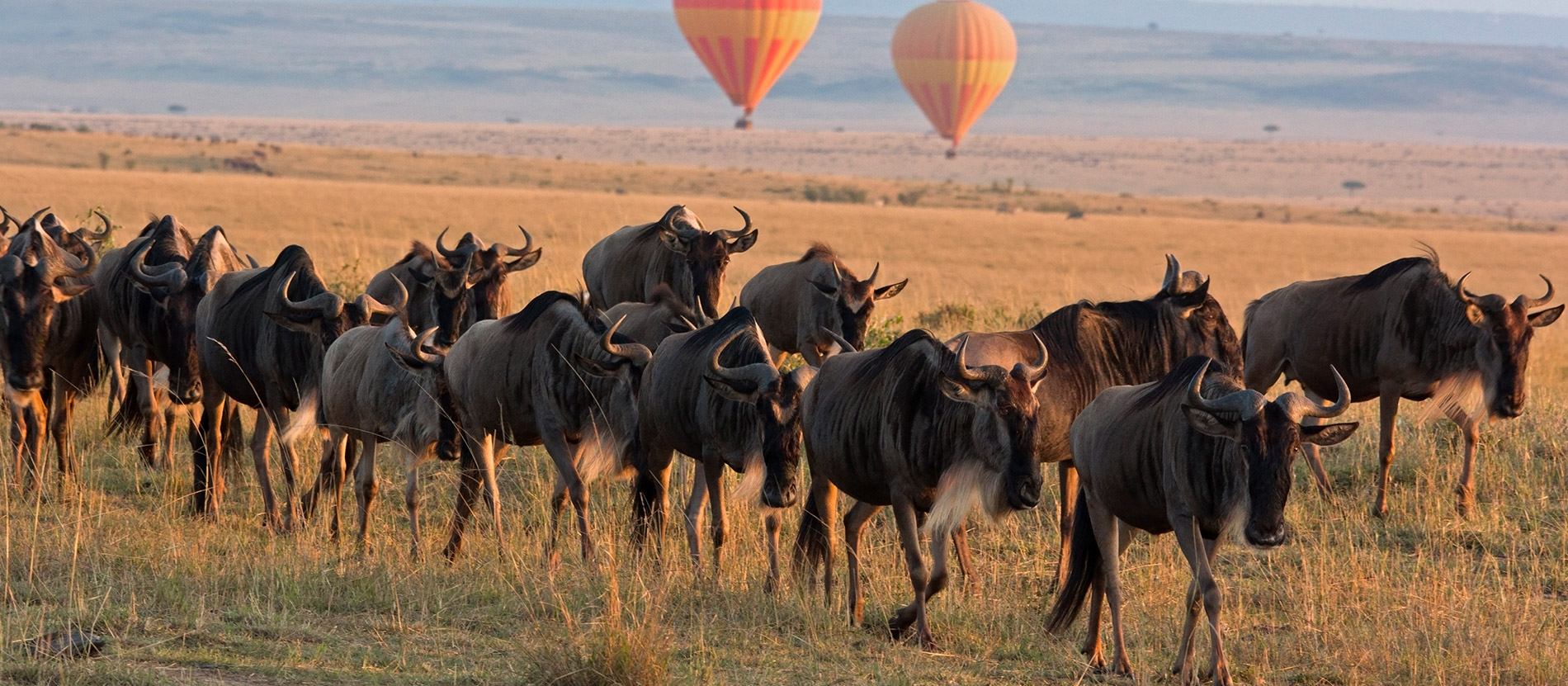
We maintain a minimum distance of 25 meters from all wildlife sightings. This is not just for your safety, but to ensure we don't disrupt an animal's natural behavior—be it hunting, mating, or nursing. If an animal shows signs of distress (ear twitching, puffing, or leaving the area), we will move away immediately.
B. The Silence Rule
Loud voices can frighten herbivores and alert prey to a predator's presence. We ask that conversations be kept to a whisper during sightings. This increases the chance of seeing authentic behavior rather than a startled retreat.
C. No Off-Roading
Except in specific private concessions where it is permitted and carefully managed, we never drive off the established tracks. Off-roading destroys the root systems of the fragile savannah grasses and kills small insects and reptiles essential to the ecosystem.
3. The "Plastic-Free Safari" Challenge
Tanzania was a global pioneer in banning single-use plastic bags. Since 2019, it has been illegal to bring plastic carrier bags into the country. We ask our guests to extend this spirit to other "travel plastics."
- Hydration: Chipmunk Expeditions provides unlimited purified water in large canisters. We provide every guest with a high-quality, refillable stainless steel bottle. Using this instead of buying single-use bottles from local shops prevents thousands of bottles from ending up in landfills.
- Toiletries: Consider switching to bar soaps and shampoos instead of plastic bottles. If you must bring bottles, please take the empties back home with you to your country's superior recycling facilities.
- Waste Management: If you pack it in, you pack it out. This applies to batteries, snack wrappers, and cigarette butts. Our vehicles are equipped with discreet waste bins for your convenience.
4. Digital Responsibility & Geotagging
Social media is a powerful tool for tourism, but it also presents a risk to endangered species.
Turn Off Geotagging
Poachers often use the metadata and geotags in social media photos to track the exact location of rhinos and elephants. Please disable location services on your camera app before entering the parks.
No "Wildlife Selfies"
We do not support or promote photos where travelers are touching or holding wild animals (even "rescued" ones). This fuels the illegal wildlife trade and habituates animals to human contact.
5. Supporting the Local Economy: The Right Way
Your spending power can transform lives. We advocate for "direct impact" tourism.
- Markets Over Malls: We encourage shopping at local markets for souvenirs. By buying a hand-carved Makonde mask or a Maasai blanket directly from the artist, you ensure the money stays in the community.
- The "Treat" Dilemma: We strictly discourage handing out sweets, coins, or pens to children on the street. While it feels kind, it encourages begging and can lead to children skipping school to meet tourist vehicles. If you wish to donate, we can arrange a visit to a local partner school where you can hand over supplies to the headteacher.
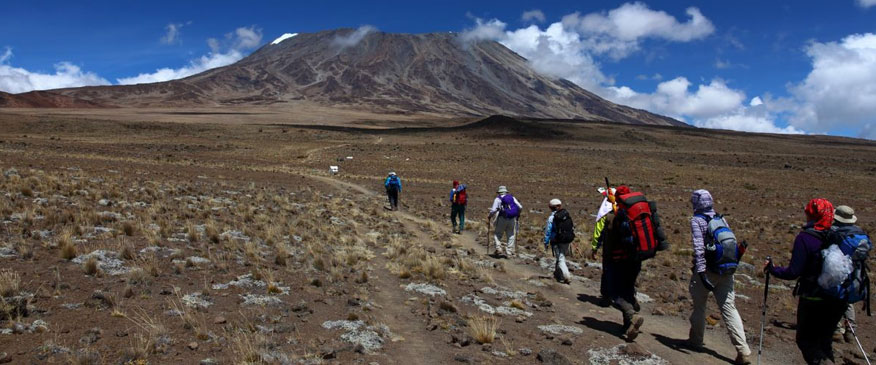
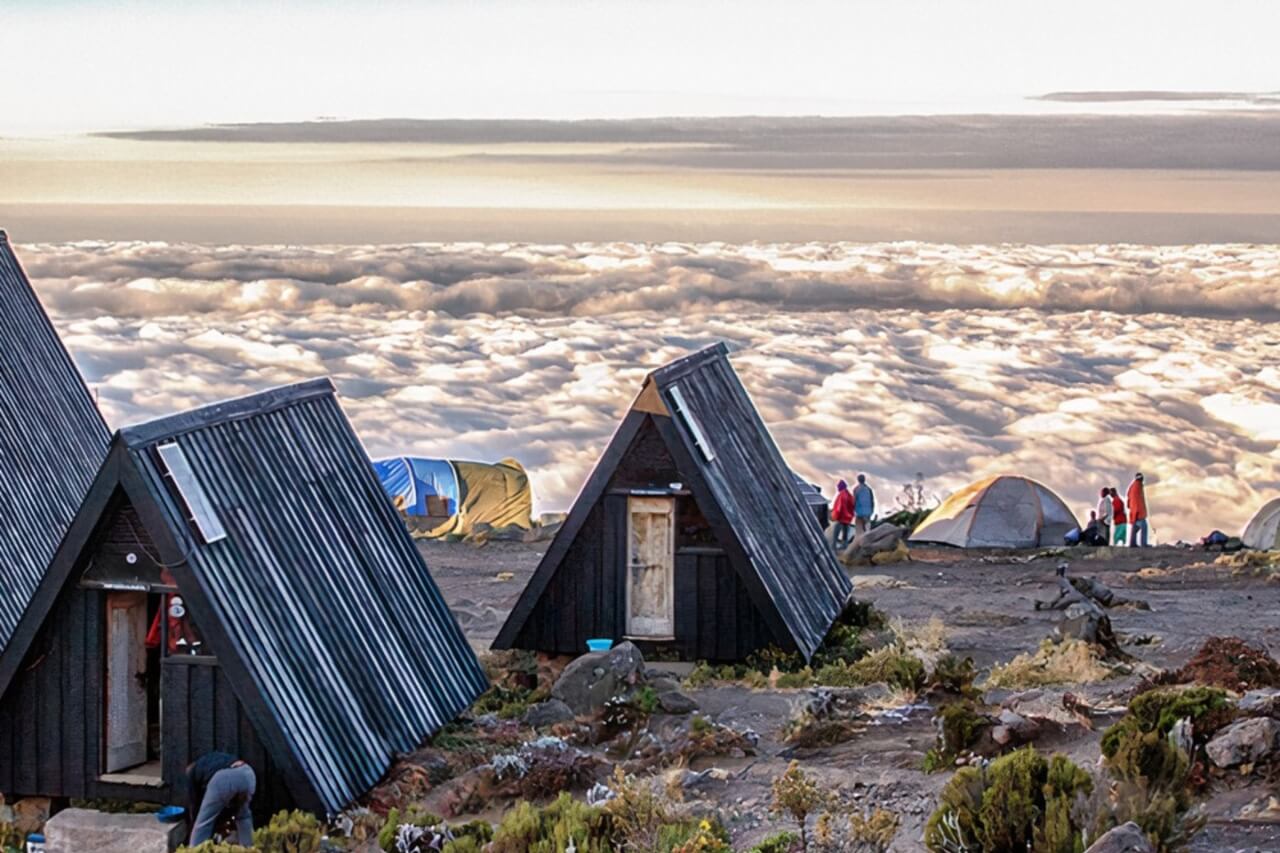
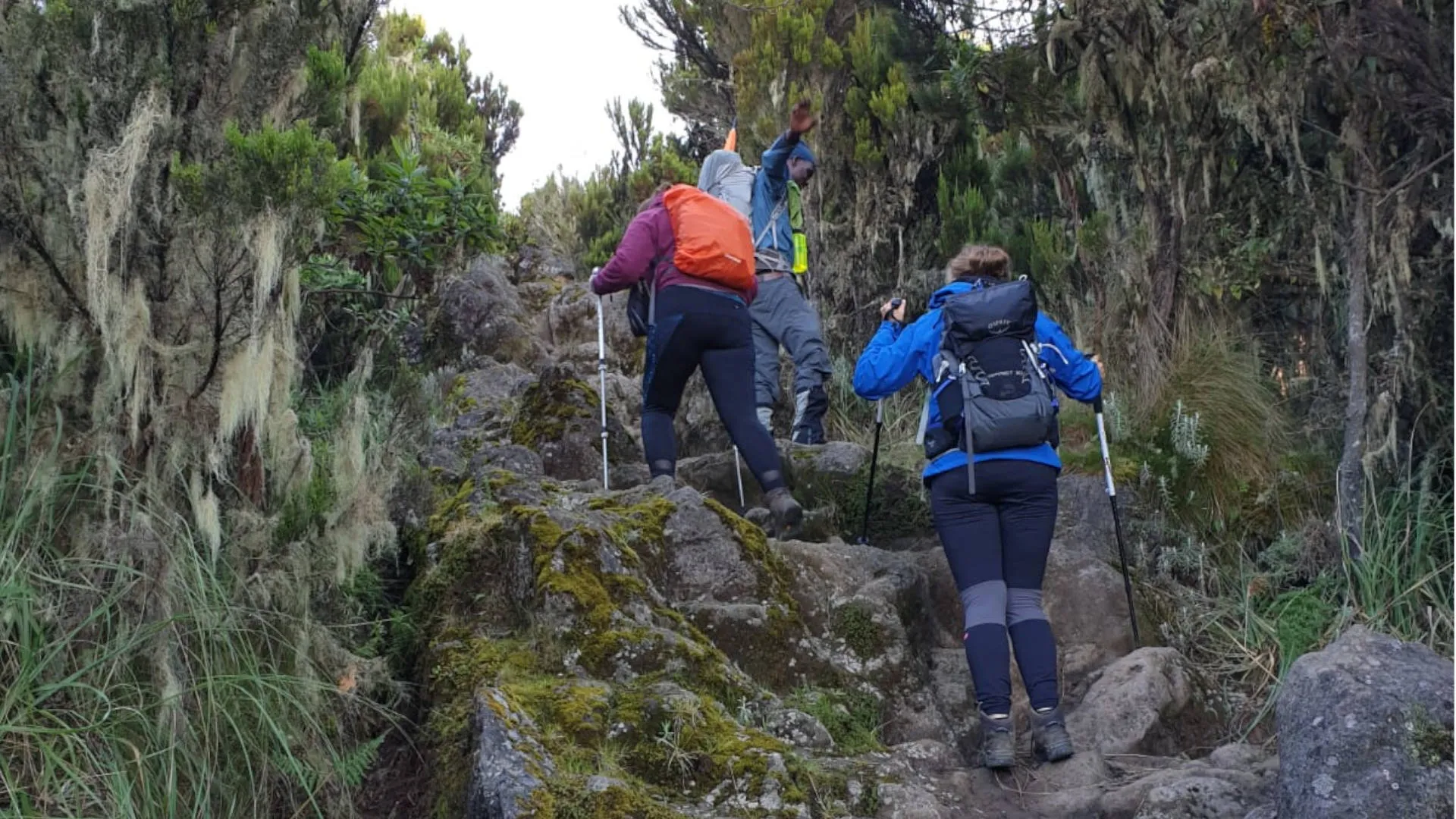
- Fair Wages for Porters: On Kilimanjaro, we are proud members of the Kilimanjaro Porters Assistance Project (KPAP). We ensure our porters have proper gear, fair wages, three meals a day, and a safe sleeping environment.
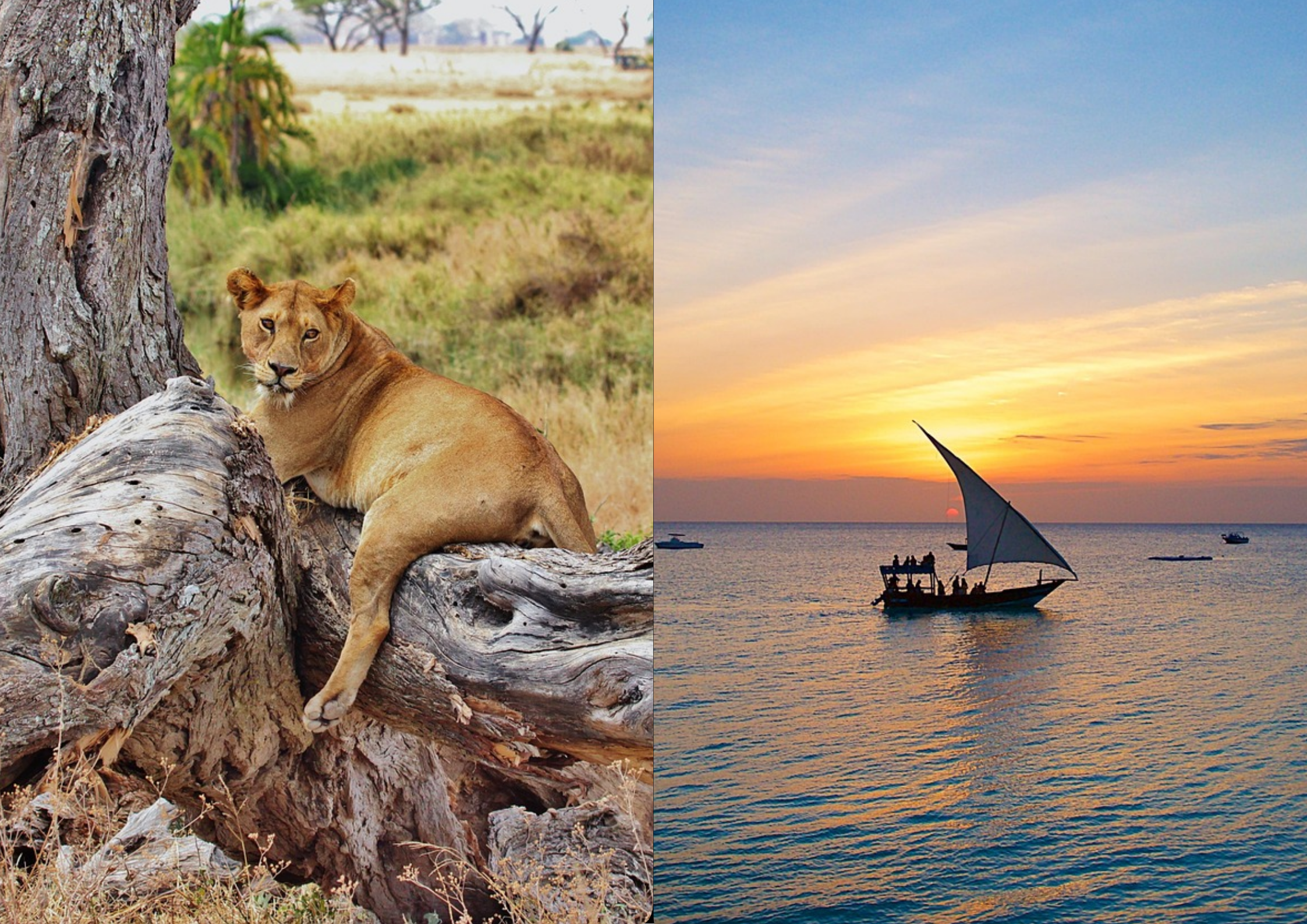
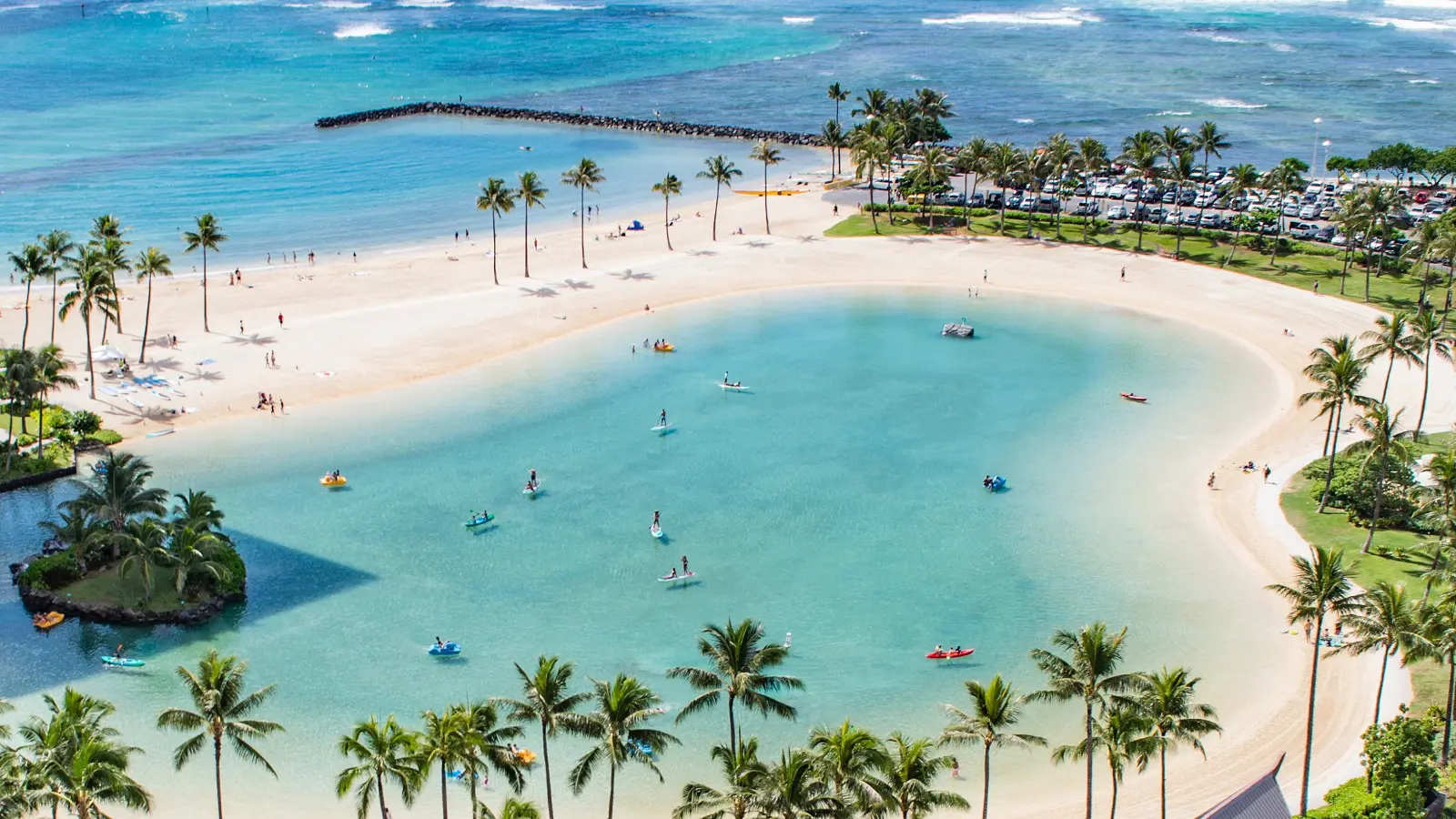
6. Marine Conservation: Zanzibar & Mafia Island
The Indian Ocean is as vital as the Serengeti. When visiting our island destinations, responsibility follows you into the water.
- Reef-Safe Sunscreen: Standard sunscreens contain oxybenzone, which bleaches coral reefs. Please only bring "Reef Safe" mineral-based sunscreens.
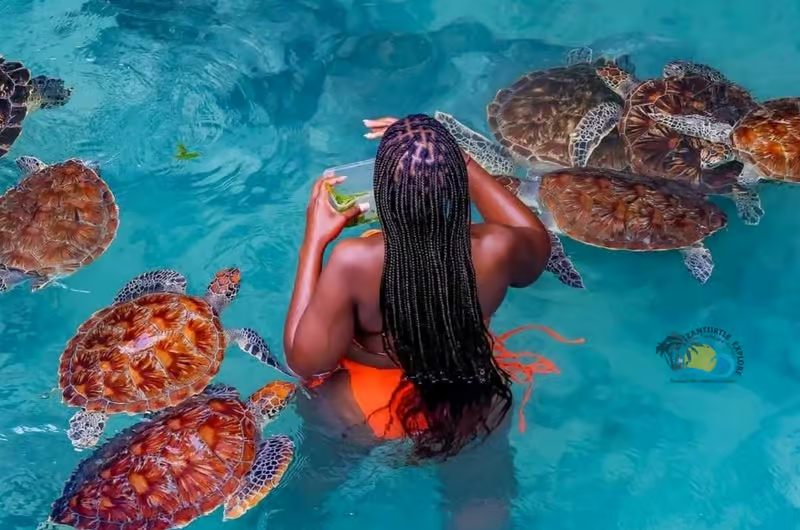
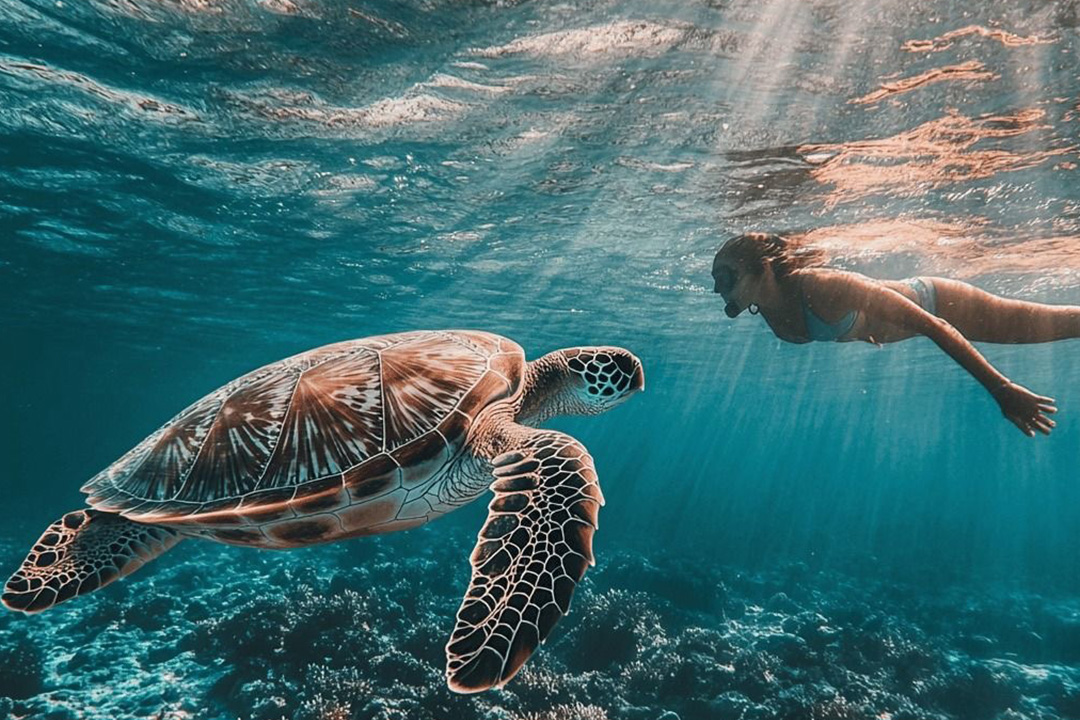
- No Touching: Do not touch the coral, turtles, or starfish. The oils on human skin can be toxic to marine life.
- Managed Dolphin Tours: We only work with boat captains in Kizimkazi who follow ethical dolphin-viewing protocols (no chasing, no jumping in the water to surround them).
At Chipmunk Expeditions, we don't just talk about responsibility—we live it. Every one of our itineraries is designed to minimize footprint and maximize the positive social return for the people of Tanzania.
To learn more about how we protect our guests as well as the environment, visit our Travel Insurance & Safety page.
Questions on Ethics?
If you aren't sure if a certain activity (like visiting a specific village) is ethical, just ask us. We pride ourselves on our honest, local-first perspective.
SPEAK TO OUR TEAM