
 chipmunkexpeditions@gmail.com
 +255 628 030 877



Protecting Your Investment and Your Life: The Vital Role of Insurance
A Tanzanian safari or Kilimanjaro climb is a significant financial and emotional investment. It involves traveling to remote regions where the nearest world-class medical facility might be hundreds of miles away. While Tanzania is a safe and stable country, the "unexpected" is a part of any grand adventure.
At Chipmunk Expeditions, we don't view travel insurance as an optional "add-on"—it is a non-negotiable requirement for every traveler who joins us. This isn't just about covering "lost luggage" or "flight delays." It is about ensuring that if an emergency occurs in the middle of the Serengeti or on the 5,000-meter slopes of Mount Kilimanjaro, you have immediate access to life-saving care without the burden of catastrophic costs.
For every safari and trekking guest, Chipmunk Expeditions pays for **Maisha Bronze** medical evacuation coverage from AMREF Flying Doctors. With over 60 years of experience, AMREF is the premier air ambulance service in Africa.
What this covers: One emergency air ambulance transport per year from the bush to a high-quality hospital in Nairobi or Dar es Salaam.
What it DOES NOT cover: Hospital bills, medication, post-emergency repatriation, or trip cancellation. These must be covered by your personal insurance policy.
1. The Kilimanjaro 6,000 Meter Rule
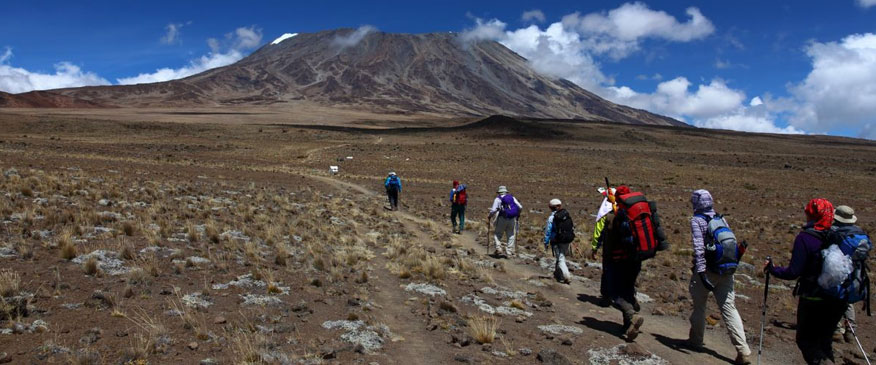
If your itinerary includes a climb of Mount Kilimanjaro, the single most common insurance mistake is choosing a policy that excludes "High-Altitude Trekking."
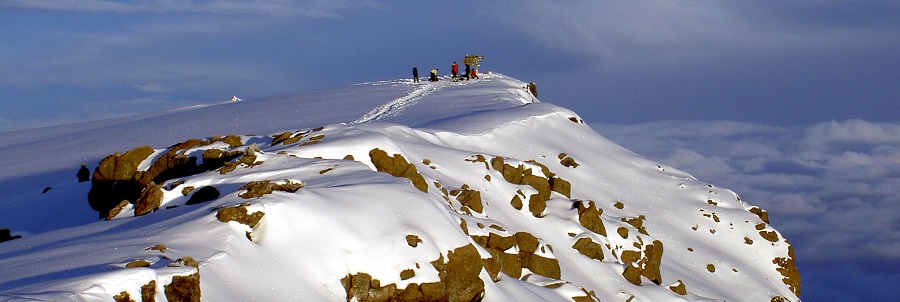
Most standard travel insurance policies (including those from credit cards or basic airline packages) only cover trekking up to 2,500 or 3,000 meters. Mount Kilimanjaro stands at 5,895 meters (19,341 ft). If you fall ill with HAPE (High Altitude Pulmonary Edema) or simple exhaustion above the 3,000-meter mark and your policy doesn't explicitly mention "coverage up to 6,000 meters," your claim will likely be rejected.
When buying your policy, search for the "Adventure Sports" or "High-Altitude" rider. It usually costs an extra $20-$40, but it is the most important $40 you will spend on your trip.
2. Trip Cancellation vs. Trip Interruption
Understanding the difference between these two can save you thousands of dollars if your plans change.
- Trip Cancellation: This kicks in before you leave home. If you break your leg a week before the flight, or a close family member falls ill, your insurance should reimburse your non-refundable safari deposits.
- Trip Interruption: This applies during the trip. If you contract a stomach bug halfway through your safari and have to stay behind in Arusha while your group continues, "interruption" coverage can help pay for the hotel and private transport needed to catch up with them later.
3. The Real Cost of Non-Insurance: A Reality Check
Tanzania’s wilderness is vast. If you require a medical evacuation and do not have insurance, here is an estimate of the costs you would face out-of-pocket:
| Service | Cost Without Insurance (Est.) | Wait Time / Complexity |
|---|---|---|
| Air Ambulance from Serengeti to Nairobi | $15,000 - $25,000 USD | Requires upfront wire transfer |
| Private Hospital Admission (Deposit) | $5,000 - $8,000 USD | Must be paid before surgery |
| Medical Repatriation to UK/USA/DE | $35,000 - $60,000 USD | Requires medical escort |
4. Mandatory Zanzibar Health Insurance (Update 2024)
IMPORTANT: As of late 2024, the Revolutionary Government of Zanzibar has introduced a mandatory local health insurance for all visitors to the island. Even if you already have international insurance, you may be required to purchase this local policy (approx. $44 USD) upon arrival at the airport or ferry port. This policy only covers local care within Zanzibar’s public clinics and is not a substitute for the high-level international coverage we require.
5. Scams & Shady Insurers: What to Avoid
Not all "Adventure Insurance" is created equal. Be wary of policies that:
- Require "Pre-Approval" for Emergency Evacuation: In a life-and-death situation in the bush, there is no time to wait for a call center in New Jersey to approve a flight. Look for policies that allow "retroactive approval" for life-saving evacuations.
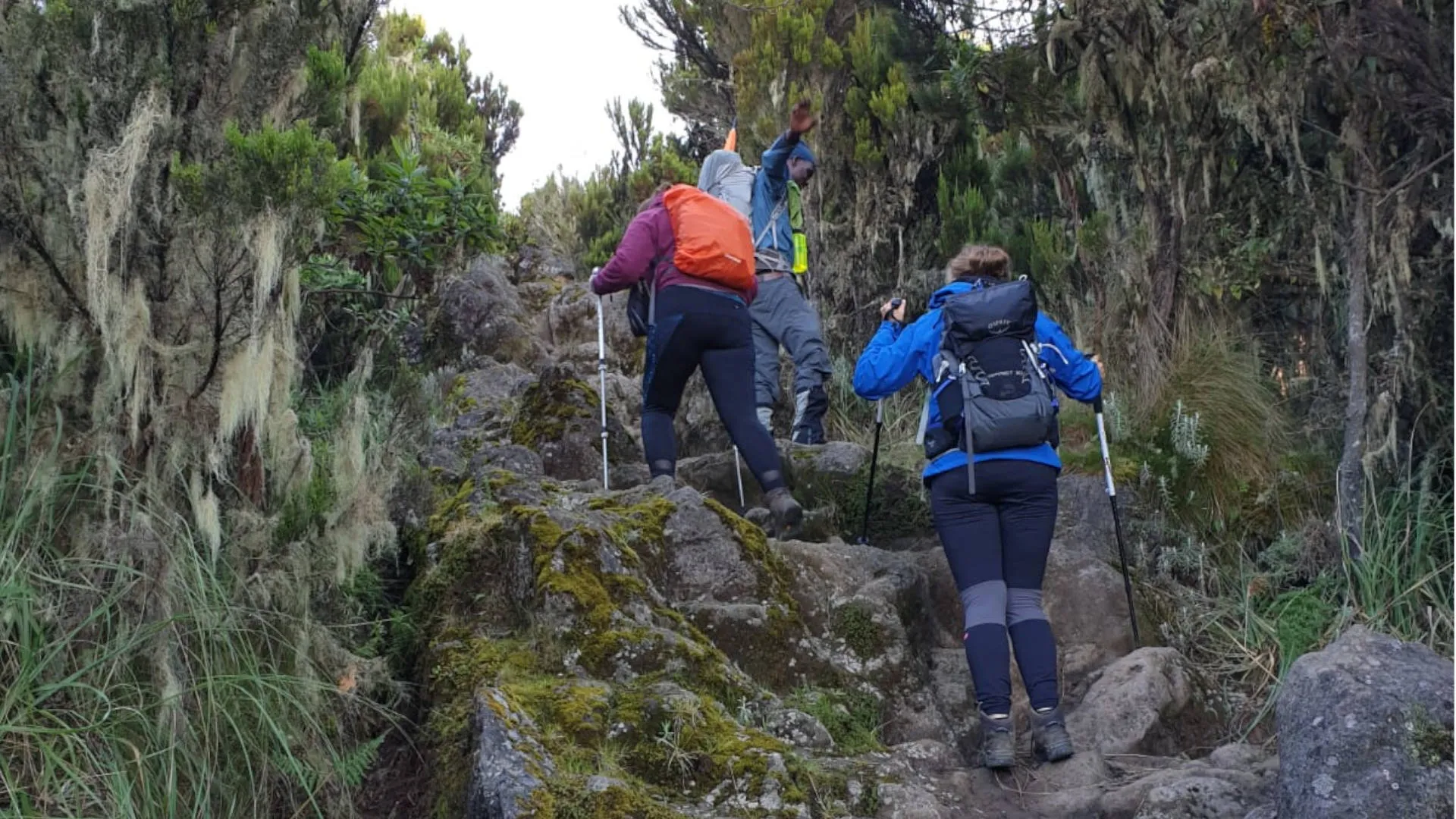
- Vague Wording: Phrases like "Standard hiking on marked trails" are dangerous. Much of the Kilimanjaro path is rocky scree, not a "marked trail" in the eyes of a lawyer.
- Excessive Deductibles: A $2,000 deductible might seem fine for your car at home, but it’s a logistical nightmare to prove and pay while in the middle of a Tanzanian hospital.
6. Pre-Departure Checklist for Your Policy
ACTION STEPS
- Email Us Your Details: We need your policy number and the 24-hour emergency phone line of your insurer. Our base in Arusha keeps this on file so we can act as your advocate if you cannot speak for yourself.
- Carry a Physical Card: Don't rely on your phone's battery. A printed copy of your insurance certificate in your passport wallet is a lifesaver.
- Declare Pre-Existing Conditions: If you are on asthma or heart medication, declare it. Failure to do so can invalidate your entire policy if those conditions contribute to an altitude illness.
For more information on the health requirements for entering Tanzania, please visit our Yellow Fever & Health Guide.
Questions on Coverage?
We are not insurance brokers, but we’ve seen thousands of claims. We can tell you what works and what doesn't in the Tanzanian context.
SPEAK TO AN EXPERTNeed Specific Wording?
If your insurer needs an itinerary or TALA license number to approve your policy, just let us know and we'll send it over.
CONTACT OUR SUPPORT