
 chipmunkexpeditions@gmail.com
 +255 628 030 877




Connecting Through Language: The Soul of Tanzania
Swahili (or Kiswahili) is more than just a language in Tanzania; it is the thread that binds together over 120 distinct ethnic groups into a single, cohesive national identity. While English is widely spoken in the tourism industry and in urban centers, making the effort to speak even a few words of Swahili will open doors and hearts in a way that English never can.
Tanzanians are incredibly proud of their language and are known for being patient and encouraging with language learners. In the villages surrounding Arusha or the bustling markets of Zanzibar, a simple "Habari" (How are you?) can transform a transaction into a connection. This guide is designed to take you beyond the basics, providing you with the linguistic tools to navigate your safari with confidence and respect.
THE PHONETIC SIMPLICITY OF SWAHILI
Unlike English, Swahili is a "transparent" phonetic language—it is written exactly as it sounds. Once you learn the five primary vowels, you can read almost any word in the dictionary.
- A is always AH (like "father")
- E is always EH (like "bed")
- I is always EE (like "see")
- O is always OH (like "note")
- U is always OO (like "boot")
1. The History and Origins of Kiswahili
The word "Swahili" comes from the Arabic word Sawahil, meaning "coasts." As a Bantu language at its core, it evolved over a thousand years along the East African coast as a medium of trade between local African communities and visiting Arabs, Persians, and Indians.
You will notice many loanwords during your travels. Kitabu (book) comes from Arabic Kitab, while Meza (table) comes from Portuguese Mesa. Even Shule (school) is a remnant of German colonial influence! This rich tapestry makes Swahili an incredibly fascinating language to study.
2. Essential Daily Greetings: The Art of Respect
In Tanzania, greetings are a social ritual. To skip a greeting and jump straight into a question is considered quite rude.
| English Context | Swahili Phrase | Pronunciation Guide |
|---|---|---|
| General "Hi" (Casual) | Jambo / Mambo | JAM-bo / MAM-bo |
| Response to "Mambo" | Poa | POH-ah |
| Formal Greeting to an Elder | Shikamoo | shi-ka-MOH |
| The required response to Shikamoo | Marahaba | ma-ra-HA-ba |
| How is the morning? | Habari za asubuhi? | ha-BAR-ee za a-soo-BOO-hee |
| I am fine (State of being) | Safi / Salama | SAH-fee / sa-LAH-ma |
| Thank you very much | Asante sana | ah-SAHN-teh SAH-nah |
3. At the Dinner Table: Food and Dining
Whether you are dining in a luxury safari lodge or trying "Chipsi Mayai" at a local Arusha street stall, these phrases will serve you well.
- I am hungry: Nina njaa (Nee-nah NJAH-ah)
- Water: Maji (MAH-jee)
- Cold drink: Kinywaji baridi (Kee-NYWAH-jee ba-REE-dee)
- Delicious: Tamu sana (TAH-moo SAH-nah)
- I am full: Nimeshiba (Nee-meh-SHEE-bah)
- The bill, please: Naomba bili (Nah-OM-bah BEE-lee)
4. Wildlife & The Safari Lexicon
Impress your guide by identifying the "Big Five" in their native tongue before they even point them out!
| Wildlife | Swahili Name | Fun Fact |
|---|---|---|
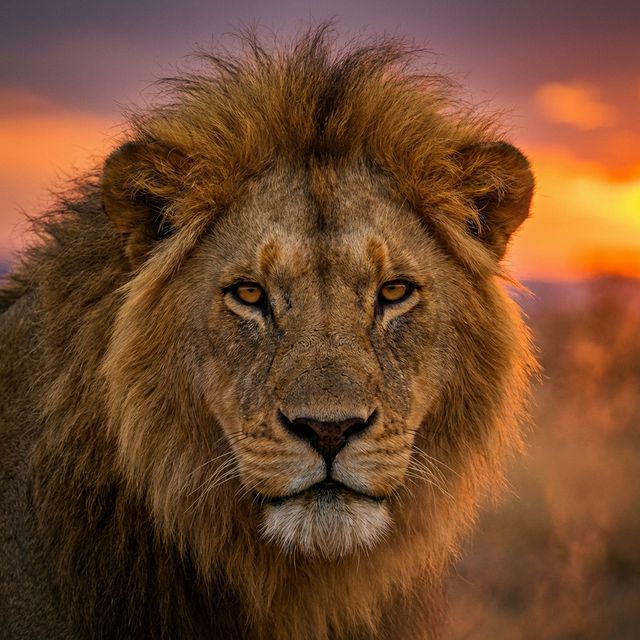
| Lion | Simba | The King of the Savannah |
| Elephant | Tembo | Also called "Ndovu" in some regions |
| Leopard | Chui | The most elusive cat |
| Cheetah | Duma | The fastest animal on the plains |
| Giraffe | Twiga | Tanzania's national animal |
| Rhino | Kifaru | "Kifaru" is also the word for a Tank! |
| Hippopotamus | Kiboko | One of the most dangerous animals |
5. Essential Cultural Concepts
There are three phrases that define the Tanzanian psyche. Understanding these will help you manage your expectations and enjoy the rhythm of the country.
A. Pole Pole (Slowly, Slowly)
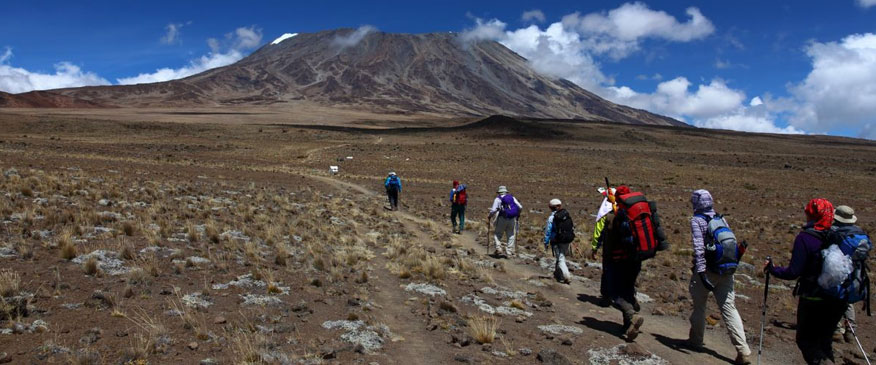
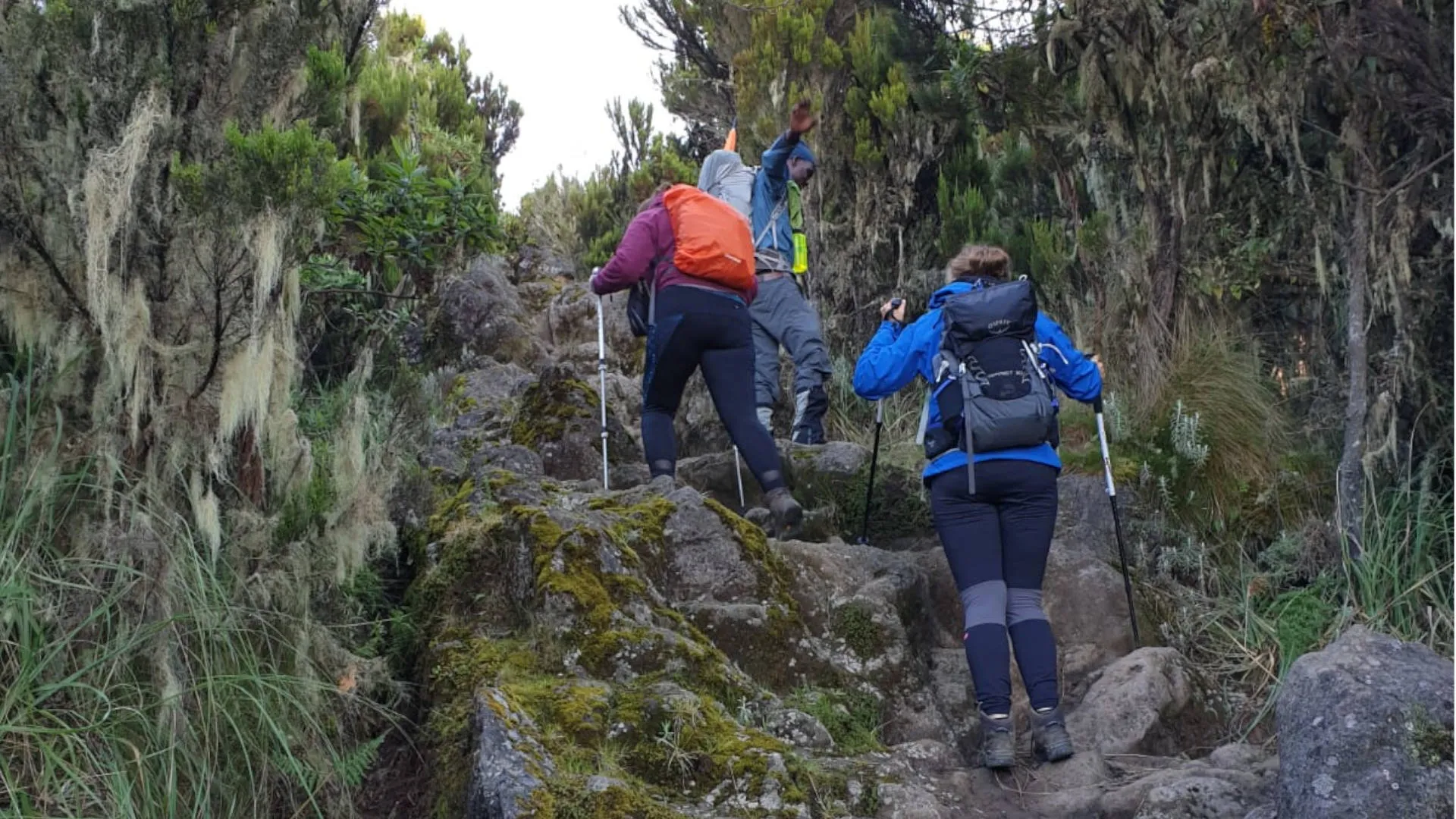
This is the unofficial national motto. Whether you are trekking up the steep Western Breach of Kilimanjaro or waiting for your fresh seafood in Zanzibar, the answer is always Pole Pole. It's an invitation to be present and patient.
B. Hodi Hodi
In Tanzania, you don't just knock on a door; you call out "Hodi?" (May I enter?). The occupant should respond with "Karibu" (Welcome) before you step inside.
C. Baadae (Later)
In a world of strict schedules, Baadae is a flexible term. It might mean in five minutes, or it might mean tomorrow. Learn to love the ambiguity!
6. Numbers, Time, and Money
Swahili time is unique—it starts at dawn (6:00 AM). 7:00 AM is "Hour One" of the day. To avoid confusion, most Tanzanians will use English time with tourists, but for markets, numbers are vital:
- How much? Shilingi ngapi? (Shee-LEENG-ee NGAH-pee?)
- Too expensive! Ghali sana! (GHAH-lee SAH-nah!)
- Reduce the price: Punguza bei (Poon-GOO-zah BAY-ee)
- Money: Pesa (PEH-sah)
7. Directions & Movement
If you are exploring the narrow, labyrinthine alleys of Stone Town, you will need these:
- Straight ahead: Moja kwa moja (MOH-jah kwah MOH-jah)
- To the right: Kulia (Koo-LEE-ah)
- To the left: Kushoto (Koo-SHOH-toh)
- Near: Karibu (ka-REE-boo) - Note: This is the same word as "welcome"! Context is key.
- Far: Mbali (MBAH-lee)
8. Why Making the Effort Matters
At Chipmunk Expeditions, we have seen firsthand how a guest's willingness to say "Asante" (Thank you) to a porter or "Habari yako?" (How are you?) to a shopkeeper transforms the travel experience. It signals that you are not just a consumer of scenery, but a guest in a home.
PRO TIP: THE "RIGHT" HAND
When greeting someone or handing over money/gifts, always use your right hand. In many Tanzanian cultures, the left hand is reserved for personal hygiene and is considered impolite for social interaction.
ASKING FOR PHOTOS
Before taking a photo of a local person, point to your camera and ask, "Naomba kupiga picha?" (May I take a photo?). Most will be happy to oblige, especially if you show them the result!
Your Safari Library
Every traveler with Chipmunk Expeditions receives a premium, laminated Swahili pocket guide as part of their arrival pack. We'll have you speaking like a local by the time your safari reaches the Serengeti!
BOOK YOUR CULTURAL SAFARI