
 chipmunkexpeditions@gmail.com
 +255 628 030 877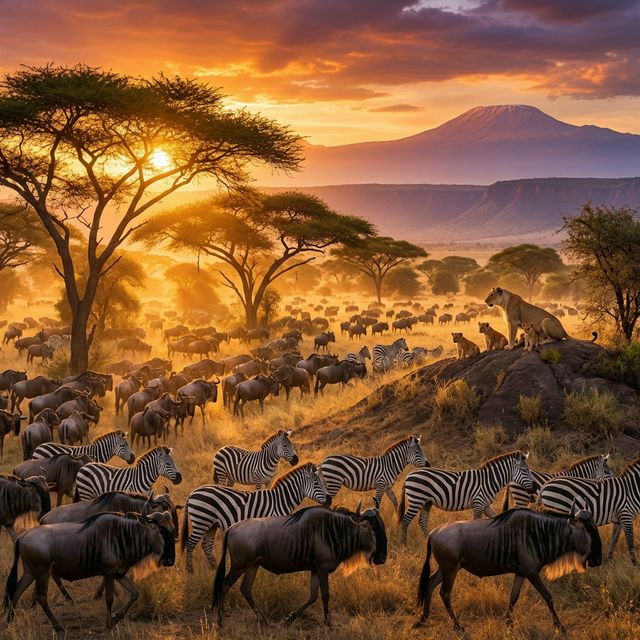


Planning Your Perfect Adventure Timeline: A Strategic Overview
Tanzania is a land of infinite cycles. From the birth of half a million wildebeest calves on the southern plains to the thunderous arrival of the monsoon winds in the Zanzibar archipelago, the timing of your visit isn't just a detail—it's the frame for your entire experience.
Unlike many tropical destinations that have a simple "hot and cold" or "wet and dry" binary, Tanzania's climate is influenced by its varied topography. The elevation of the Arusha highlands, the vast basin of the Rift Valley, and the coastal humidity of the Indian Ocean all play a role in creating localized microclimates. As experts in East African travel, we've compiled this comprehensive month-by-month guide to help you harmonize your schedule with the pulse of the wild.
The primary driver for tourism timing is water. In the dry season, animals are forced to stay near permanent water sources, creating high density. In the wet season, the landscape "explodes" with life, providing abundance but spreading the animals over wider, more hidden areas.
1. The High Dry Season: June to October
This is often cited as the "best" time to visit Tanzania, particularly for first-time safari-goers. As the rains cease in mid-May, the landscape begins a slow transformation from lush emerald to a golden-brown savannah.
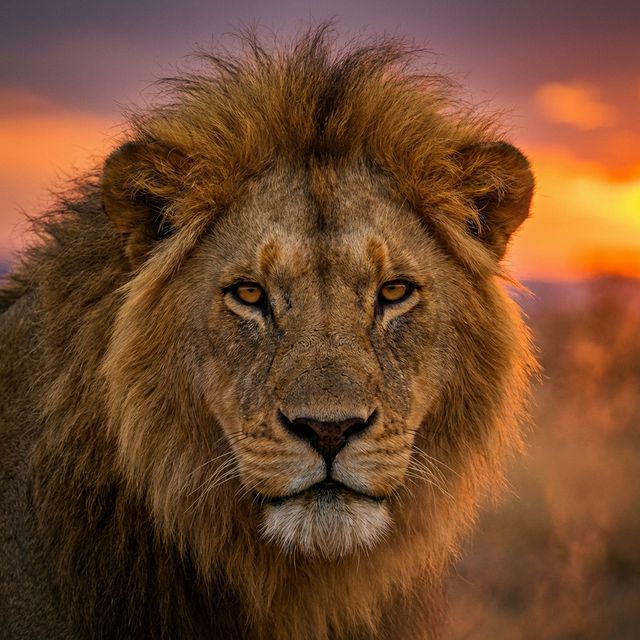
- Wildlife Spotting (The Density Factor): As the vegetation thins and smaller waterholes evaporate, animals congregate around the remaining major rivers, such as the Tarangire, Seronera, and the Mara. This creates "guaranteed" sightings of large prides of lions and herds of elephants.
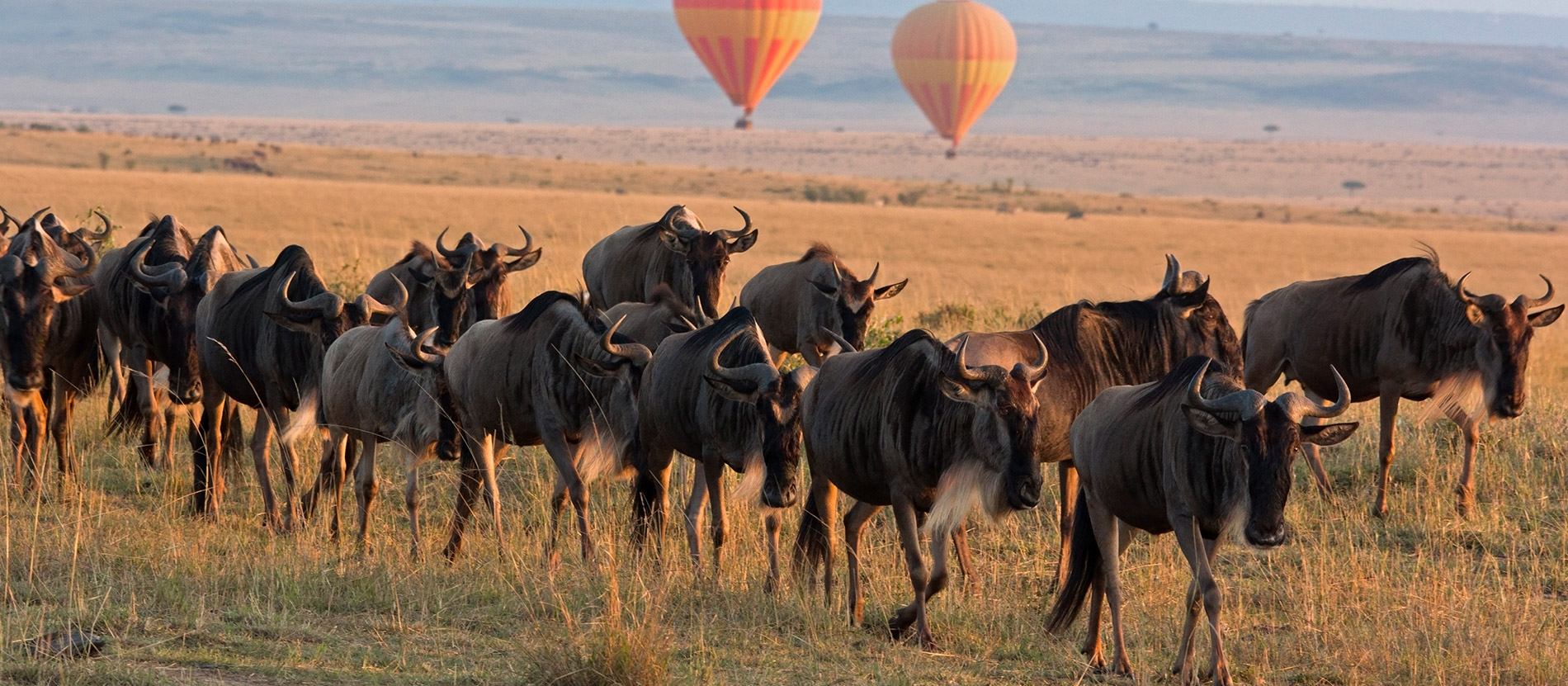
- Great Migration Action: Between late July and September, you have the best chance of witnessing the dramatic Mara River Crossings. This is high-stakes drama where thousands of wildebeest plunge into crocodile-infested waters.
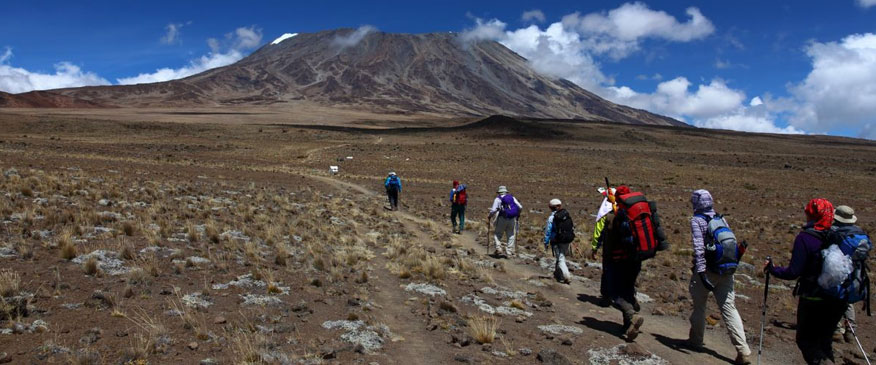
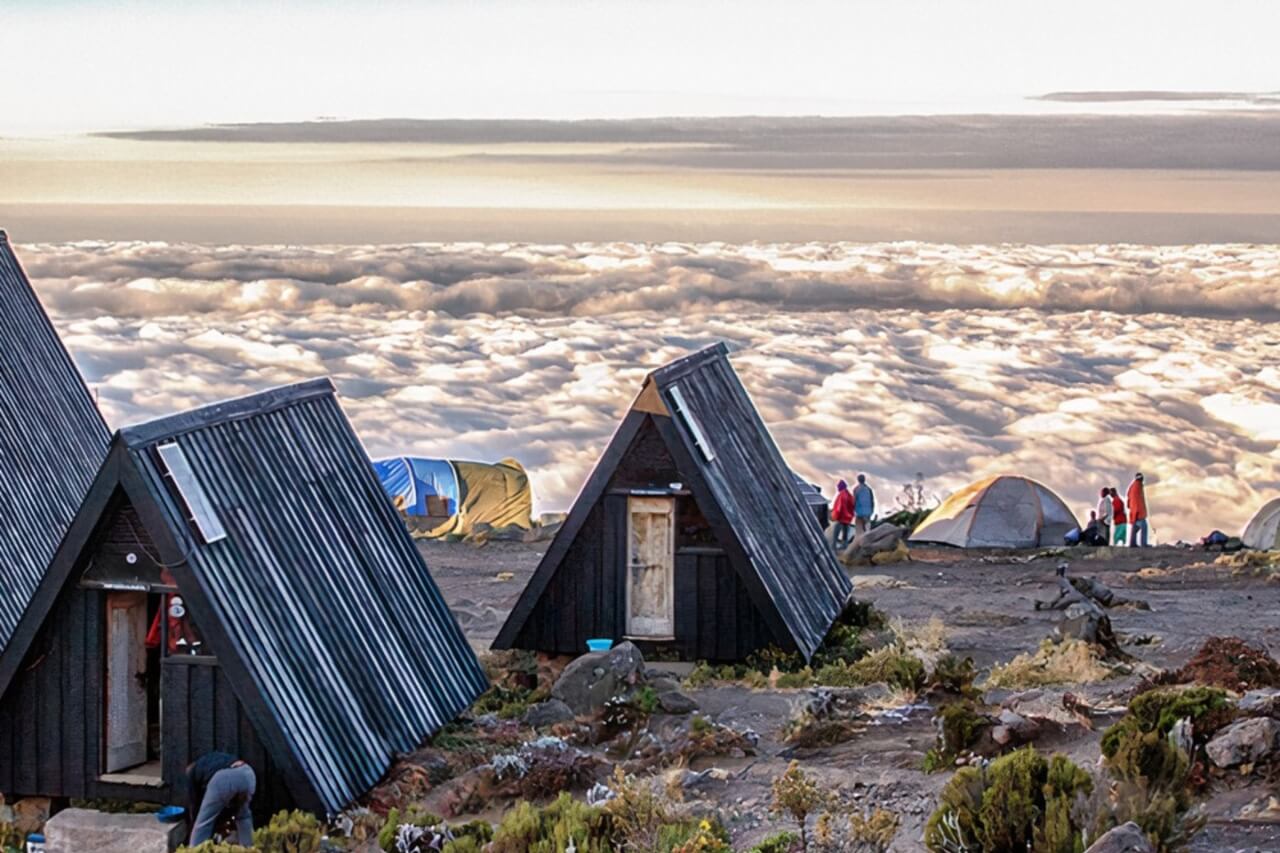
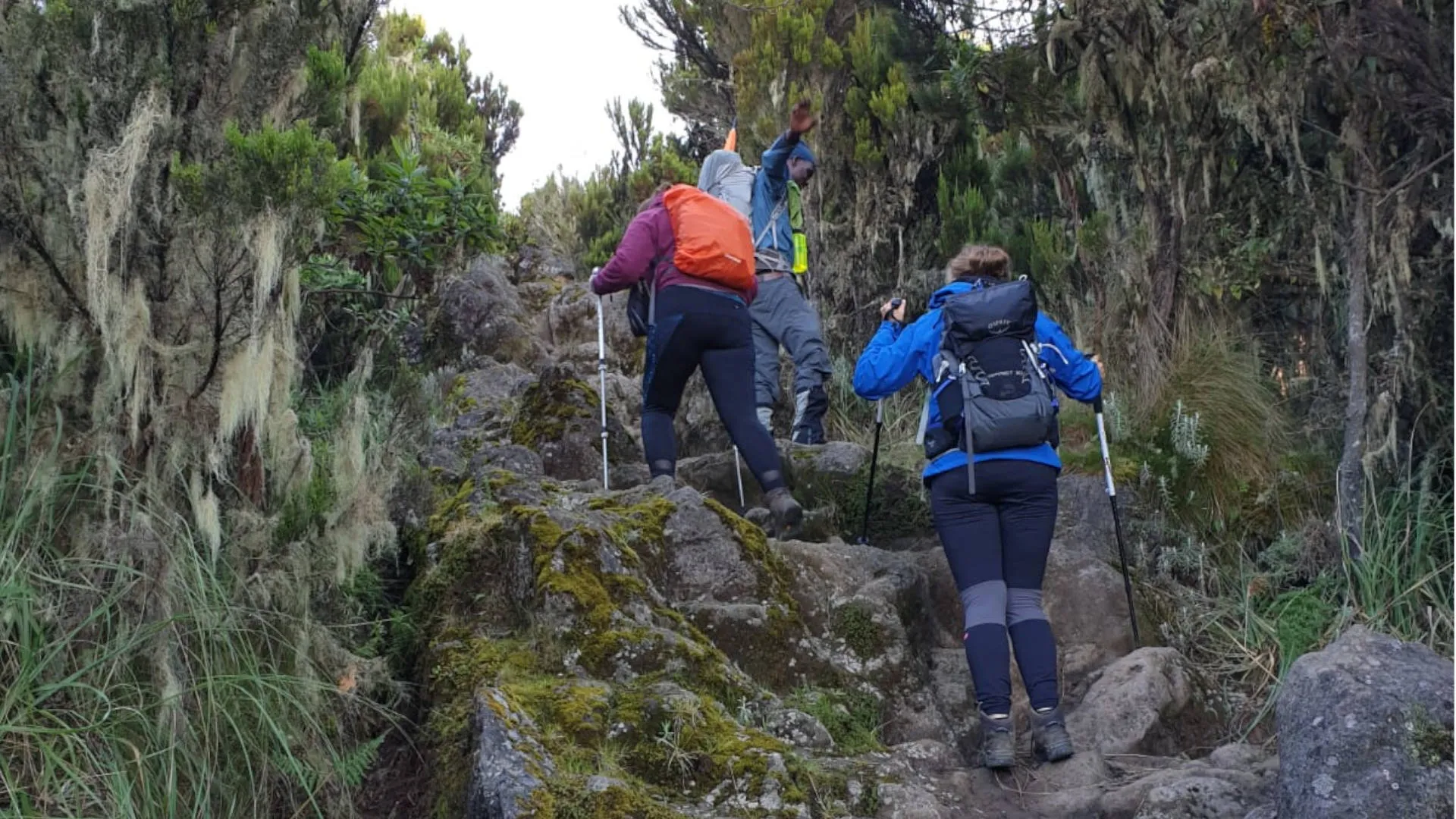
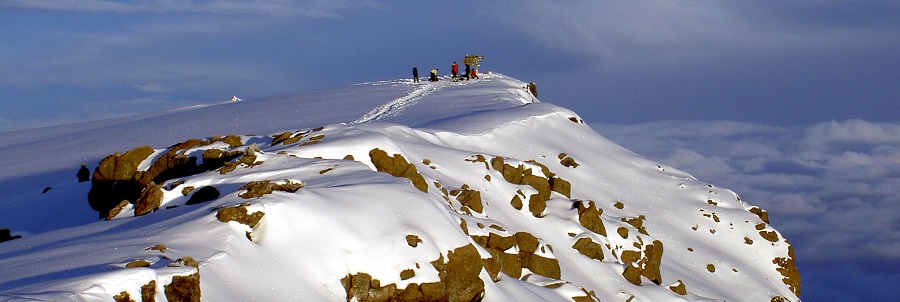
- The Kilimanjaro Factor: This is the premier window for summiting Africa's highest peak. Skies are clear, providing the iconic views of the "Roof of Africa," and trails are dry, which significantly increases safety and success rates on the steep scree slopes.
Expect high demand. The Serengeti's northern reaches are at their most active. This is also "whale shark season" kickoff in the deeper waters around Mafia Island and the onset of peak visibility for divers in Zanzibar's Mnemba Atoll.
2. The "Short Rains" & Secret Peak: November to December
The "Short Rains" (vuli) typically arrive in November. These are not the heavy, wash-out rains of April, but rather refreshing, brief afternoon showers that settle the dust and bring a new flush of green to the earth.
Many professional wildlife photographers prefer December. The lighting is softer than the harsh noon-day sun of August, and the dust is minimal, allowing for crisp, vibrant shots of the returning green horizon. The herds also begin their trek back south, populating the central Serengeti once again.
3. The Calving Season: January to February
If June-August is the season of "struggle and migration," January and February represent the season of "birth and predators."
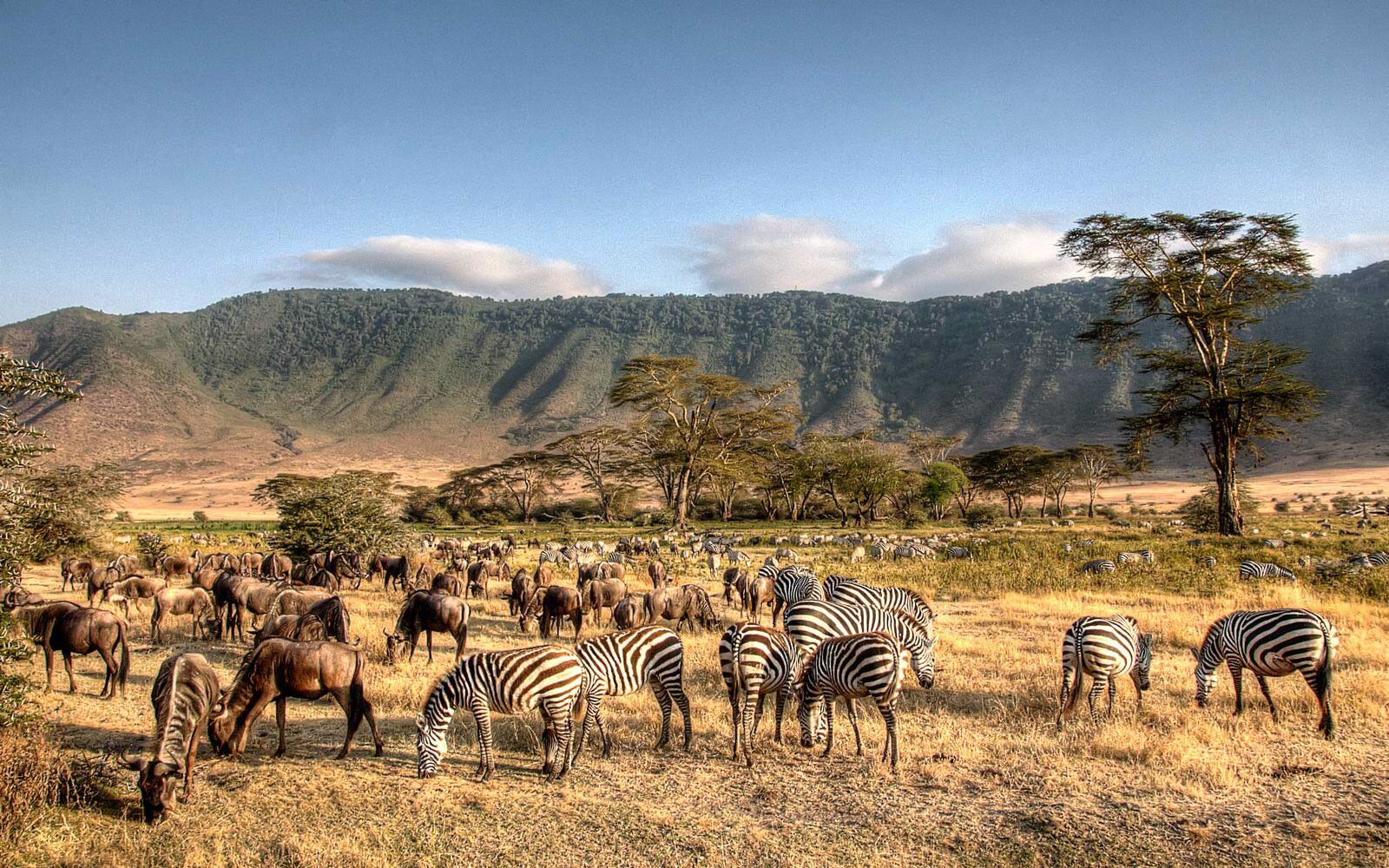
In late January, the wildebeest herds settle on the short-grass plains of the southern Serengeti and Ngorongoro Conservation Area (specifically the Ndutu region). In a remarkable feat of natural synchronization, nearly 8,000 calves are born every single day for about three weeks.
The Predator Pulse: This concentrated abundance of vulnerable young animals attracts every predator in the ecosystem. It is the best time to see cheetahs in full-speed pursuit and lions teaching their cubs to hunt.
4. The "Long Rains" (Green Season): March to May
The "Long Rains" (masika) are the true tropical wet season. While many travelers avoid this period, it offers a "Private Safari" feel for a fraction of the cost.
- The Serengeti Private: You can often enjoy the world's most famous national park with almost no other vehicles in sight.
- Photography: The air is at its most transparent, and the emerald green landscape provides a stunning contrast to the tawny coats of predators.
- Birdwatching: This is a world-class window for birders. Migratory species from the Northern Hemisphere are present, and local birds are in their vibrant breeding plumage.
5. Regional Breakdown: North vs. South vs. West
Tanzania is twice the size of California; one season doesn't fit all regions.
The Northern Circuit (Serengeti, Ngorongoro, Manyara)
The traditional window is June-October and January-February. This is the most reliable region for year-round wildlife, though Manyara can be spectacular for flamingos during the wetter months.
The Southern & Western Circuits (Selous, Ruaha, Katavi)
These regions are much hotter and more remote. Katavi and Ruaha are strictly dry-season parks. During the rains (March-May), many camps here actually close as the tracks become impassable and the animals disappear into the thick bush. The best time for the South is July to October.
Mahale & Gombe (Chimpanzee Trekking)
Chimpanzee trekking is best in the dry season (July-October). The chimps are found lower on the mountain slopes and are easier to locate. In the wet season, they retreat higher into the thick canopy, making the trek much more strenuous.
6. Zanzibar & The Indian Ocean Islands
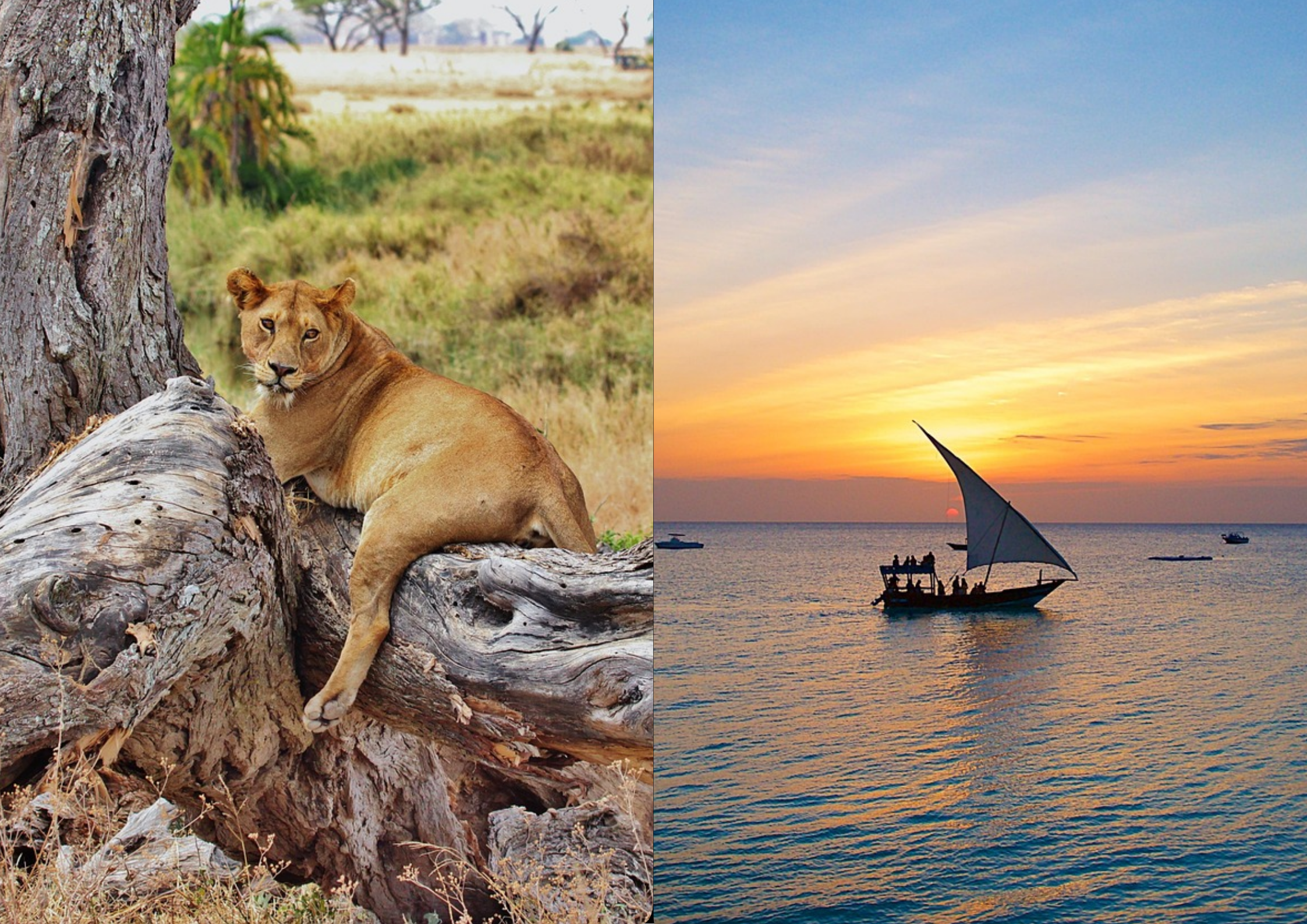
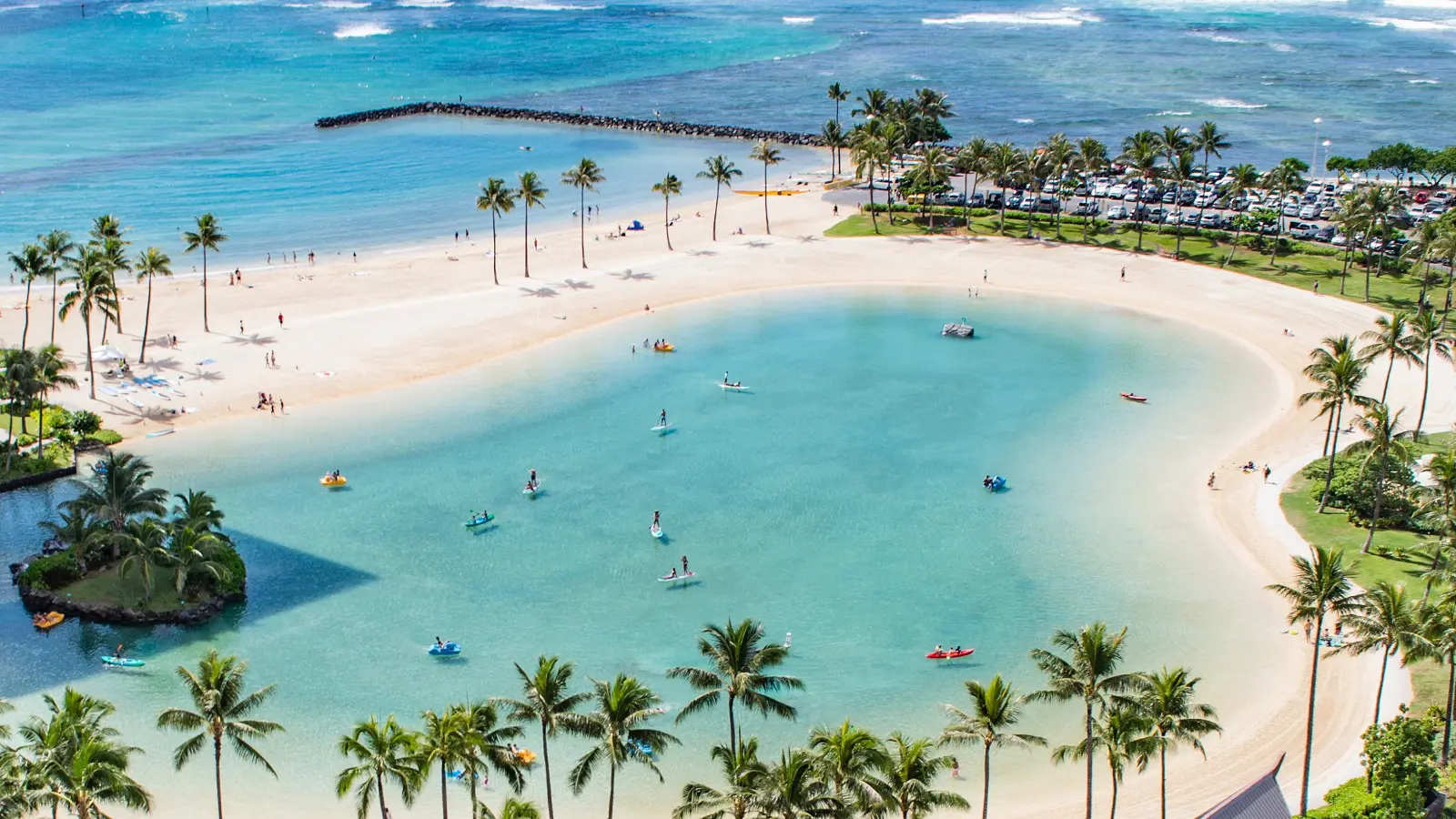
Zanzibar has two distinct dry seasons. The "Cool Dry" from June to October is dominated by the 'Kusi' wind, which provides a refreshing breeze. The "Hot Dry" from December to February is perfect for those who want intense sun and 30°C+ water temperatures. Avoid April and May, as the monsoonal rains on the islands can be relentless.
7. Monthly Breakdown: A Detailed Summary
| Month | Kilimanjaro | Safari Quality | Zanzibar Beach | Overall Rating |
|---|---|---|---|---|
| January | Excellent | Excellent (Calving) | Excellent | ⭐⭐⭐⭐⭐ |
| February | Excellent | Excellent (Calving) | Excellent | ⭐⭐⭐⭐⭐ |
| March | Fair | Good (Lush) | Variable | ⭐⭐⭐ |
| April | Poor (Wet) | Fair (Great Value) | Poor (Wet) | ⭐⭐ |
| May | Poor (Wet) | Fair (Adventure) | Poor (Wet) | ⭐⭐ |
| June | Good | Excellent (Dry) | Excellent | ⭐⭐⭐⭐ |
| July | Excellent | Peak Action | Excellent | ⭐⭐⭐⭐⭐ |
| August | Excellent | Peak Action | Excellent | ⭐⭐⭐⭐⭐ |
| September | Excellent | Excellent | Excellent | ⭐⭐⭐⭐⭐ |
| October | Good | Excellent | Excellent | ⭐⭐⭐⭐ |
| November | Variable | Good (Short Rains) | Variable | ⭐⭐⭐ |
| December | Good | Excellent (Lush) | Excellent | ⭐⭐⭐⭐ |
8. Specific Events & Festivals
Beyond wildlife, consider these cultural markers:
- Sauti za Busara (Zanzibar, February): One of Africa's most prestigious music festivals, showcasing talent from across the continent in the Old Fort.
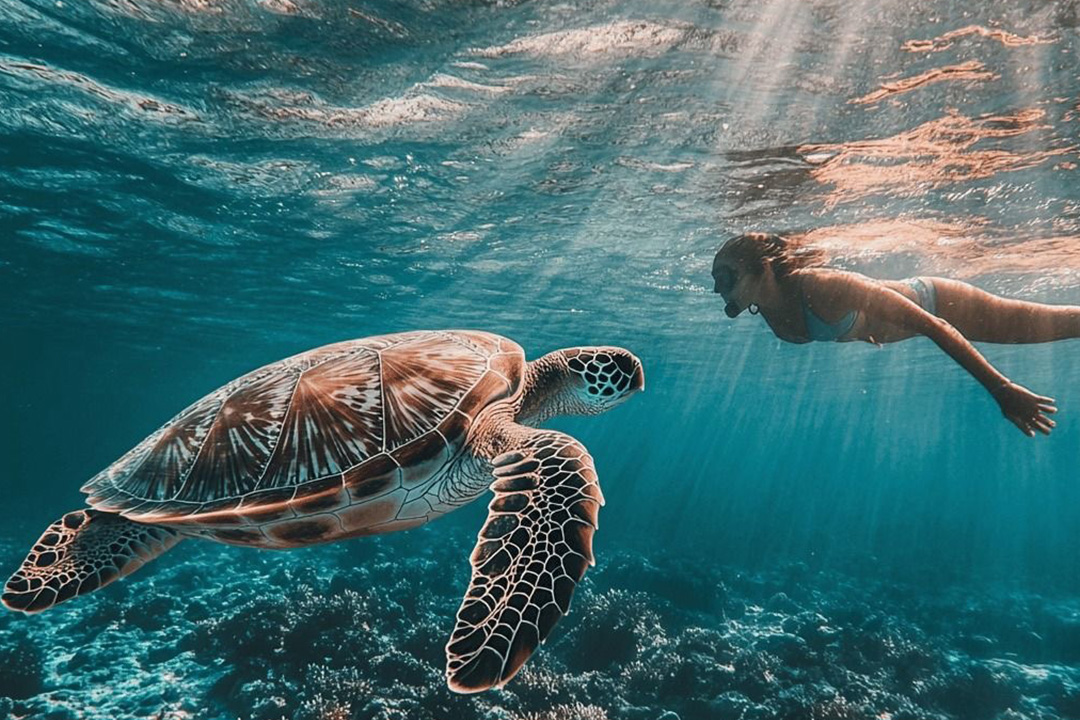
- Turtle Hatching (Mafia Island, June-September): Witness the incredible sight of thousands of baby green turtles making their way to the ocean.
- The Serengeti Marathon (November): For those who want to run alongside the wildlife!
No matter your chosen window, Chipmunk Expeditions specializes in navigating the seasonal nuances. Whether we're moving our mobile camps to follow the herds or selecting the best routes for a rainy-season climb, we ensure you're in the right place at the right time.
Still Not Sure When to Go?
Let our specialists recommend the perfect month based on your wildlife wish-list and travel style.
REQUEST ADVICE FROM A LOCAL EXPERT