
 chipmunkexpeditions@gmail.com
 +255 628 030 877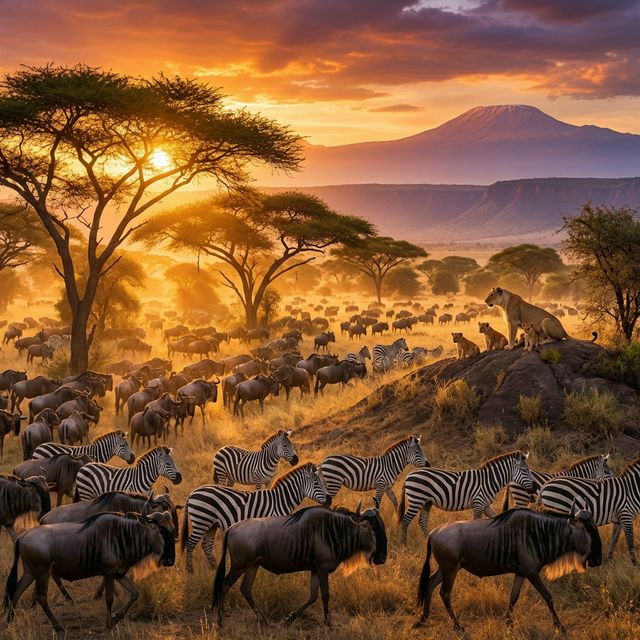


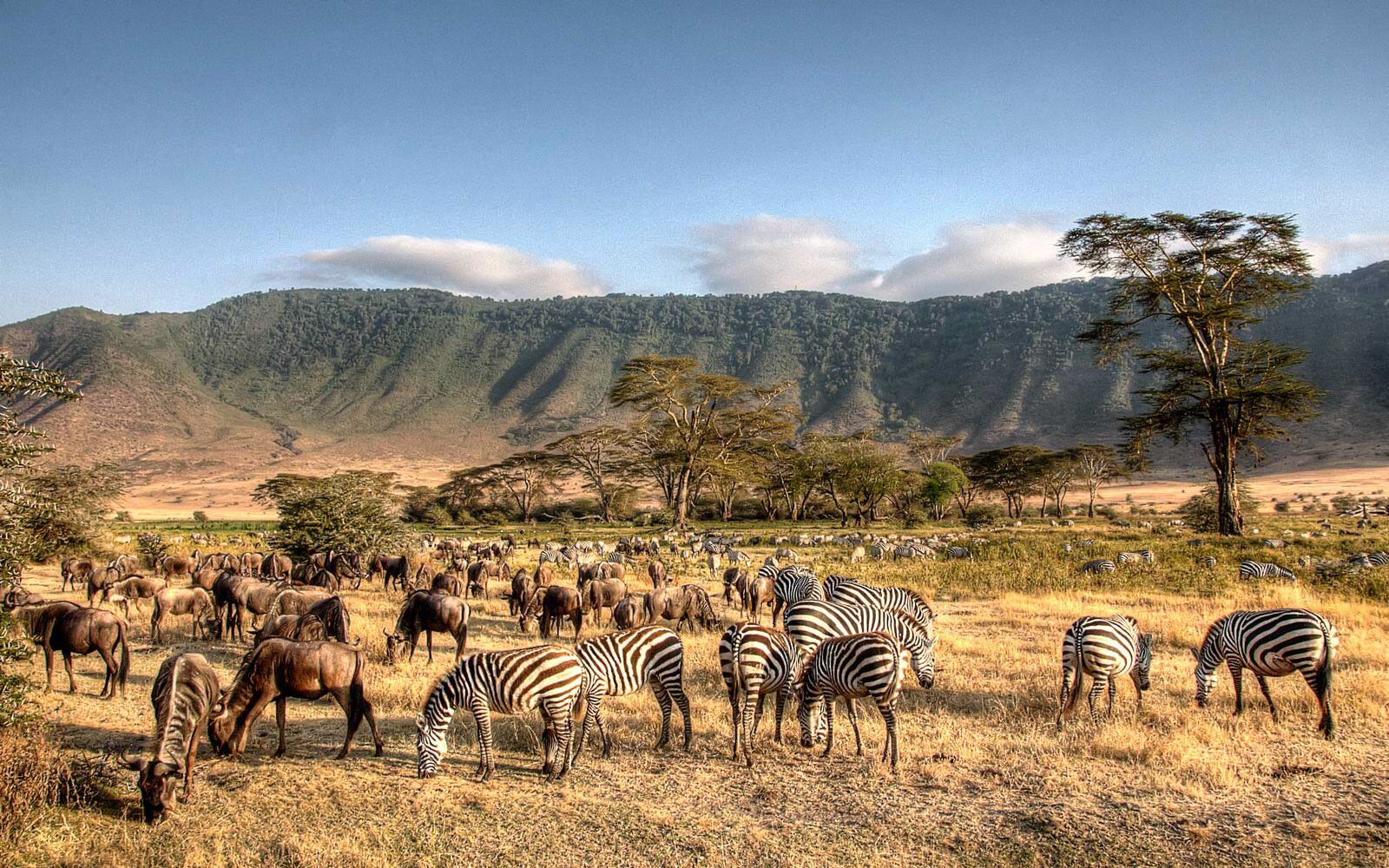

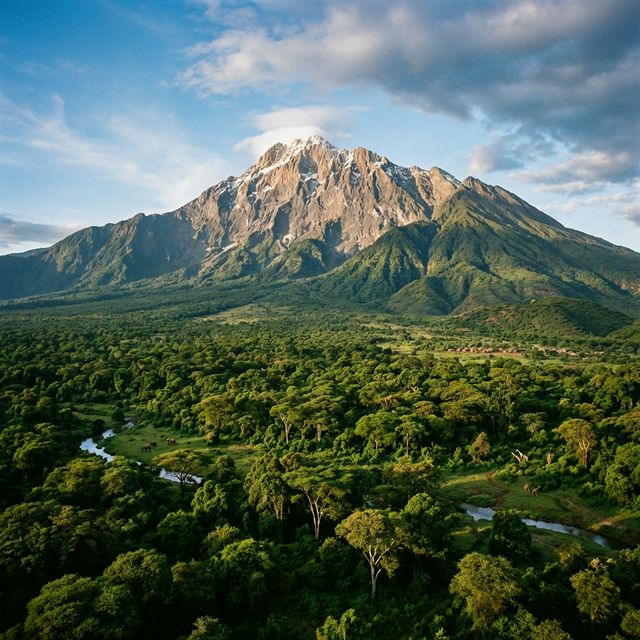

Welcome to the ultimate guide on Bird Watching Safari in Tanzania – Best Locations. When planning a journey to Africa, gathering expert, up-to-date information is the difference between a good trip and the trip of a lifetime. Read on to discover all the essential details compiled by our Safari Experts.
An Introduction to Tanzania's Wonders
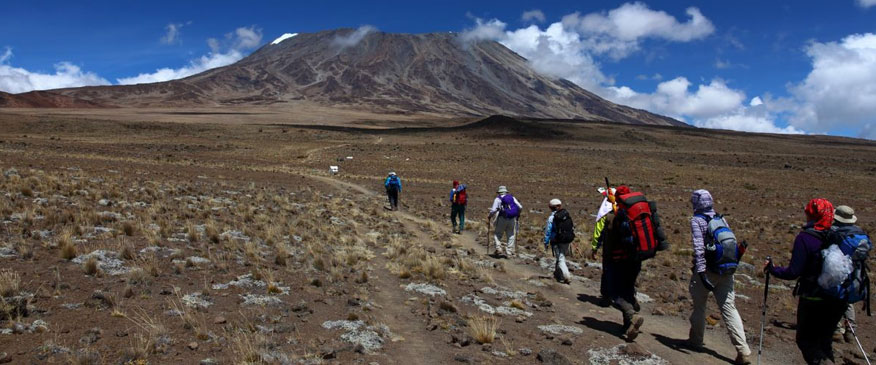
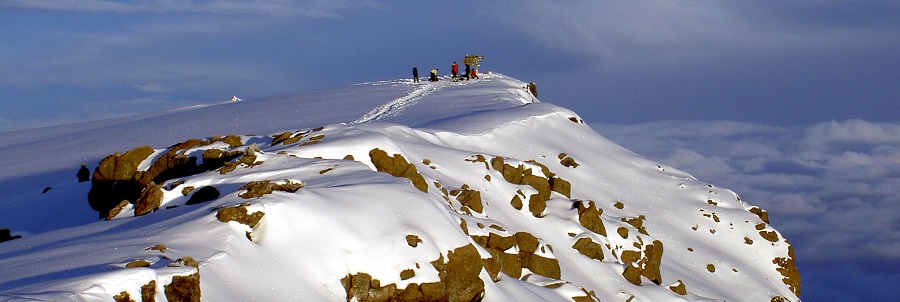
Tanzania is a country of staggering natural beauty and immense geographical diversity. From the snow-capped peak of Mount Kilimanjaro to the deep, wildlife-filled basin of the Ngorongoro Crater, and from the endless plains of the Serengeti to the pristine, coral-fringed beaches of Zanzibar—it is a destination that defies simple description. This incredible diversity means that a well-planned itinerary can offer a multitude of vastly different experiences in a single trip, making it one of the premier travel destinations on the African continent.
Understanding the Topography and Climate
The climate in Tanzania is largely dictated by its altitude and proximity to the equator. While the coast remains hot and humid year-round, the central plateau and northern highlands offer temperate, highly pleasant conditions. The country experiences two main rainy seasons: the 'long rains' in April and May, and the 'short rains' in November and December. Understanding these climatic patterns is essential for determining the best time to undertake specific activities, be it a challenging mountain summit, a dedicated wildlife safari, or a relaxing beach holiday.
The Wildlife Experience: Beyond the Big Five
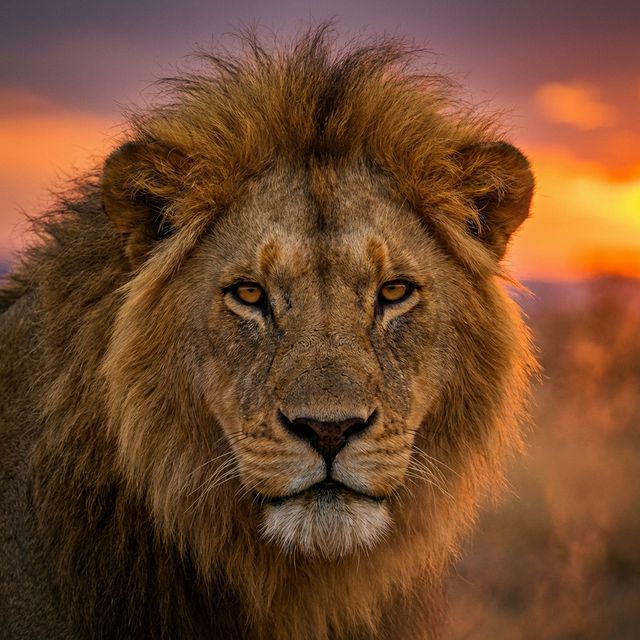
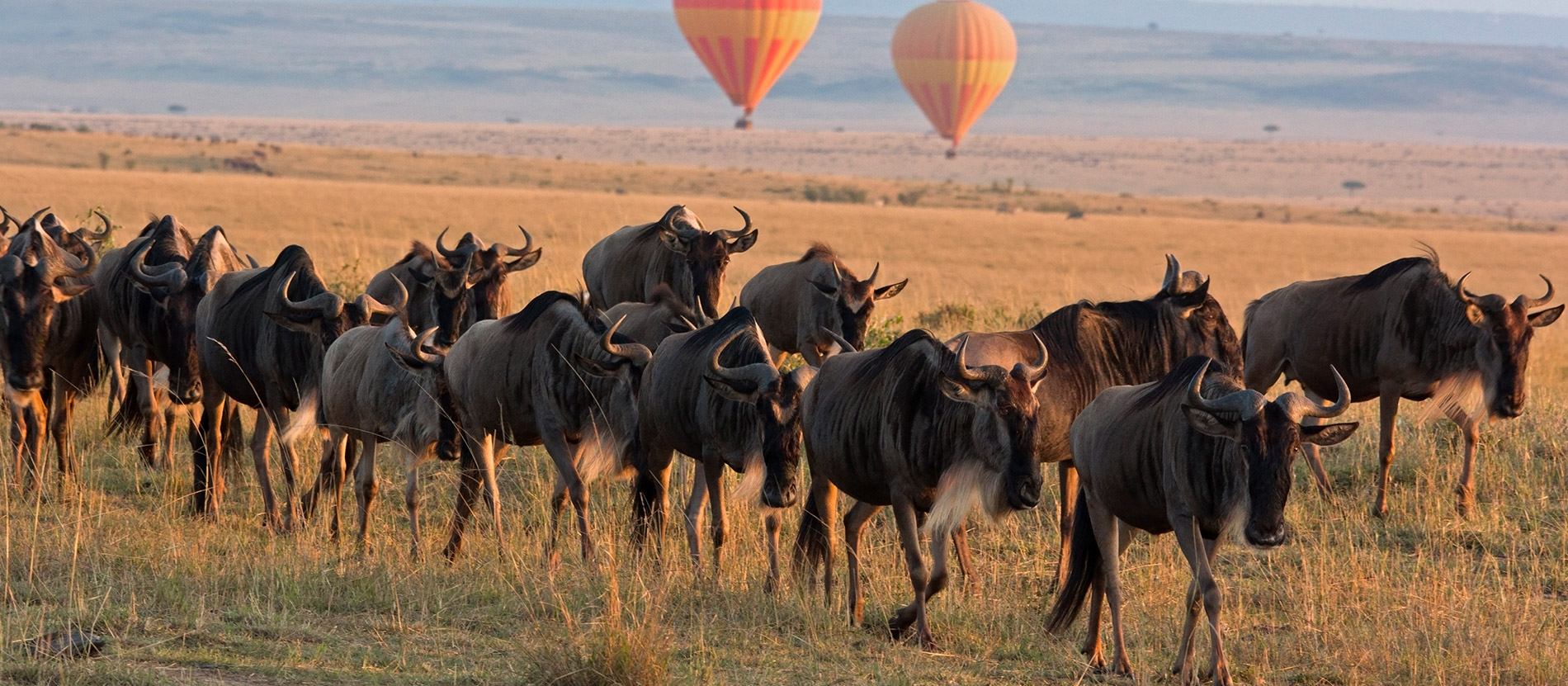
While spotting the 'Big Five'—lion, leopard, elephant, buffalo, and rhino—is a primary goal for many, Tanzania's wildlife extends far beyond these iconic animals. The country is home to vast herds of plains game, including wildebeest, zebra, and various antelope species. It also hosts unique and endangered species such as the African wild dog and the black rhinoceros. The sheer concentration of animals, particularly in the northern parks during the dry season, creates a wildlife viewing experience that is unmatched anywhere else in the world, marked by constant action and extraordinary biodiversity.
The Essential Role of Expert Guides
The true magic of an African safari is unlocked by the knowledge and expertise of your guide. A great guide is not merely a driver but a naturalist, a tracker, and a storyteller. They possess an intimate understanding of animal behavior, enabling them to anticipate movements and position the vehicle for the best viewing and photography angles. They can read the tracks in the dust, interpret the alarm calls of birds, and share fascinating insights into the intricate web of the ecosystem. Investing in a safari with top-tier guides is the single most important factor in ensuring an exceptional experience.
Accommodation: From Canvas to Castle
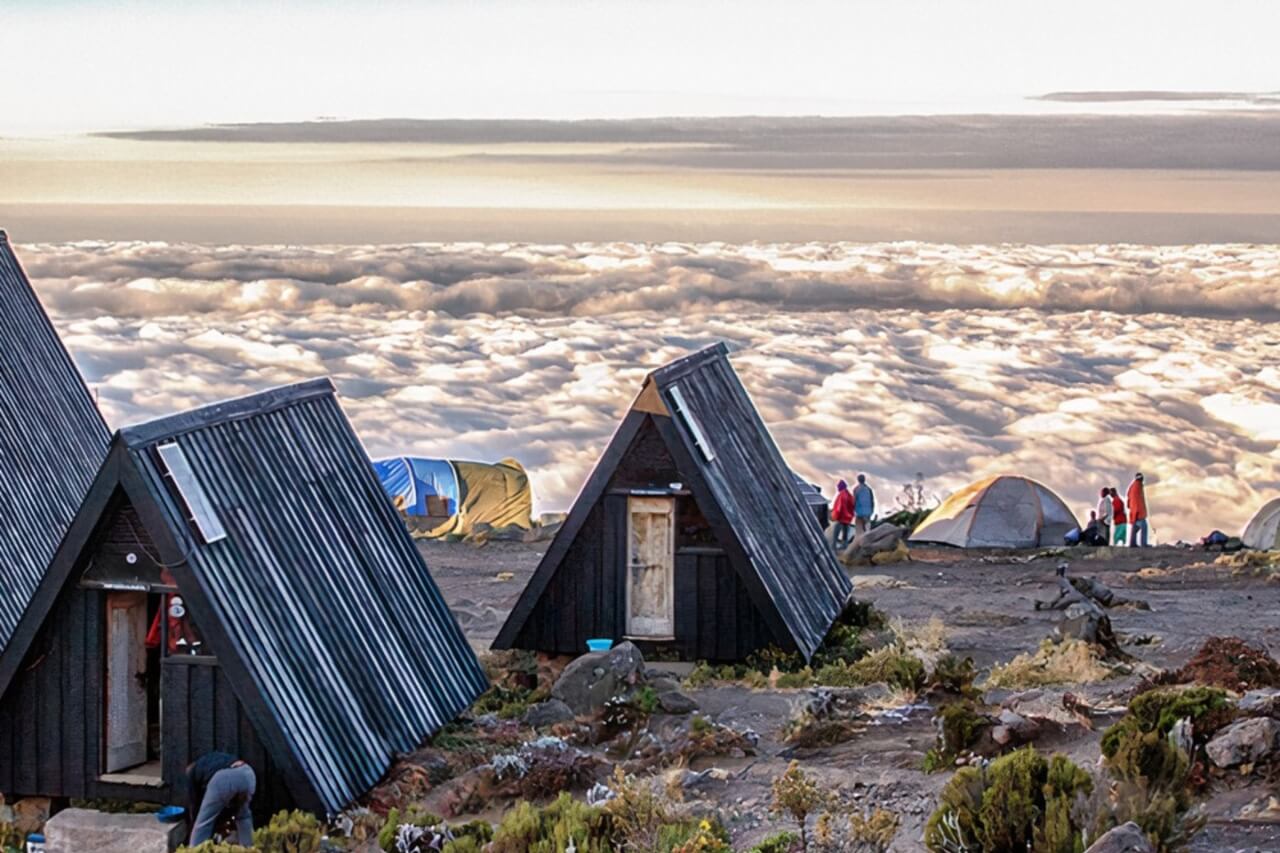
The accommodation options in Tanzania are as varied as its landscapes. You can choose to stay in mobile tented camps that move with the Great Migration, offering an authentic, close-to-nature experience without sacrificing comfort. Alternatively, permanent luxury lodges offer brick-and-mortar luxury, complete with spas, infinity pools, and fine dining. For the adventurous, lightweight fly-camping under the stars provides an exhilarating connection to the wilderness. The choice of accommodation greatly influences the style and feel of your safari, allowing you to tailor the trip to your personal comfort levels and preferences.
Combining Bush and Beach
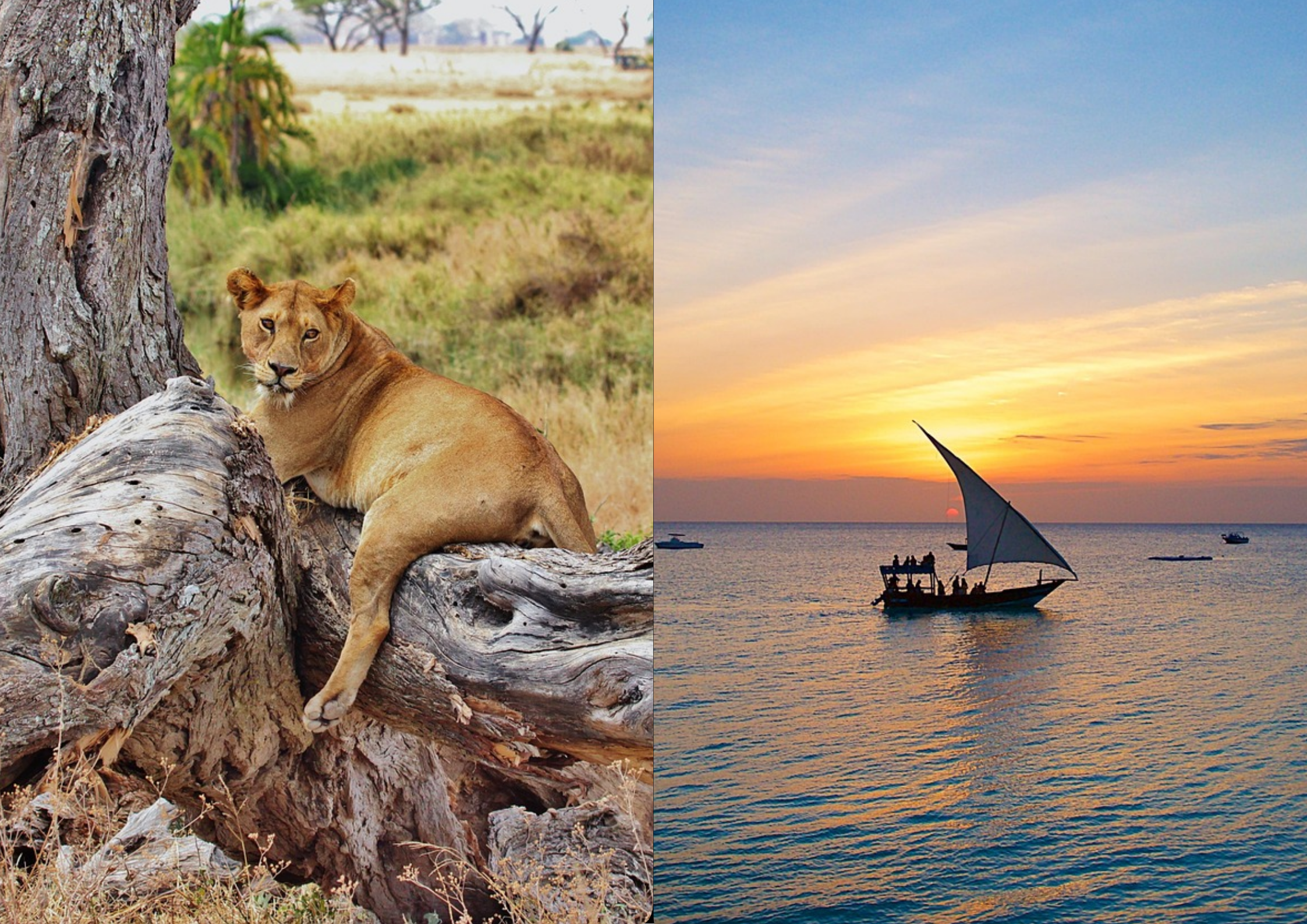
One of Tanzania's greatest advantages as a travel destination is the seamless ability to combine a thrilling, dusty safari with a pristine beach getaway. After days of early morning game drives and bouncing along dirt tracks, taking a short flight to the Spice Island of Zanzibar or the quieter islands of Pemba and Mafia offers the perfect antidote. Here, you can unwind on white-sand beaches, swim in warm, turquoise waters of the Indian Ocean, explore the historic alleys of Stone Town, and indulge in fresh, Swahili-inspired seafood.
Sustainable Tourism and Community Impact
As tourism is a primary economic driver in Tanzania, choosing to travel responsibly has a profound impact. Ethical tourism involves selecting operators and lodges that actively employ and empower local communities, respect the environment by minimizing their ecological footprint, and contribute to wildlife conservation efforts. By traveling sustainably, you ensure that the breathtaking landscapes and incredible wildlife you came to see are preserved for future generations, and that the communities sharing their land with the wildlife directly benefit from your visit.
Final Thoughts on the Ultimate Journey
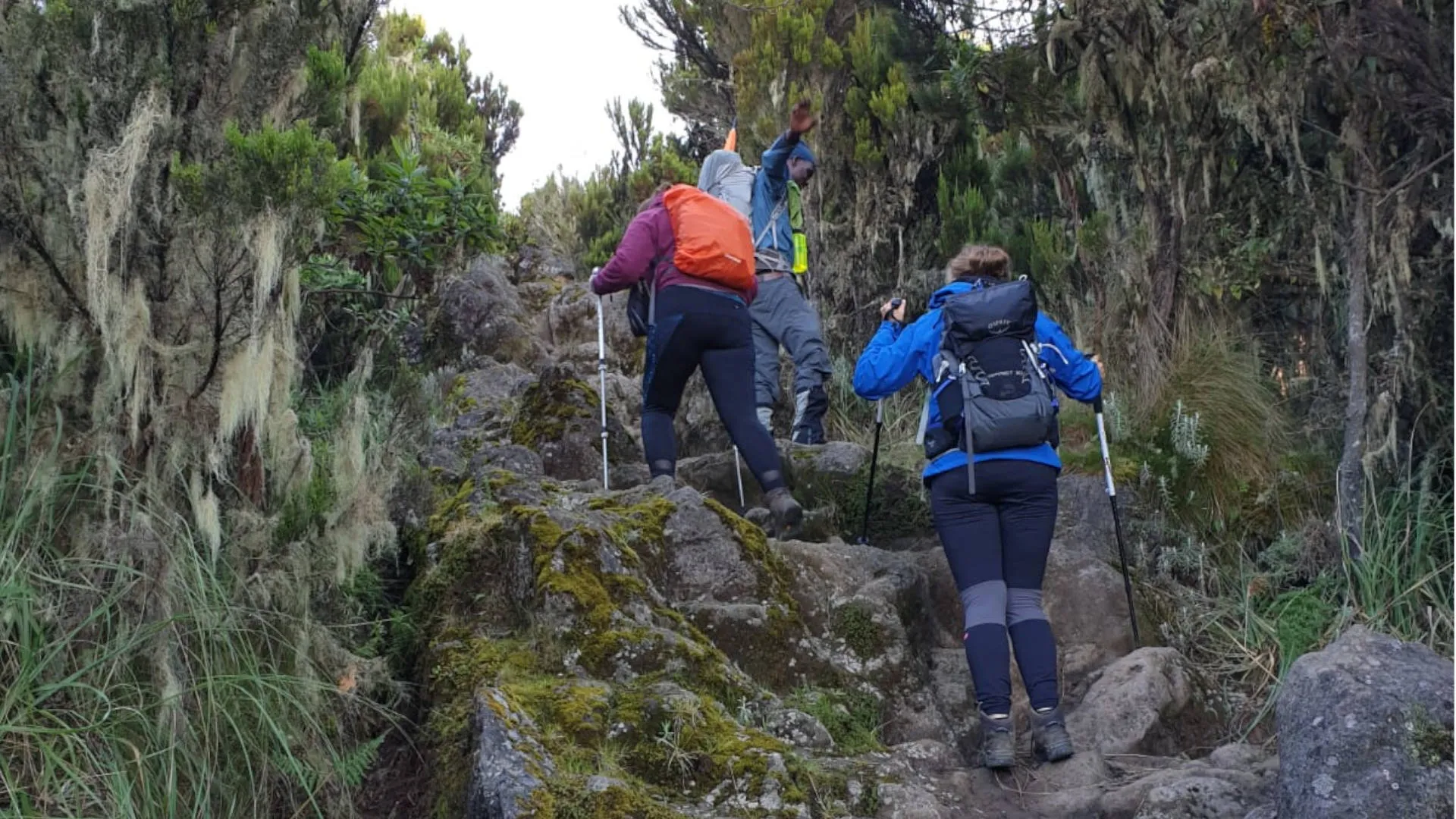
To travel to Tanzania is to connect with something ancient and profound. It is a place that challenges your perspectives, awakens your senses, and leaves a permanent mark on your soul. Whether you are staring down a steep mountain trail, watching a storm roll across the savannah, or observing a mother cheetah meticulously care for her cubs, the experiences gathered here are transformative. With careful planning, respect for the land, and a spirit of adventure, your Tanzanian journey will inevitably exceed even your wildest expectations.
Deep Dive: Important Considerations Part 1
When exploring topics like Bird Watching Safari in Tanzania – Best Locations, it is crucial to continually assess all variables. The landscape of travel in East Africa is dynamic, with seasonal shifts changing the accessibility and appeal of varying regions. For instance, the transition from the dry season to the green season fundamentally alters wildlife behavior, as herds disperse to take advantage of newfound water sources. This dispersion means that the density of wildlife in specific areas drops, but it also transforms the dry, dusty plains into a lush, vibrant green paradise, offering a completely different, yet equally beautiful, aesthetic. This period is also characterized by the dramatic birthing season, where thousands of young animals are introduced to the wilderness, setting the stage for gripping predator-prey interactions. The skies during the green season are highly dramatic, filled with towering cumulonimbus clouds that provide phenomenal backdrops for photography. Furthermore, the absence of peak season crowds means that you often have these incredible sightings entirely to yourself, fostering a deeply intimate connection with nature. Furthermore, the economic advantage of traveling outside of the peak months cannot be overstated, as many premium lodges offer significant reductions in their rates, making exclusive properties more accessible. It is these nuanced considerations that transform a standard trip into a masterfully orchestrated adventure.
Expert Advice and Pro Tips 1
Drawing from extensive field experience regarding Bird Watching Safari in Tanzania – Best Locations, practical preparation ensures smooth execution. One of the most common mistakes travelers make is overpacking, specifically bringing overly heavy or brightly colored clothing. The ideal safari wardrobe consists of lightweight, breathable fabrics in neutral tones such as khaki, green, or brown, which help blend into the environment and do not attract tsetse flies like dark blue or black fabrics do. Layering is key, as early morning game drives can be surprisingly chilly, while midday temperatures soar. Another pro tip involves photography. While smartphones have excellent cameras for static, wide-angle shots, capturing wildlife in detail often requires a dedicated camera with a telephoto lens (at least 300mm). Keeping your gear protected from the omnipresent dust is also essential; bringing a simple pillowcase or a dedicated dust cover for your camera can save your equipment. Mentally, the best preparation is to cultivate patience. Nature operates on its own schedule. You may spend hours waiting by a riverbank for a crossing that never happens, only to stumble upon a leopard hunting mere feet from the road minutes later. Embracing the unpredictability of the bush is the true essence of an authentic safari experience.
Deep Dive: Important Considerations Part 2
When exploring topics like Bird Watching Safari in Tanzania – Best Locations, it is crucial to continually assess all variables. The landscape of travel in East Africa is dynamic, with seasonal shifts changing the accessibility and appeal of varying regions. For instance, the transition from the dry season to the green season fundamentally alters wildlife behavior, as herds disperse to take advantage of newfound water sources. This dispersion means that the density of wildlife in specific areas drops, but it also transforms the dry, dusty plains into a lush, vibrant green paradise, offering a completely different, yet equally beautiful, aesthetic. This period is also characterized by the dramatic birthing season, where thousands of young animals are introduced to the wilderness, setting the stage for gripping predator-prey interactions. The skies during the green season are highly dramatic, filled with towering cumulonimbus clouds that provide phenomenal backdrops for photography. Furthermore, the absence of peak season crowds means that you often have these incredible sightings entirely to yourself, fostering a deeply intimate connection with nature. Furthermore, the economic advantage of traveling outside of the peak months cannot be overstated, as many premium lodges offer significant reductions in their rates, making exclusive properties more accessible. It is these nuanced considerations that transform a standard trip into a masterfully orchestrated adventure.
Expert Advice and Pro Tips 2
Drawing from extensive field experience regarding Bird Watching Safari in Tanzania – Best Locations, practical preparation ensures smooth execution. One of the most common mistakes travelers make is overpacking, specifically bringing overly heavy or brightly colored clothing. The ideal safari wardrobe consists of lightweight, breathable fabrics in neutral tones such as khaki, green, or brown, which help blend into the environment and do not attract tsetse flies like dark blue or black fabrics do. Layering is key, as early morning game drives can be surprisingly chilly, while midday temperatures soar. Another pro tip involves photography. While smartphones have excellent cameras for static, wide-angle shots, capturing wildlife in detail often requires a dedicated camera with a telephoto lens (at least 300mm). Keeping your gear protected from the omnipresent dust is also essential; bringing a simple pillowcase or a dedicated dust cover for your camera can save your equipment. Mentally, the best preparation is to cultivate patience. Nature operates on its own schedule. You may spend hours waiting by a riverbank for a crossing that never happens, only to stumble upon a leopard hunting mere feet from the road minutes later. Embracing the unpredictability of the bush is the true essence of an authentic safari experience.
Deep Dive: Important Considerations Part 3
When exploring topics like Bird Watching Safari in Tanzania – Best Locations, it is crucial to continually assess all variables. The landscape of travel in East Africa is dynamic, with seasonal shifts changing the accessibility and appeal of varying regions. For instance, the transition from the dry season to the green season fundamentally alters wildlife behavior, as herds disperse to take advantage of newfound water sources. This dispersion means that the density of wildlife in specific areas drops, but it also transforms the dry, dusty plains into a lush, vibrant green paradise, offering a completely different, yet equally beautiful, aesthetic. This period is also characterized by the dramatic birthing season, where thousands of young animals are introduced to the wilderness, setting the stage for gripping predator-prey interactions. The skies during the green season are highly dramatic, filled with towering cumulonimbus clouds that provide phenomenal backdrops for photography. Furthermore, the absence of peak season crowds means that you often have these incredible sightings entirely to yourself, fostering a deeply intimate connection with nature. Furthermore, the economic advantage of traveling outside of the peak months cannot be overstated, as many premium lodges offer significant reductions in their rates, making exclusive properties more accessible. It is these nuanced considerations that transform a standard trip into a masterfully orchestrated adventure.
Expert Advice and Pro Tips 3
Drawing from extensive field experience regarding Bird Watching Safari in Tanzania – Best Locations, practical preparation ensures smooth execution. One of the most common mistakes travelers make is overpacking, specifically bringing overly heavy or brightly colored clothing. The ideal safari wardrobe consists of lightweight, breathable fabrics in neutral tones such as khaki, green, or brown, which help blend into the environment and do not attract tsetse flies like dark blue or black fabrics do. Layering is key, as early morning game drives can be surprisingly chilly, while midday temperatures soar. Another pro tip involves photography. While smartphones have excellent cameras for static, wide-angle shots, capturing wildlife in detail often requires a dedicated camera with a telephoto lens (at least 300mm). Keeping your gear protected from the omnipresent dust is also essential; bringing a simple pillowcase or a dedicated dust cover for your camera can save your equipment. Mentally, the best preparation is to cultivate patience. Nature operates on its own schedule. You may spend hours waiting by a riverbank for a crossing that never happens, only to stumble upon a leopard hunting mere feet from the road minutes later. Embracing the unpredictability of the bush is the true essence of an authentic safari experience.
Deep Dive: Important Considerations Part 4
When exploring topics like Bird Watching Safari in Tanzania – Best Locations, it is crucial to continually assess all variables. The landscape of travel in East Africa is dynamic, with seasonal shifts changing the accessibility and appeal of varying regions. For instance, the transition from the dry season to the green season fundamentally alters wildlife behavior, as herds disperse to take advantage of newfound water sources. This dispersion means that the density of wildlife in specific areas drops, but it also transforms the dry, dusty plains into a lush, vibrant green paradise, offering a completely different, yet equally beautiful, aesthetic. This period is also characterized by the dramatic birthing season, where thousands of young animals are introduced to the wilderness, setting the stage for gripping predator-prey interactions. The skies during the green season are highly dramatic, filled with towering cumulonimbus clouds that provide phenomenal backdrops for photography. Furthermore, the absence of peak season crowds means that you often have these incredible sightings entirely to yourself, fostering a deeply intimate connection with nature. Furthermore, the economic advantage of traveling outside of the peak months cannot be overstated, as many premium lodges offer significant reductions in their rates, making exclusive properties more accessible. It is these nuanced considerations that transform a standard trip into a masterfully orchestrated adventure.
Expert Advice and Pro Tips 4
Drawing from extensive field experience regarding Bird Watching Safari in Tanzania – Best Locations, practical preparation ensures smooth execution. One of the most common mistakes travelers make is overpacking, specifically bringing overly heavy or brightly colored clothing. The ideal safari wardrobe consists of lightweight, breathable fabrics in neutral tones such as khaki, green, or brown, which help blend into the environment and do not attract tsetse flies like dark blue or black fabrics do. Layering is key, as early morning game drives can be surprisingly chilly, while midday temperatures soar. Another pro tip involves photography. While smartphones have excellent cameras for static, wide-angle shots, capturing wildlife in detail often requires a dedicated camera with a telephoto lens (at least 300mm). Keeping your gear protected from the omnipresent dust is also essential; bringing a simple pillowcase or a dedicated dust cover for your camera can save your equipment. Mentally, the best preparation is to cultivate patience. Nature operates on its own schedule. You may spend hours waiting by a riverbank for a crossing that never happens, only to stumble upon a leopard hunting mere feet from the road minutes later. Embracing the unpredictability of the bush is the true essence of an authentic safari experience.
Deep Dive: Important Considerations Part 5
When exploring topics like Bird Watching Safari in Tanzania – Best Locations, it is crucial to continually assess all variables. The landscape of travel in East Africa is dynamic, with seasonal shifts changing the accessibility and appeal of varying regions. For instance, the transition from the dry season to the green season fundamentally alters wildlife behavior, as herds disperse to take advantage of newfound water sources. This dispersion means that the density of wildlife in specific areas drops, but it also transforms the dry, dusty plains into a lush, vibrant green paradise, offering a completely different, yet equally beautiful, aesthetic. This period is also characterized by the dramatic birthing season, where thousands of young animals are introduced to the wilderness, setting the stage for gripping predator-prey interactions. The skies during the green season are highly dramatic, filled with towering cumulonimbus clouds that provide phenomenal backdrops for photography. Furthermore, the absence of peak season crowds means that you often have these incredible sightings entirely to yourself, fostering a deeply intimate connection with nature. Furthermore, the economic advantage of traveling outside of the peak months cannot be overstated, as many premium lodges offer significant reductions in their rates, making exclusive properties more accessible. It is these nuanced considerations that transform a standard trip into a masterfully orchestrated adventure.
Expert Advice and Pro Tips 5
Drawing from extensive field experience regarding Bird Watching Safari in Tanzania – Best Locations, practical preparation ensures smooth execution. One of the most common mistakes travelers make is overpacking, specifically bringing overly heavy or brightly colored clothing. The ideal safari wardrobe consists of lightweight, breathable fabrics in neutral tones such as khaki, green, or brown, which help blend into the environment and do not attract tsetse flies like dark blue or black fabrics do. Layering is key, as early morning game drives can be surprisingly chilly, while midday temperatures soar. Another pro tip involves photography. While smartphones have excellent cameras for static, wide-angle shots, capturing wildlife in detail often requires a dedicated camera with a telephoto lens (at least 300mm). Keeping your gear protected from the omnipresent dust is also essential; bringing a simple pillowcase or a dedicated dust cover for your camera can save your equipment. Mentally, the best preparation is to cultivate patience. Nature operates on its own schedule. You may spend hours waiting by a riverbank for a crossing that never happens, only to stumble upon a leopard hunting mere feet from the road minutes later. Embracing the unpredictability of the bush is the true essence of an authentic safari experience.

Ready to Experience Tanzania?
Let our experts design the perfect itinerary tailored to your exact preferences.