 chipmunkexpeditions@gmail.com
 +255 628 030 877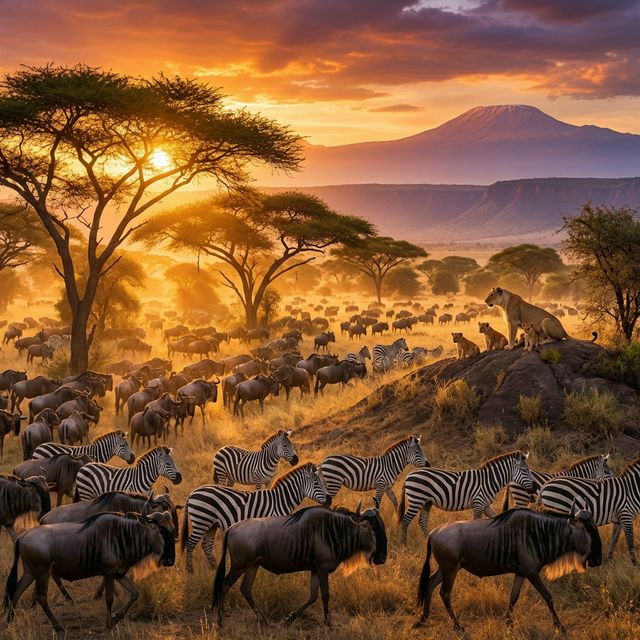

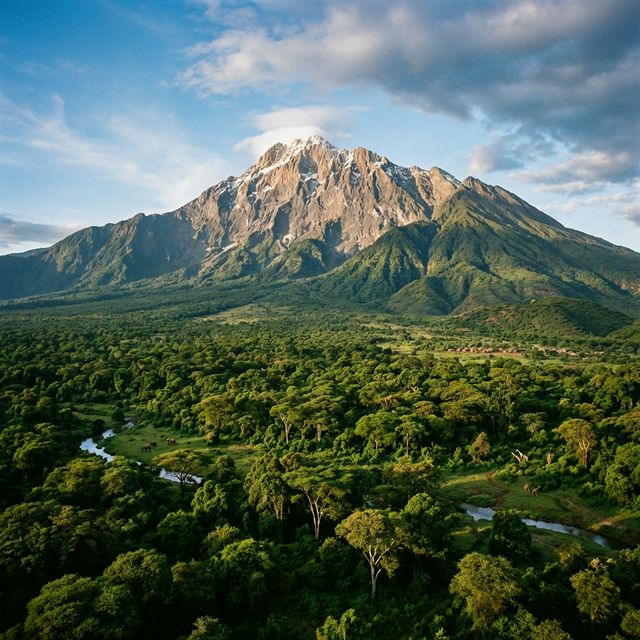

Tanzania is a year-round destination, but choosing the right time to visit can dramatically improve your safari experience, migration sightings, and overall value for money. Whether you're chasing wildebeest river crossings in the Serengeti, seeking a summit of Kilimanjaro, or unwinding on Zanzibar's powder-white beaches, timing your trip strategically makes all the difference.
In this comprehensive guide, the expert team at Chipmunk Expeditions breaks down every month of the year so you can make the most informed decision for your Tanzania adventure.
Tanzania's Two Main Seasons
Tanzania broadly has two seasons that affect safari planning:
- Dry Season (June–October): The peak safari season when wildlife congregates around water sources, vegetation is sparse for easy game viewing, and roads are accessible.
- Green Season / Wet Season (November–May): Lush landscapes, newborn animals, fewer tourists, and lower prices — but some roads can become impassable and some remote camps close.
🌟 Quick Answer: The Best Overall Months
For most travelers, July to September offers the best all-round Tanzania experience — excellent weather, peak wildlife viewing, and the chance to witness the Great Migration river crossings in Serengeti. For budget travelers, November and March/April offer tremendous value with far fewer crowds.
Month-by-Month Guide to Tanzania
January & February
Short dry spell. Excellent for wildebeest calving in southern Serengeti. Hot and lush. Great for Kilimanjaro climbing.
March & April
Long rains begin. Some lodges close. Green season bargains available. Fewer tourists. Good birding.
May
Tail end of rains. Exceptional green scenery. Great migration moves north. Prices start rising.
June
Dry season begins. Wildlife excellent. Migration crosses into northern Serengeti. Ideal for photography.
July & August
Peak season. River crossings at their most dramatic. Perfect weather. Book well in advance.
September & October
Still excellent. Migration begins returning south. Fewer crowds than July/August.
November
Short rains. Dramatic skies. Wildebeest return to southern Serengeti. Great photography season.
December
Short rains ease. Festive season. Christmas and New Year popular — book early. Calving starts.
Best Time for the Great Migration
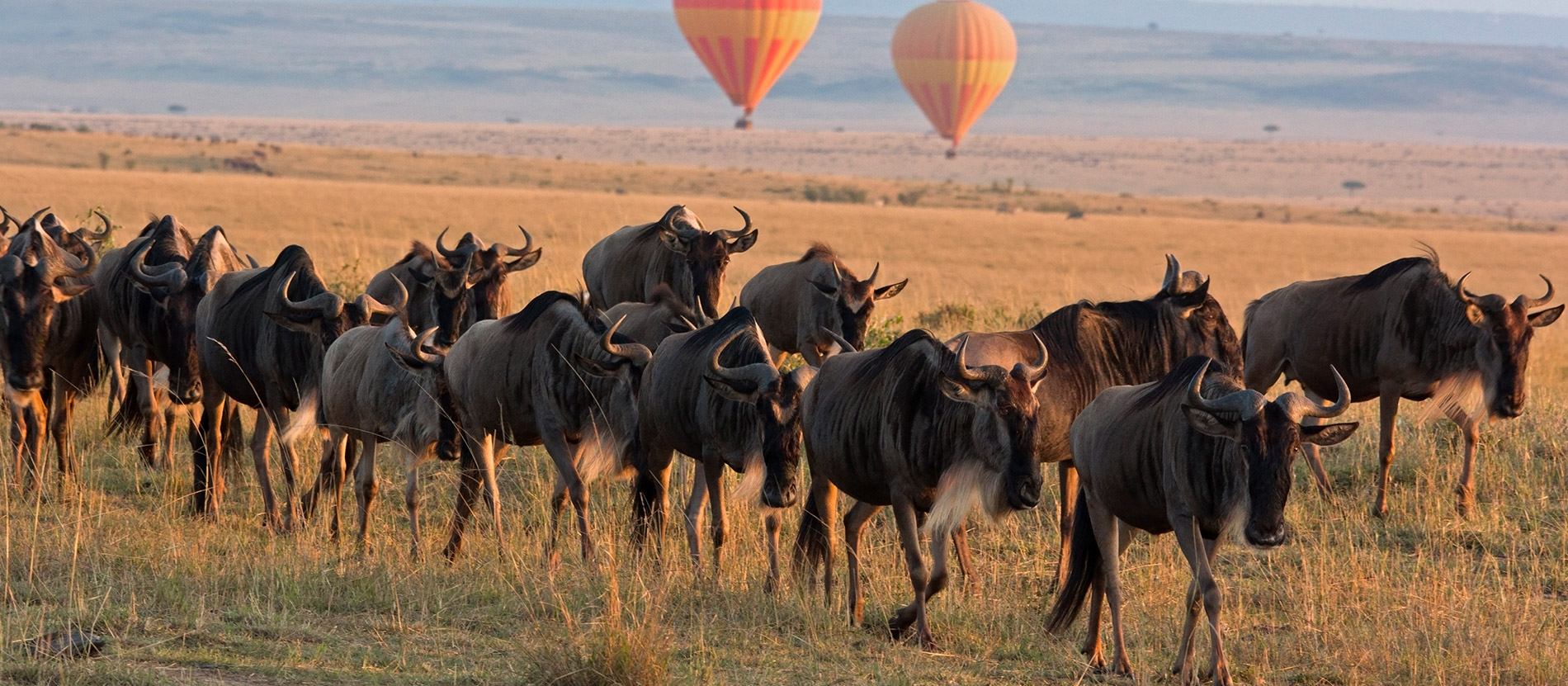
The Great Migration is the world's largest wildlife spectacle — over 1.5 million wildebeest and 500,000 zebras circle continuously through the Serengeti-Mara ecosystem. Here's how to time it:
- January–March: Calving season in Ndutu (southern Serengeti). Newborn wildebeest attract lions, cheetahs, and hyenas — spectacular predator action.
- April–May: The herds are on the move through central Serengeti heading north. Wet weather but dramatic landscape.
- June–July: The migration reaches the northern Serengeti. Mara River crossings begin — the most dramatic event in African wildlife.
- August–October: Peak crossing season at the Mara River. This is when iconic images are captured. Extremely popular — book 12+ months ahead.
- November–December: Herds move south again through central Serengeti and return to southern plains for the calving cycle to repeat.
📍 Pro Tip: No Guaranteed Crossings
River crossings are unpredictable — herds may wait days or weeks before crossing. The best strategy is to spend 3–5 nights in the northern Serengeti during July–September to maximize your odds. Our Serengeti River Crossing Guide explains exactly how to position yourself for the best chance.
Best Time for Ngorongoro Crater
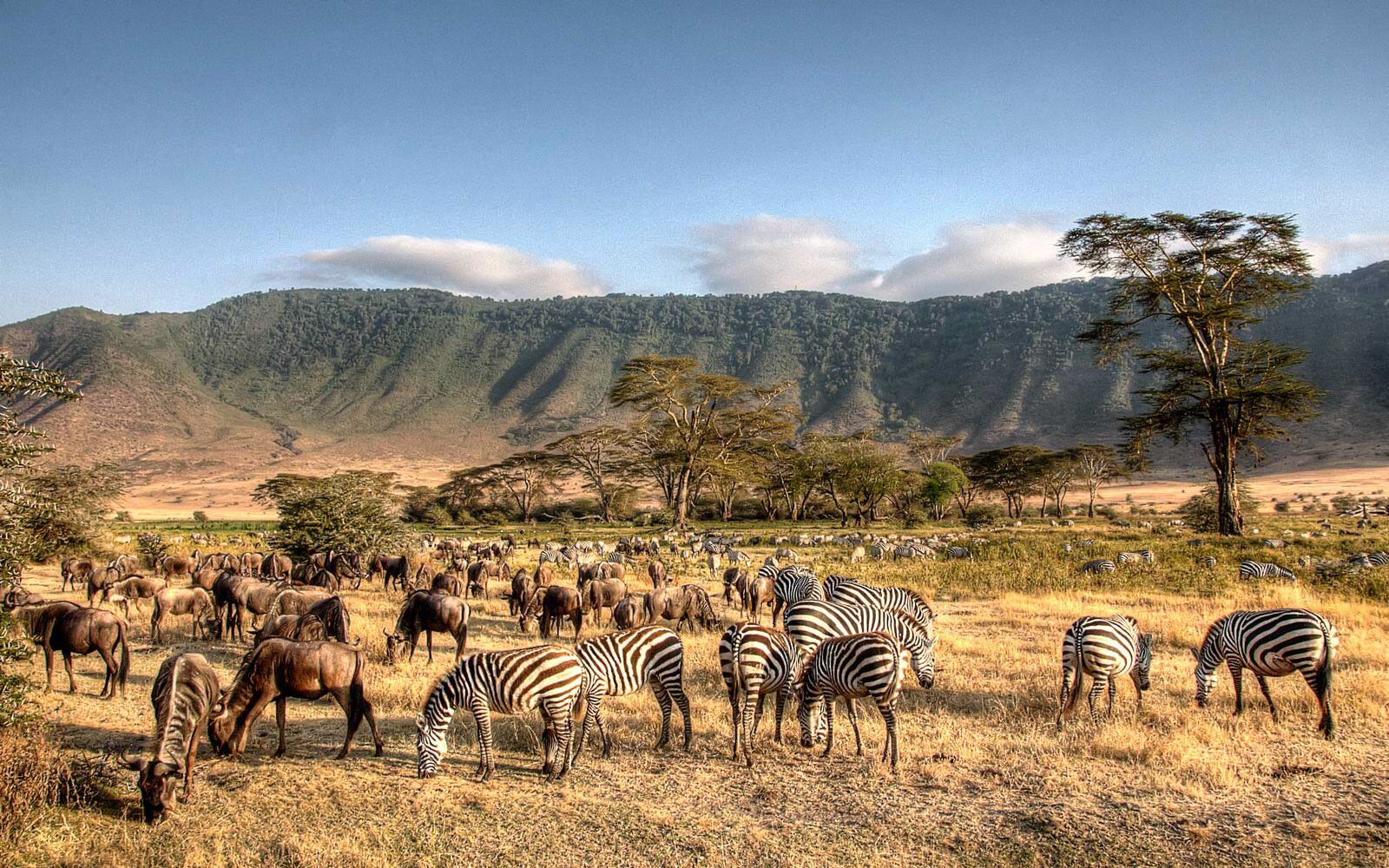
The Ngorongoro Crater can be visited year-round thanks to its self-contained ecosystem. However:
- June–October: Clear skies, cool conditions at the rim, excellent wildlife visibility on the crater floor.
- January–March: Some rainfall but good for birthing season — baby wildebeest, zebra foals, and playful predator action.
- April–May: Best avoided due to heavy rains making the crater roads extremely muddy and slippery.
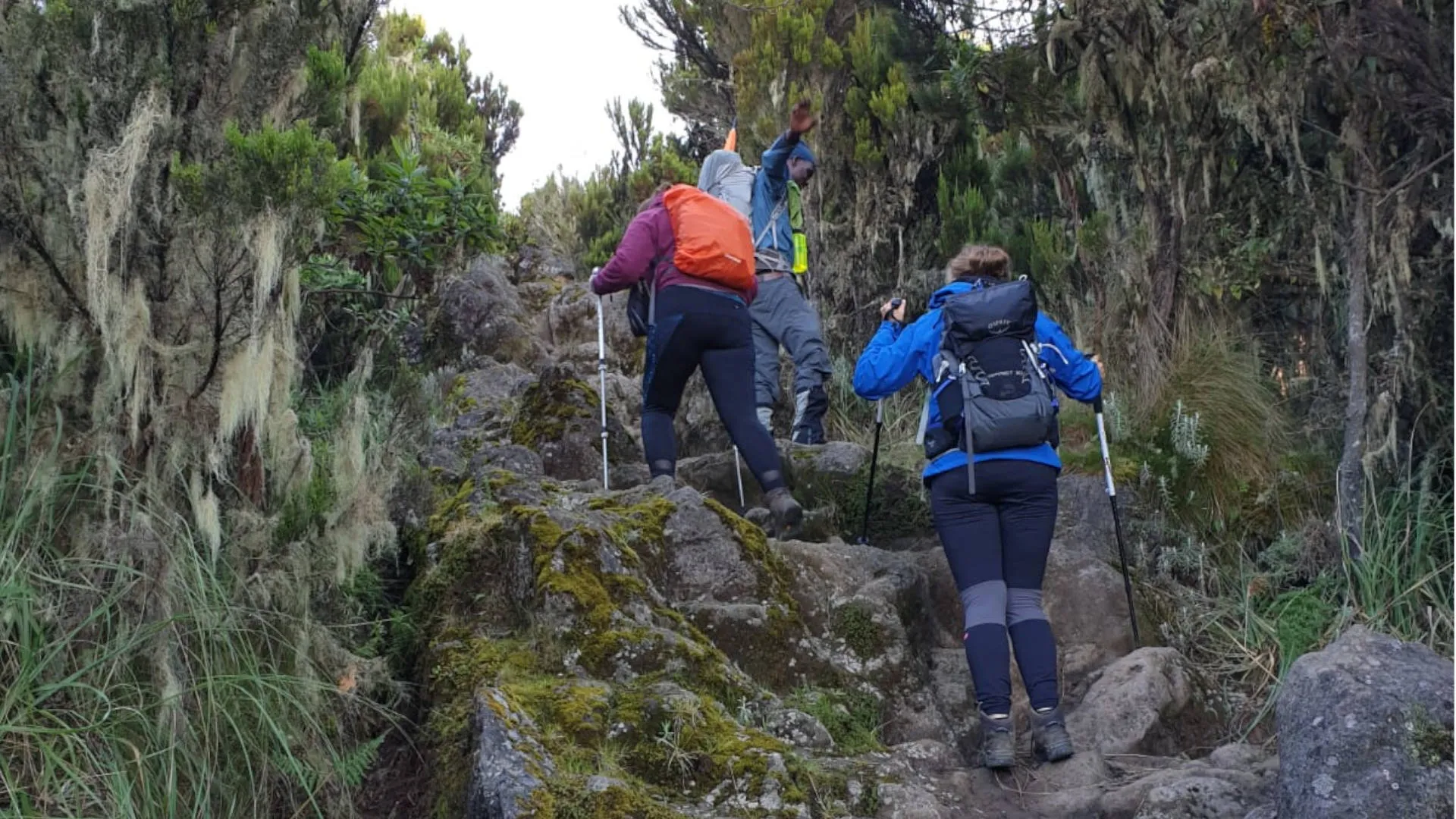
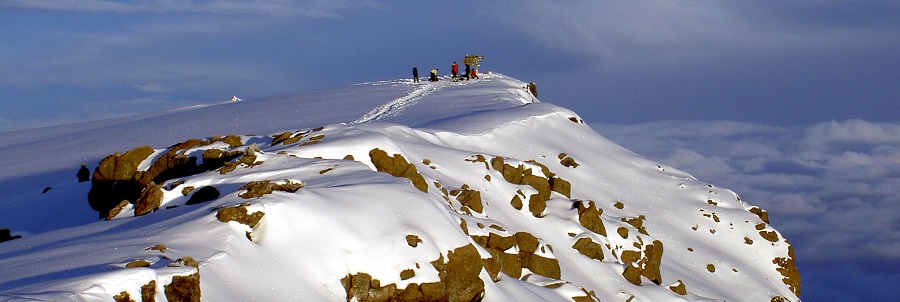
Best Time to Climb Kilimanjaro
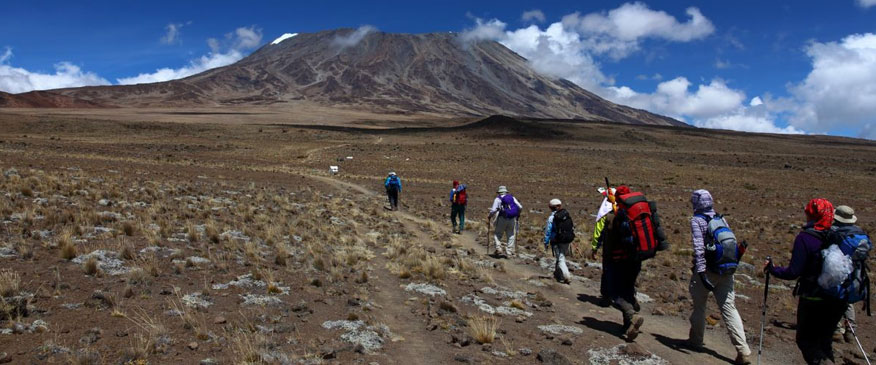
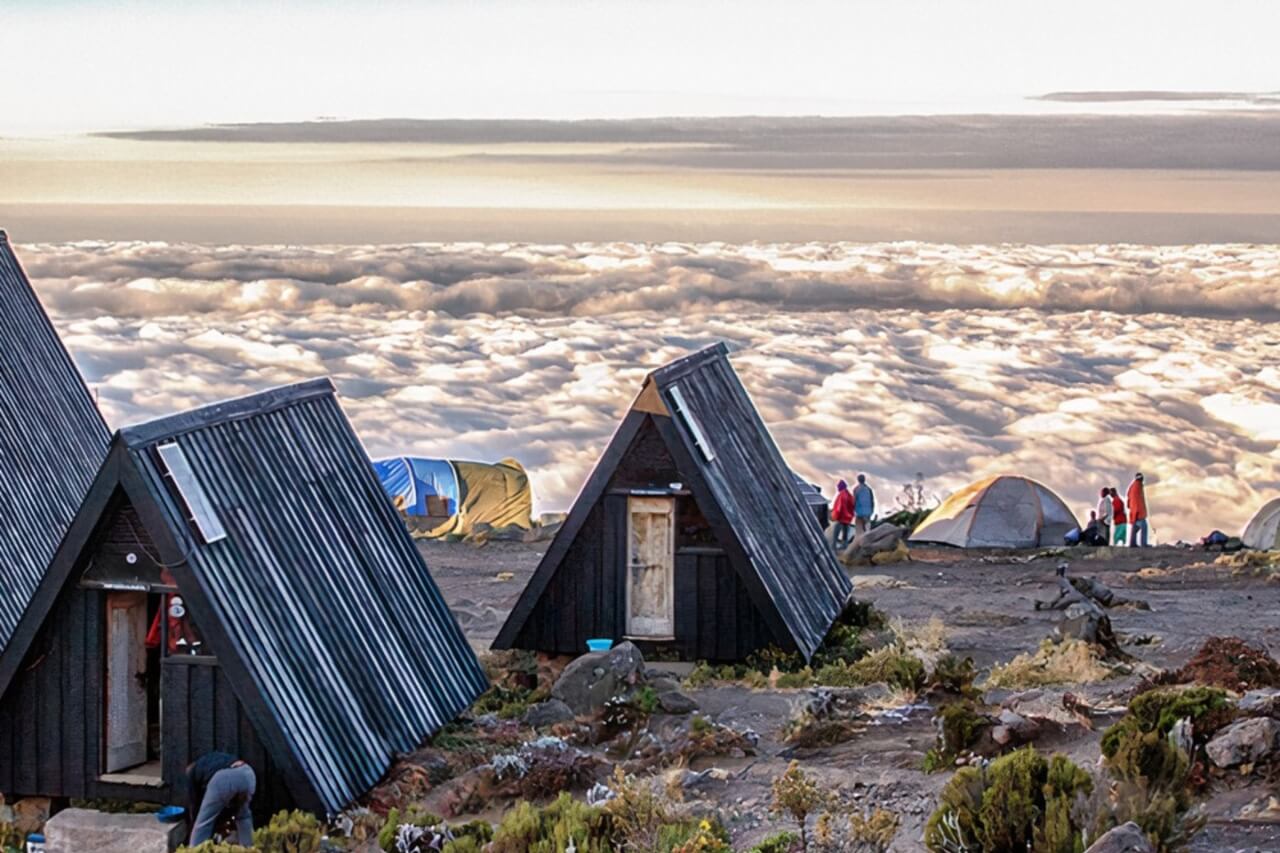
Mount Kilimanjaro can be climbed year-round, but success rates are highest during the two dry seasons:
- January–March: The clearer of the two dry periods. Cold nights but excellent summit views. January is the best month overall.
- June–October: The other prime climbing window. July–September are the driest months. Extremely popular — the mountain is busiest during this period.
Learn more in our complete Kilimanjaro Climbing Guide and Routes Comparison.
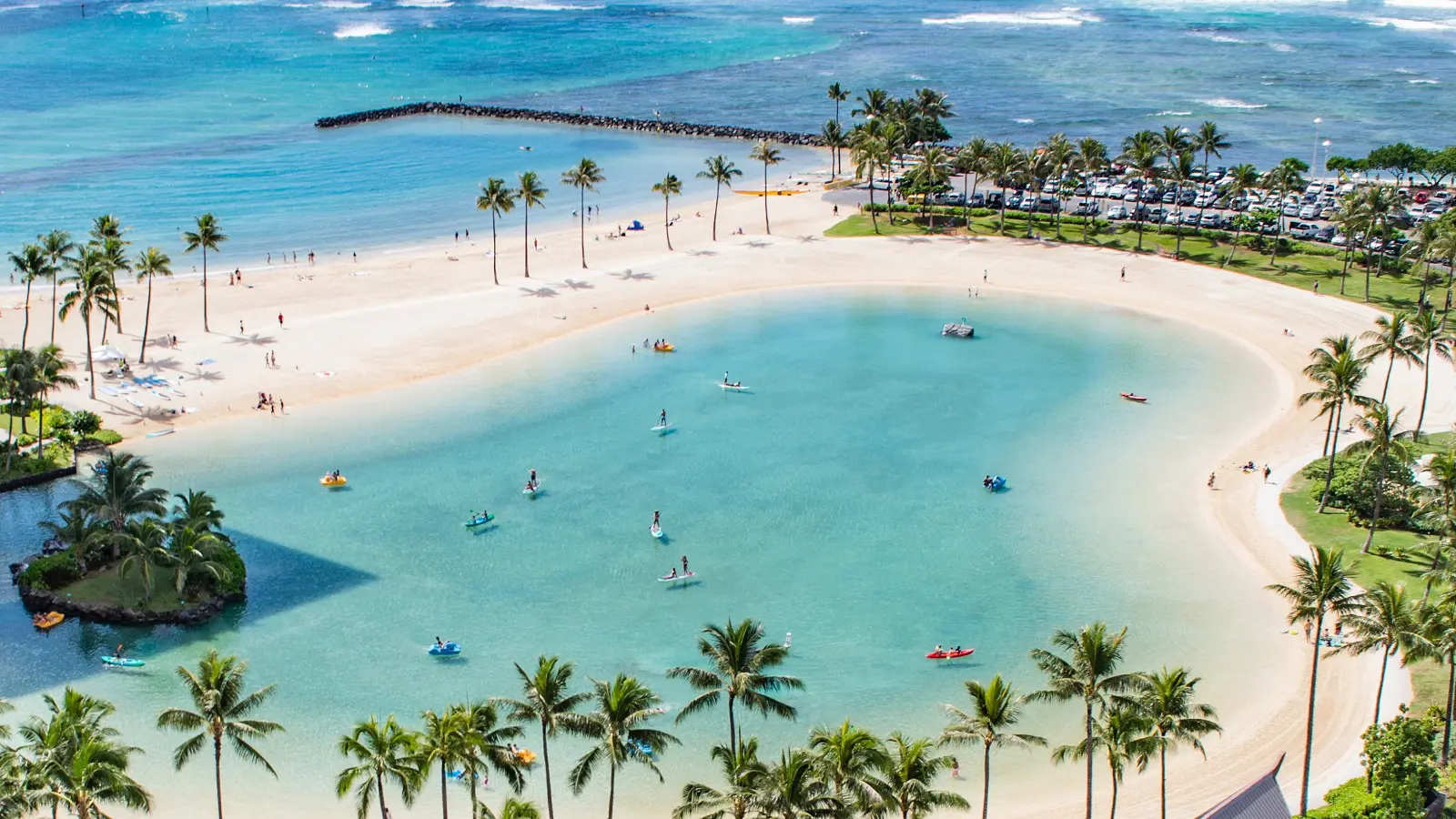
Best Time for Zanzibar
Zanzibar's climate is influenced by the Indian Ocean. For beach holidays:
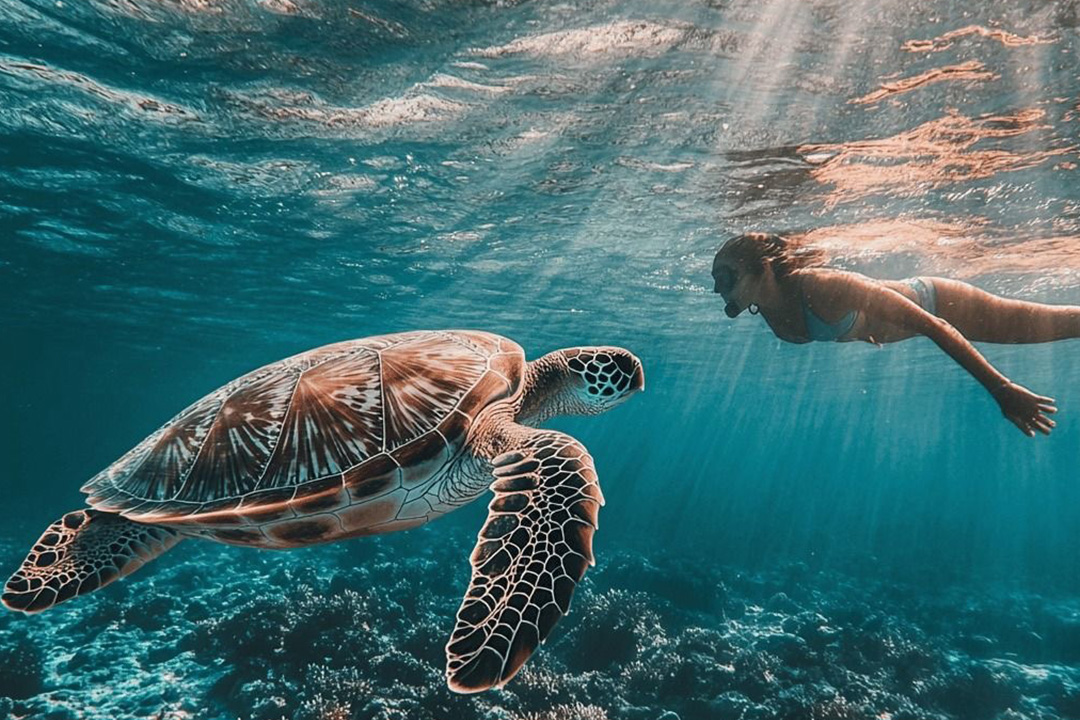
- June–October: The coolest, driest months. Perfect for beach activities, diving, and snorkeling.
- December–February: Hot but predominantly dry. Excellent for combining with a northern circuit safari.
- March–May: Long rains — avoid if possible as heavy downpours can disrupt beach plans.
Explore our complete Zanzibar Travel Guide for more details on planning your island visit.
Budget Travelers: When to Get the Best Deals
If value-for-money is your priority, consider these "shoulder" and "green" season periods:
- March–May (Green Season): Prices drop by 20–40% at most lodges. Fewer tourists. The Serengeti is lush and beautiful. Many premium camps offer excellent green season rates.
- November: Short rains but often dramatic skies. Prices are lower, and wildlife viewing remains excellent.
Our Budget Safari Tanzania Guide has more tips on reducing costs without compromising experience.
Wildlife Highlights by Month
Best for Big Cats
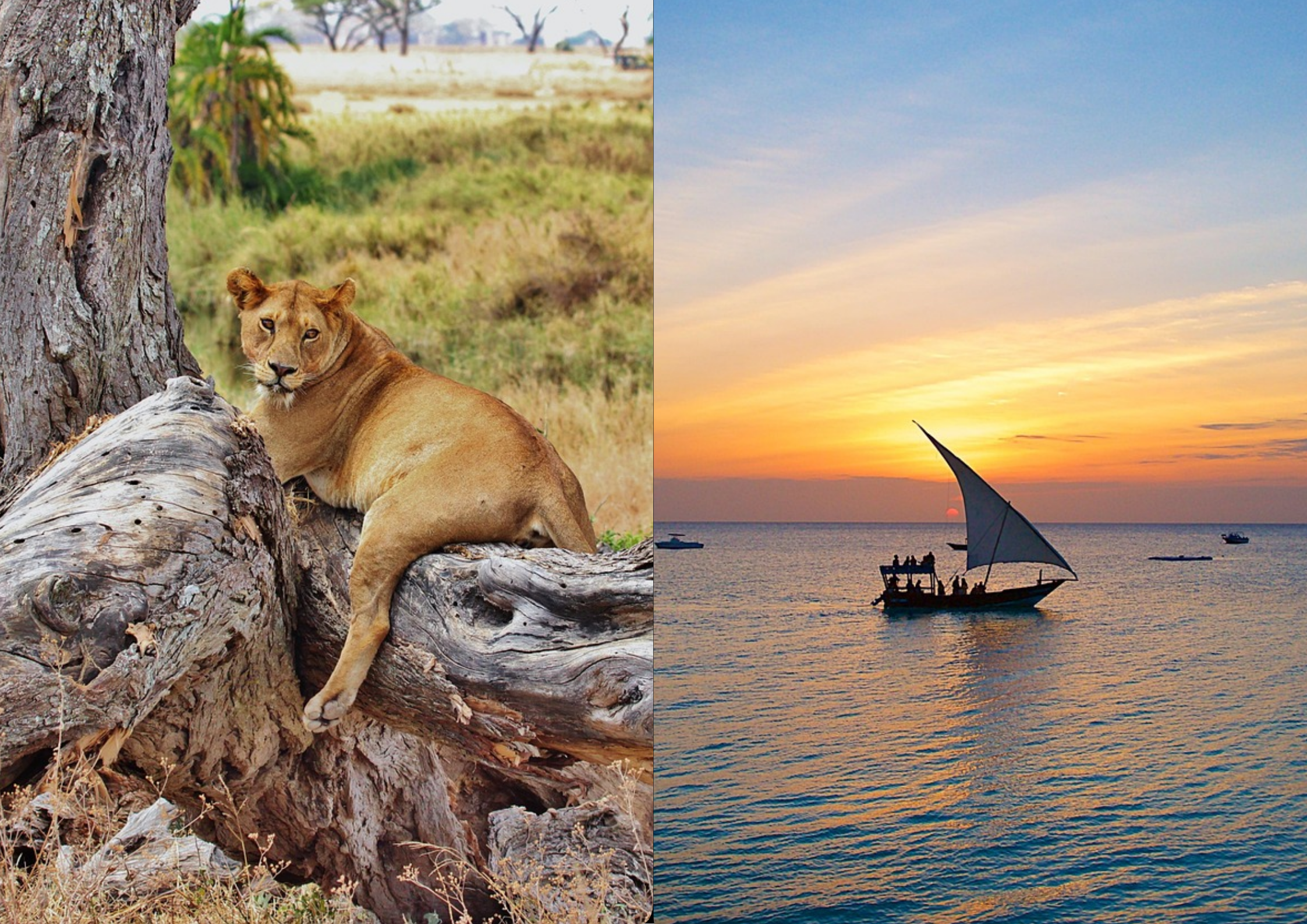
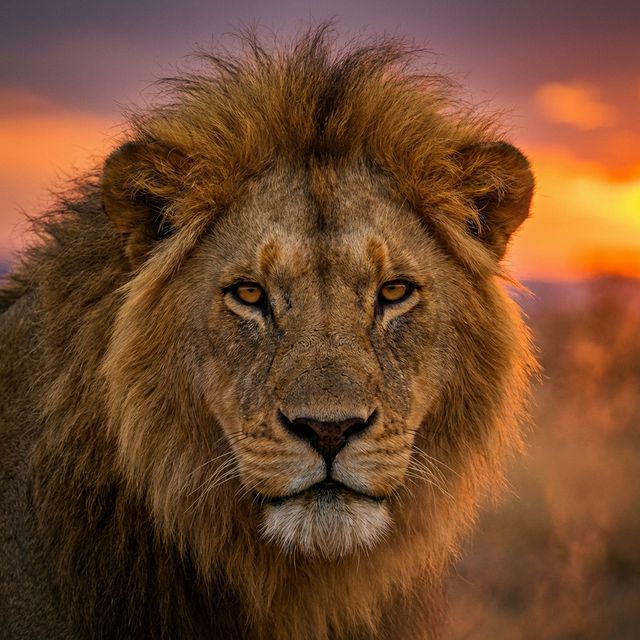
Lions, leopards, and cheetahs are present throughout the year in Serengeti and Ngorongoro. However, predator activity peaks during calving season (January–February) and the migration (June–October) when prey is abundant and concentrated. The Lions of Serengeti are particularly active during these months.
Best for Elephants
Tarangire is the crown jewel for elephant viewing, particularly during the dry season (July–October) when hundreds of elephants converge on the Tarangire River. Read our dedicated Elephant Migration in Tarangire article for details.
Best for Birds
Tanzania has over 1,100 bird species. The green season (November–April) is prime for birdwatching as migratory species are present and breeding plumage is at its finest. See our Bird Watching Safari Tanzania Guide.
⚠️ Book Early for Peak Season
The best lodges and camps during July–September get fully booked 12–18 months in advance. If you plan to travel during peak season, contact us as early as possible to secure your preferred accommodation.
Our Recommendation: When to Visit Tanzania
After guiding thousands of travelers through Tanzania, our recommendation depends on your priorities:
- 🦁 Best for wildlife overall: June–October
- 🌊 Best for the migration: July–August (river crossings) or January–February (calving)
- 🏔️ Best for Kilimanjaro: January–March or July–October
- 🏖️ Best for Zanzibar: June–October or December–January
- 💰 Best for budget: March–May or November
- 📷 Best for photography: January–February (calving) or July–September (crossings)
No matter when you visit, Tanzania will deliver extraordinary wildlife encounters and breathtaking landscapes. The key is matching your expectations and interests to the right season. Our expert team at Chipmunk Expeditions is ready to help you design the perfect itinerary tailored to your travel dates.

Ready to Plan Your Tanzania Safari?
Tell us when you'd like to travel and we'll build you a custom itinerary perfectly timed for the best experiences.