
 chipmunkexpeditions@gmail.com
 +255 628 030 877


Understanding the Tropical Cycle
Tanzania’s climate is primarily tropical, but its diverse topography—from the coral reefs of the Indian Ocean to the snow-capped summit of Mount Kilimanjaro—means you can experience multiple weather zones in a single trip.
Unlike the four seasons familiar to temperate regions, Tanzania’s calendar is defined by the "Rainy" and "Dry" seasons. At Chipmunk Expeditions, we help our guests prepare for these fluctuations to ensure they stay comfortable regardless of the forecast.
1. The Four-Season Cycle
The Long Dry Season (June to October)
This is the most stable weather of the year. Expect clear skies, bright sunshine, and low humidity. This period coincides with the "winter" in the southern hemisphere, so while the sun is strong, the air temperature is very comfortable. Average highs on the mainland are around 25°C - 27°C (77°F - 81°F).
The Short Rains (November to December)
Often referred to as the "Vuli" rains, these are generally light and brief afternoon or evening showers. They rarely impact safari plans significantly but do help refresh the landscape after the long dry period.
The Short Dry Season (January to March)
The heat starts to build up during these months, leading into the main rainy season. Humidity increases on the coast, while the safari parks remain mostly dry and green. It's an excellent time for those who enjoy warmer weather.
The Long Rains (April to May)
Known as the "Masika," these are the heavy monsoon rains. Many areas receive high rainfall during this period. While some properties close for renovation, it is also the "emerald season" where the scenery is at its most spectacular and the parks are nearly empty.
2. Regional Variations
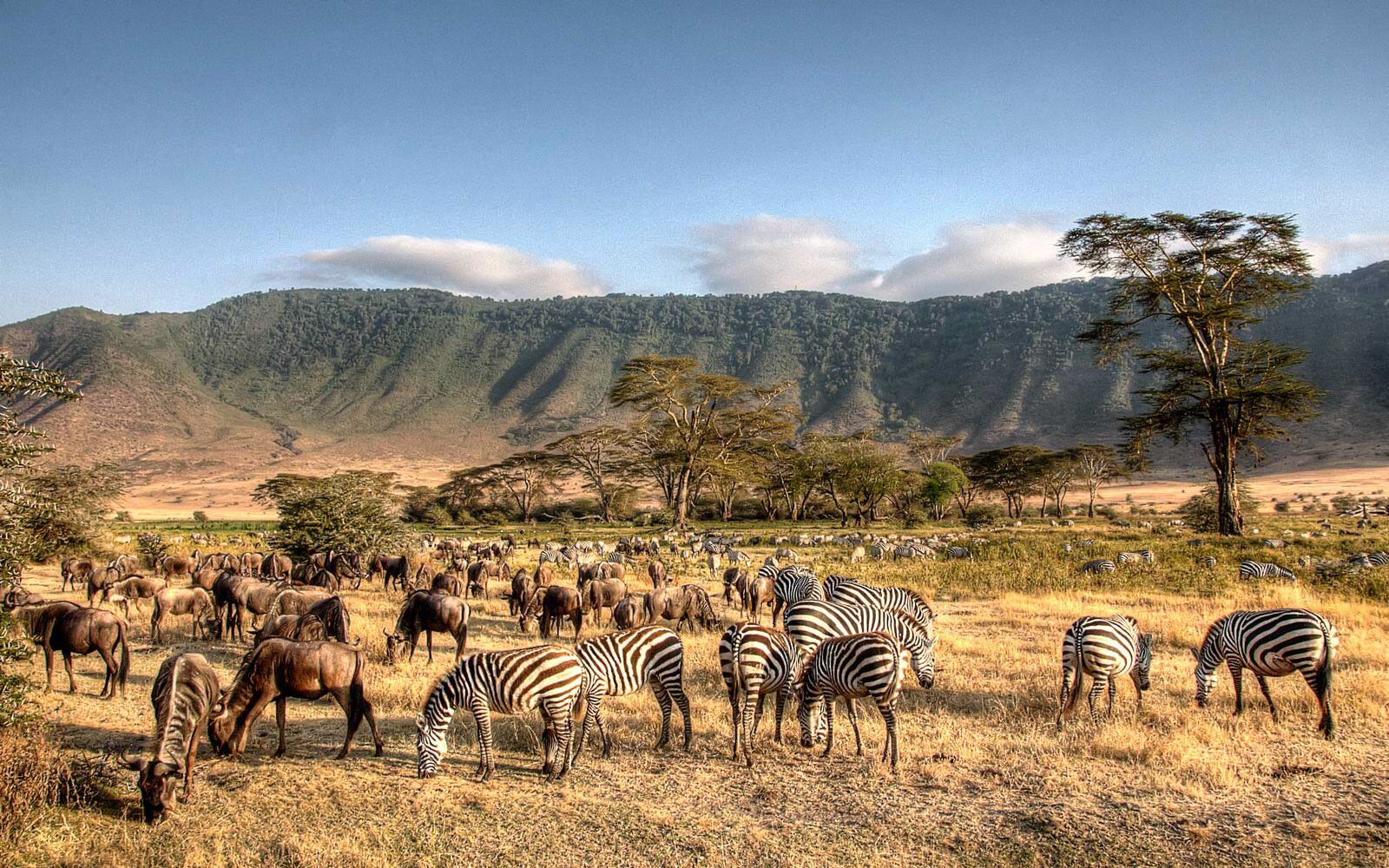
Arusha, Serengeti, Ngorongoro
Altitude plays a major role here. Arusha (at 1,400m) and the Ngorongoro Crater Rim (at 2,300m) can be very cold, especially at night. In July, temperatures on the Crater rim can drop to nearly freezing (0-5°C / 32-41°F). Pack layers!
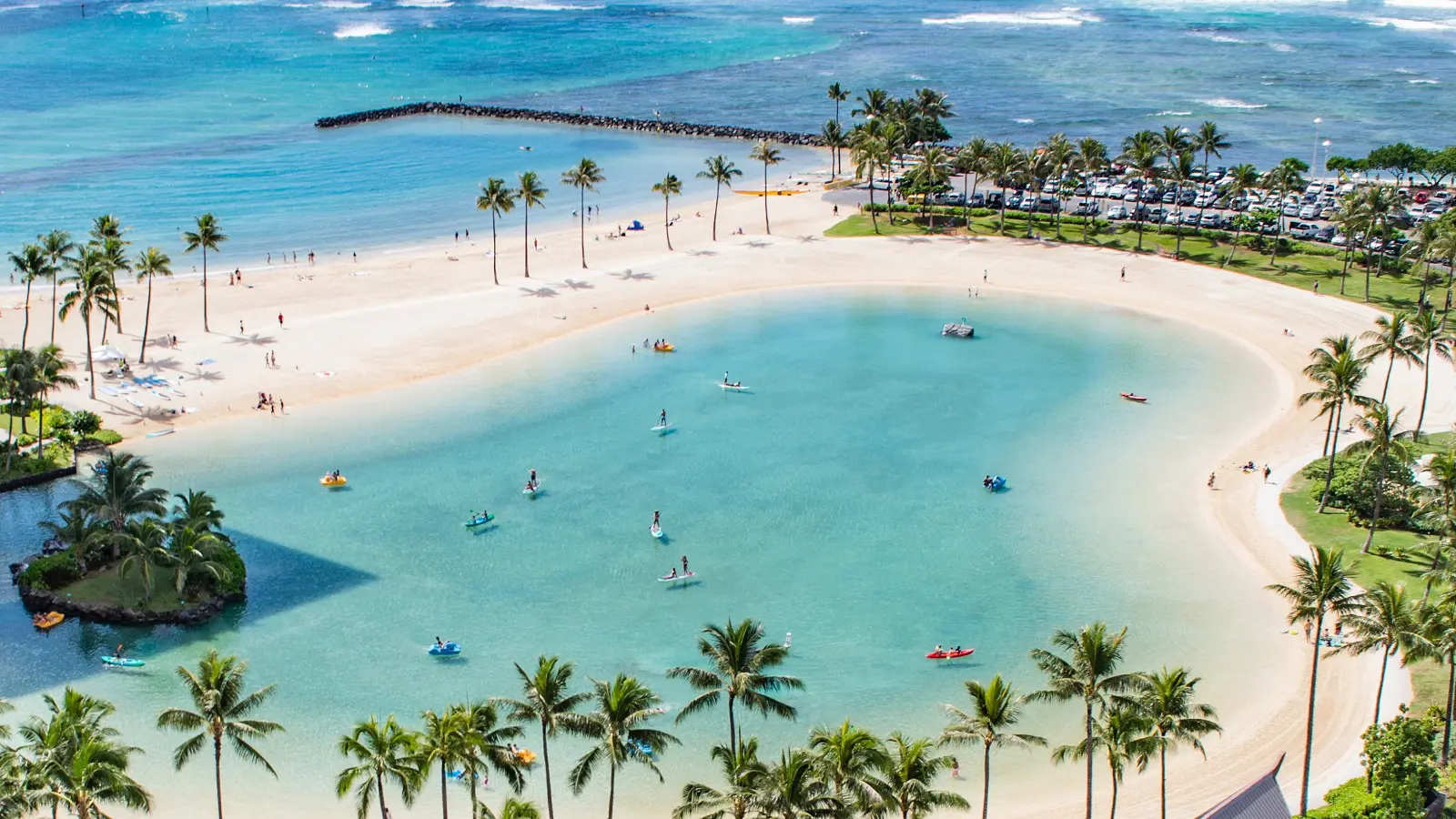
Zanzibar, Mafia, Dar es Salaam
The coast is hot and humid year-round, with sea breezes providing relief. The average temperature is 30°C (86°F). The "short rains" in November are more noticeable here than in the parks, often bringing dramatic but beautiful tropical storms.
3. Weather at High Altitudes (Kilimanjaro)
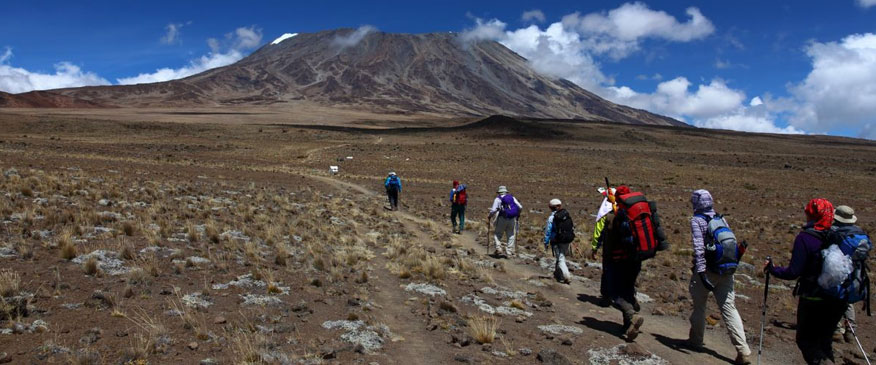
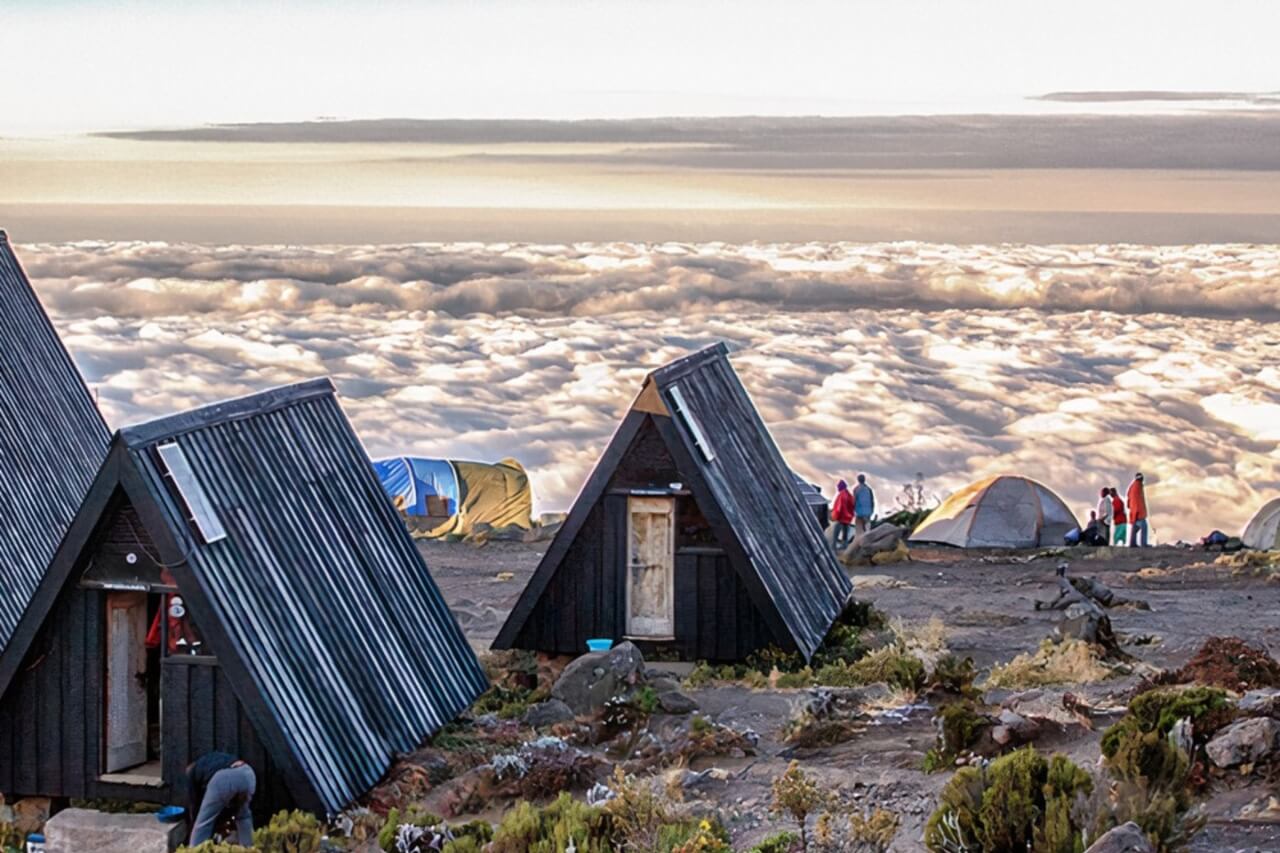
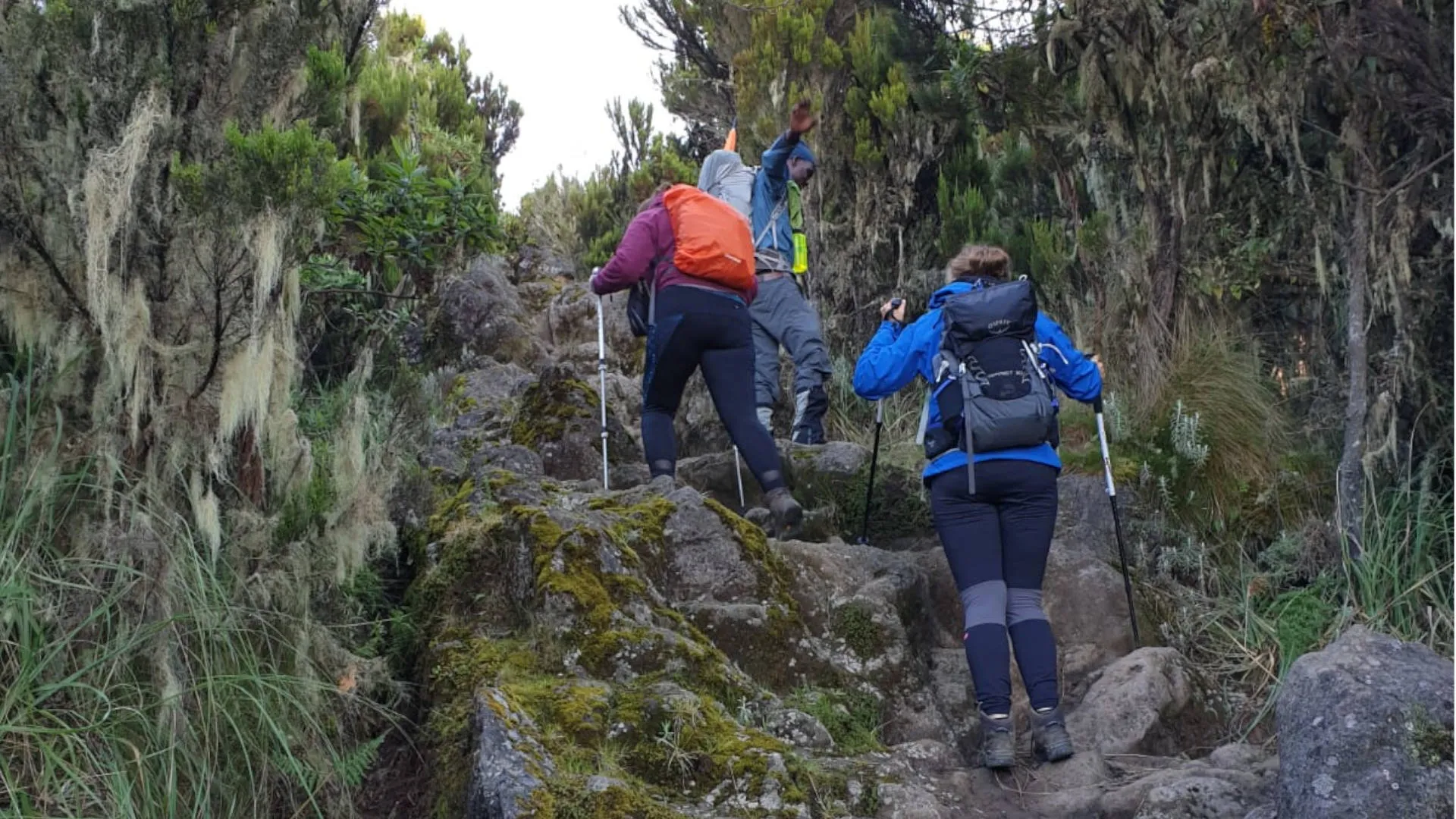
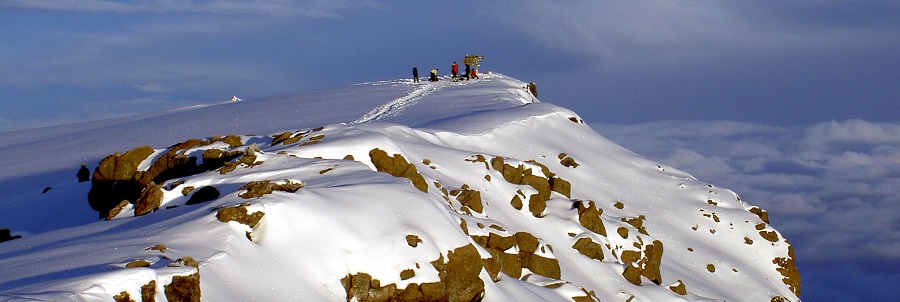
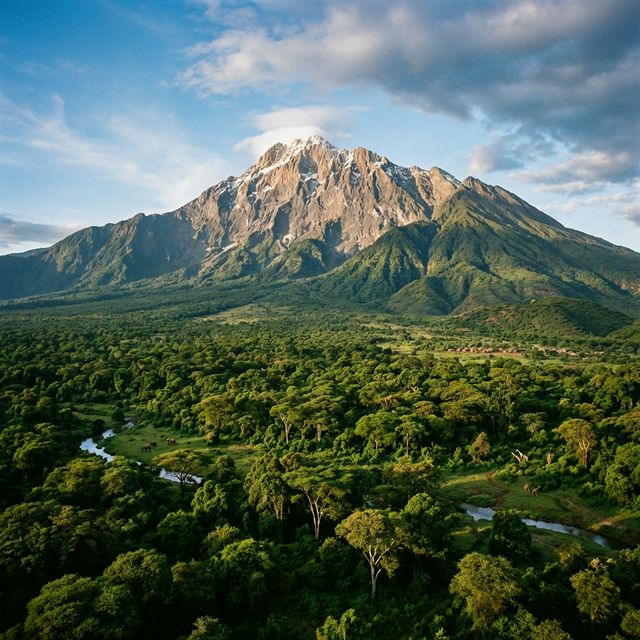
Climbing Mount Kilimanjaro takes you through five distinct climate zones—from tropical rainforest to arctic desert. Temperatures at the summit at dawn can plummet to -20°C (-4°F). Preparation for all conditions is mandatory for any trekking expedition.
4. Packing Tips for the Weather
| Season | Key Items to Pack |
|---|---|
| Dry Season | Light cotton clothing, warm fleece for evenings, wide-brimmed hat. |
| Rainy Season | Waterproof jacket, moisture-wicking layers, durable boots. |
| All Seasons | High-SPF sunscreen, polarized sunglasses, neutral-colored safari wear. |
Ready for more technical details on staying healthy during these seasons? Move on to our Health & Yellow Fever Guide.
Want a Personalized Packing List?
Every trip is different. Tell us your travel dates and we'll send you a customized list based on the predicted weather.
CONTACT OUR TEAM