
 chipmunkexpeditions@gmail.com
 +255 628 030 877


Your Health is Our Priority: Navigating the Tanzanian Wilderness
Embarking on a Tanzanian safari or a Kilimanjaro trek is an exhilarating life event, but its success is fundamentally rooted in your physical well-being. Tanzania offers a pristine environment, but the shift in ecological zones, altitudes, and diet requires proactive preparation. This guide is designed to be your medical orientation, providing the latest insights into vaccinations, disease prevention, and environmental health.
At Chipmunk Expeditions, we take a holistic view of traveler health. We don't just want you to meet the entry requirements; we want you to have the energy and vitality to enjoy every sunrise over the Serengeti.
While many countries no longer require Yellow Fever for general entry, Tanzania remains vigilant. Immigration officers at Kilimanjaro International Airport (JRO), Julius Nyerere International (DAR), and Zanzibar Airport frequently request your "Yellow Book." Failure to provide proof when required can lead to a $50 fine and a mandatory vaccination on-site—an experience we strongly advise against.
1. Yellow Fever: Requirements vs. Recommendations
The "Yellow Fever question" is the most common cause of confusion for travelers. The Tanzanian Ministry of Health follows World Health Organization (WHO) guidelines, but applies them strictly to prevent the introduction of the virus into the local population.
A. The "12-Hour Transit" Rule
If you are flying from a non-risk country (like the UK, USA, or most of Europe) but have a layover in a risk country (like Ethiopia, Kenya, or Rwanda), the certificate is mandatory ONLY if your layover exceeds 12 hours. However, in practice, some immigration officers may still ask for it if you arrived on a flight originating from these zones. Our advice: If you are transiting through Addis Ababa or Nairobi, get the shot for peace of mind.
B. Zanzibar Specifics
Zanzibar is a semi-autonomous region of Tanzania and has its own health ministry. They are even more stringent than the mainland. If you are taking the ferry or a local flight from Dar es Salaam to Zanzibar, keep your certificate handy; it is often checked at the Zanzibar port of entry.
| Origin / Transit | Certificate Required? | Medical Exception Allowed? |
|---|---|---|
| USA / Europe / Canada (Direct) | No | N/A |
| Transit in Kenya (< 12 hrs) | Optional but Recommended | Yes (With official letter) |
| Transit in Ethiopia (> 12 hrs) | Yes (Mandatory) | Yes (With official letter) |
| Any stay in a "Red" WHO zone | Yes (Mandatory) | Yes (With official letter) |
2. Malaria Prophylaxis: Making the Right Choice
Tanzania is a high-risk malaria zone, particularly in the lower altitudes of the Serengeti, Selous, and Zanzibar. While the urban centers of Arusha are at a lower risk due to altitude (1,400m), you should consider yourself at risk throughout your journey.
Malarone (Atovaquone/Proguanil)
The "gold standard" for most safari travelers. It is highly effective and has very few side effects for the majority of users. You begin taking it 1-2 days before entry and continue for 7 days after leaving.
Lariam (Mefloquine)
A weekly pill that is cost-effective for long-term travelers. However, it is known for causing vivid dreams and, in rare cases, neuropsychiatric side effects. It is generally avoided by Kilimanjaro trekkers due to confusion with altitude symptoms.
3. Other Recommended Vaccinations
Beyond Yellow Fever, your travel clinic will likely suggest several "safari staples." We recommend visiting your doctor at least 8 weeks before departure.
- Hepatitis A & B: Highly recommended due to the potential for foodborne and waterborne transmission.
- Typhoid: Essential for anyone planning to visit local markets or eat in Stone Town.
- Tetanus, Diphtheria, & Polio: Ensure your boosters are up to date.
- Rabies: We generally only recommend this for travelers spending significant time in rural villages or those working with wildlife. Africa is a rabies-endemic zone, and post-exposure treatment can be difficult to find in the bush.
4. Tsetse Flies and Sleeping Sickness
In specific areas like Tarangire National Park and parts of the Serengeti, you will encounter Tsetse flies. They have a painful bite and can, in extremely rare cases, transmit Sleeping Sickness.
- Avoid Dark Blue & Black: These colors are like magnets for Tsetse flies. We recommend light tan or khaki instead.
- Use Permethrin: Regular DEET is often ineffective against Tsetse flies. Treating your clothing with permethrin before you leave home is the most effective defense.
- Natural Repellents: Some travelers find that "Skin So Soft" or citronella oils work better against these flies than high-concentration DEET.
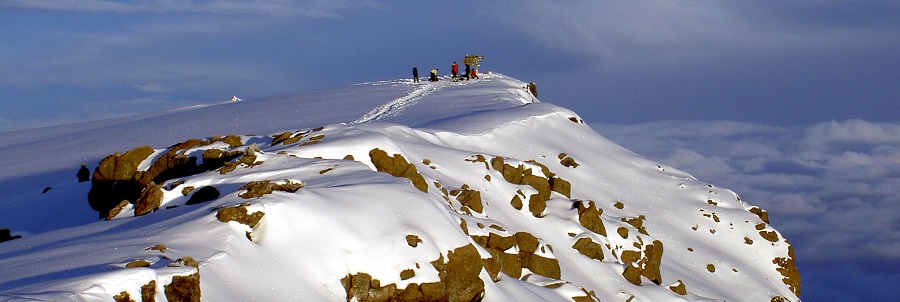
5. High-Altitude Health: The Kilimanjaro Deep Dive
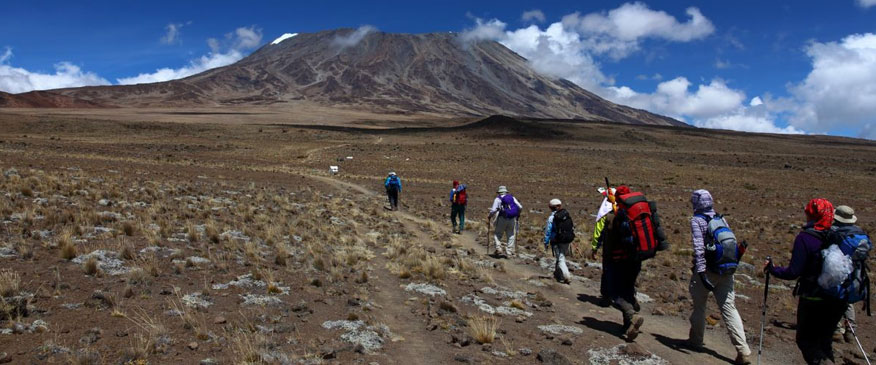
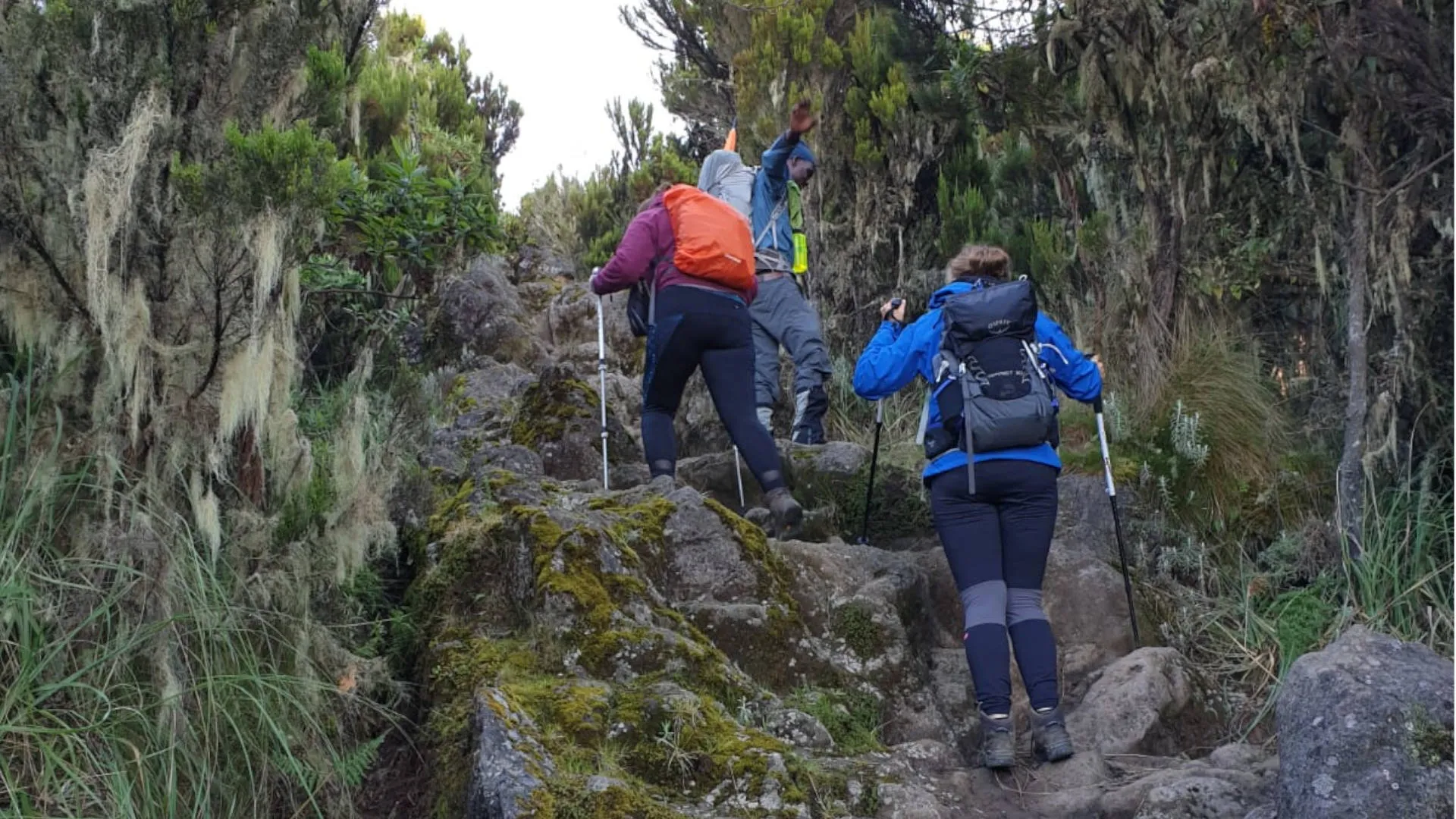
If you are joining our Kilimanjaro expeditions, your greatest health challenge is the altitude.
The Golden Rule: Pole Pole
Walking slowly allows your body to produce the extra red blood cells needed to carry oxygen. We monitor our guests twice daily using pulse oximeters and Lake Louise AMS scoring charts.
Acetazolamide (Diamox)
Many of our successful summits are achieved with the help of Diamox. It helps your body acidify the blood, triggering faster breathing and better oxygenation. Discuss this with your doctor; it is a sulfonamide derivative, so those with sulfa allergies must avoid it.
6. Traveling with Medication
Tanzania has strict Narcotic and Psychotropic substances laws.
- Original Packaging: Never travel with loose pills. Keep all medications in their original pharmacy packaging with your name clearly visible.
- The Doctor's Letter: If you carry strong painkillers, insulin, or psychiatric medication, you MUST have a signed letter from your doctor explaining the prescription.
- Cold Chain: If you require refrigerated medication (like insulin), we can provide a cooling box in our safari vehicles, but you must bring your own specialized "cool bag" for fly-in legs of the trip.
HYDRATION FIRST
The combination of heat and altitude can lead to dehydration-induced headaches that are often mistaken for malaria or AMS. Drink 3-4 liters of water daily.
SUN PROTECTION
The sun near the equator is incredibly powerful. Use high-SPF, reef-safe sunscreen, and wear a hat even when seated inside the safari vehicle.
Your Health Journey Starts Today
Questions about a specific medical condition? Our lead guides are certified Wilderness First Responders (WFR) and are happy to chat about your needs.
Health Questions?
While we aren't doctors, we can provide you with a list of the latest requirements and a packing list of first-aid essentials.
CONTACT AN ADVISOR